Why your biosensor line is probably wasting time (and how to fix it)
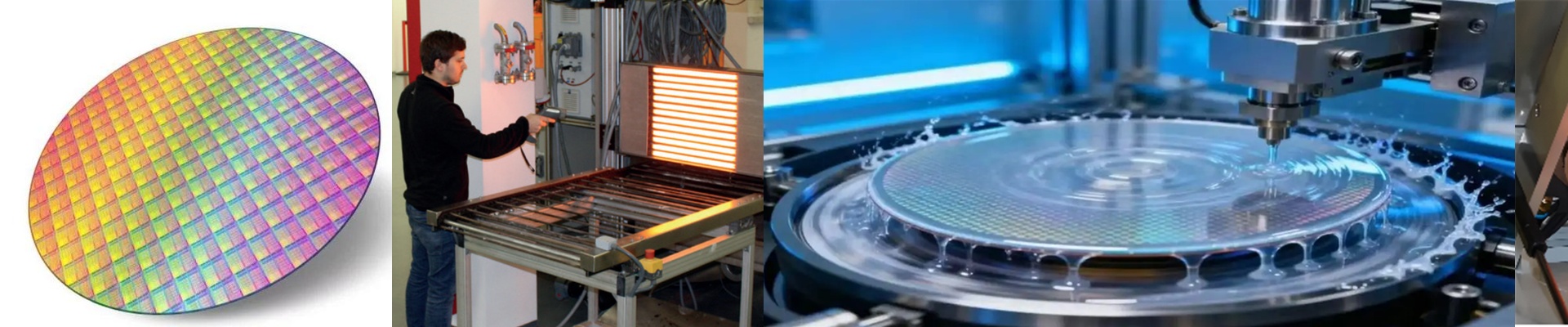
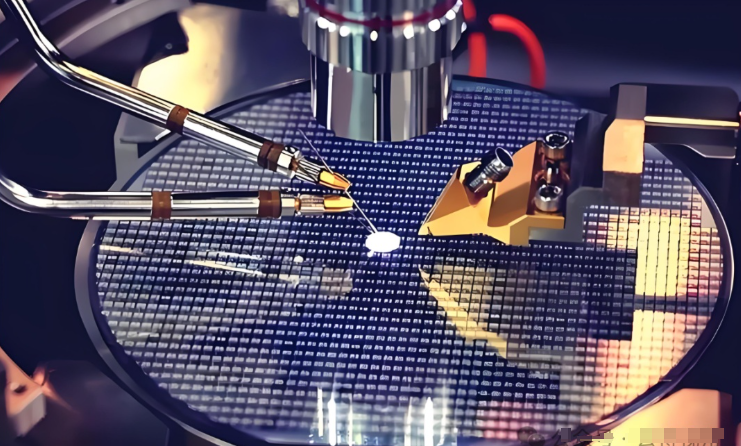
If you’ve spent any time in a biosensor fab, you know the drill. You’re waiting on thermal curing or degassing, and you’re probably using a standard hot air system. We see it all the time. Here’s the problem: air is just bad at moving heat. You end up sitting around, waiting for the heat to slowly soak through your substrate. It’s frustrating and, frankly, a waste of time. The real cost of waiting Hot air systems try to heat the surface and then hope the energy drifts inward. It creates this annoying lag. Infrared (IR) lamps do things differently. They don’t bother with the air. They send electromagnetic radiation straight into the material. When you’re deep in semiconductor processing, this is a massive win. Your ramp-up time goes from minutes to seconds. You stop wasting energy heating up the entire volume of a giant oven and just heat the part you actually care about. Your “time cost” per wafer just plummeted. How it actually works We lean on short-wave IR emitters for this. These lamps hit a very specific spectral band—basically the “sweet spot” that common biosensor polymers and adhesives love to absorb. It gives you a ton of heat density in a tiny footprint. Plus, you can do “zone heating.” You can blast a specific spot on the line without accidentally cooking the rest of your assembly. The “catch” (because there’s always one) Now, IR isn’t a magic wand. You have to be careful. High-intensity lamps put out a lot of heat in one spot. If your substrate is too thin or the material is uneven, you’re going to get hot spots. Or worse, your part will warp. You’ve got to get your PID controllers and distance sensors dialed in perfectly to keep that temperature window tight. And a word of advice from the trenches: don’t just wire up a high-wattage IR array and call it a day. If you don’t have proper heat sinking for the lamp ends, you’ll fry your sockets. Make sure your cooling fans are sized for the actual radiant load, not just the air temperature in the room.