

Introduction
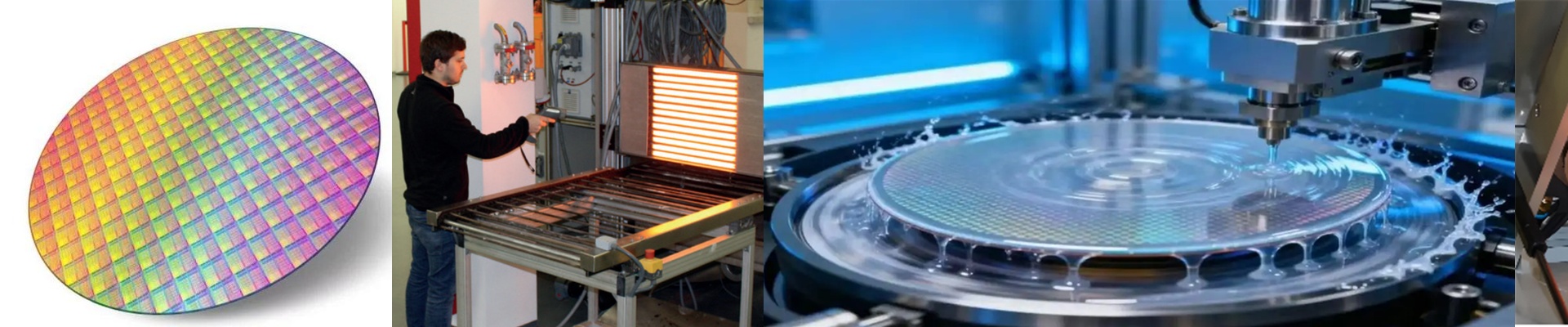
Here’s the thing: we built these industrial infrared heating systems to solve one very specific, very frustrating problem. We wanted to heat what you actually need to heat, and leave the air alone. Think about your floor heating or a busy production line. With old-school convection heat, you’re basically just drying out the air. That leads to warping, materials falling apart, or that sticky, uncomfortable humidity spike. Not ideal. Our halogen infrared heaters cut right to the chase. They send radiant energy directly to the object, completely bypassing the air. The result? Stable humidity and heat that hits exactly where you want it, when you want it.
The Power Behind the Heat
We designed these halogen infrared tubes to be seriously powerful, but in a surprisingly small package. A typical unit runs at 2500W, powered by a 400V input. That high-voltage, high-wattage combo isn’t an accident. It lets us pack a ton of heat into a tube that’s just 300mm long. So you get lightning-fast heat-up and a super focused heat zone. And because it’s so compact, it slips into tight spots without forcing you to redesign your whole setup. But here’s the catch: that kind of power density means you have to make sure your surrounding equipment and electrical supply can handle the load. Proper mounting clearance and keeping things cool are absolutely essential.
The Inside Story: Quartz, Halogen, and a Simple Connection
Inside, we use a quartz tube filled with halogen gas. This is what keeps the filament stable, even when things get scorching hot, which in turn means a much longer life for the tube. The halogen cycle also stops the tube from blackening over time, so the heat output stays consistent. The quartz itself is tough—it handles sudden temperature changes and lets the infrared energy pass through cleanly. For the installation, we use an R7s connector. It’s a standard double-ended base in industrial heating, which makes swapping one in a no-brainer. It’s built to handle the high temperatures at the ends and gives you a solid electrical connection. It just makes the wiring simpler and keeps the heat from building up at the terminals.
The Payoff: Heat That Doesn’t Make a Mess
Whether you’re heating a floor or running a production process, the real win is control. Infrared energy just flies through the air, hits the target, and turns into heat on impact. The air barely absorbs any of it. So you’re not evaporating moisture, you’re not warping sensitive materials, and you’re not fighting humidity-related issues. For engineers, that means heating curves you can actually count on, less wasted energy, and fewer headaches trying to compensate for the environment. We build these tubes to take a beating on the plant floor. Just remember, that intense heat density means you have to plan the mounting and cooling carefully. Treat the surroundings as part of the system, and you get performance that’s reliable and keeps humidity right where you want it.