

Introduction
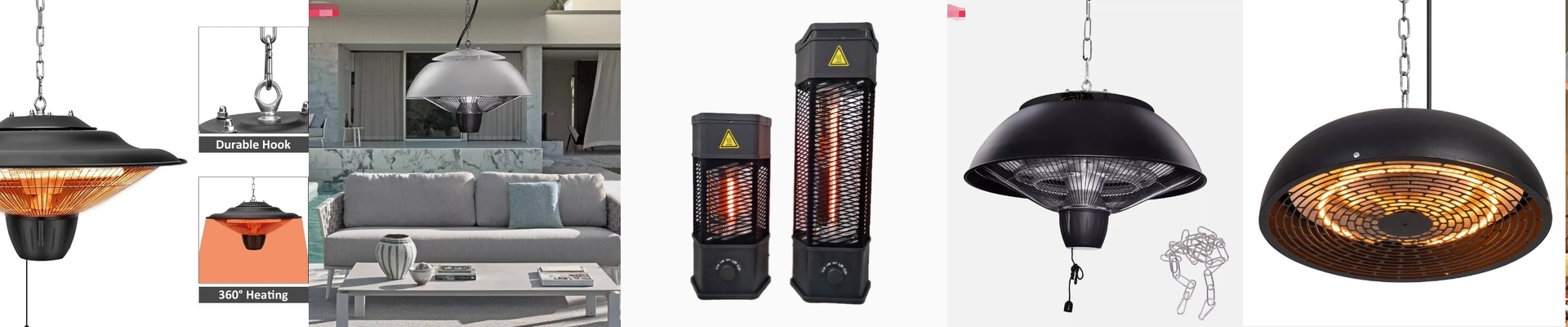
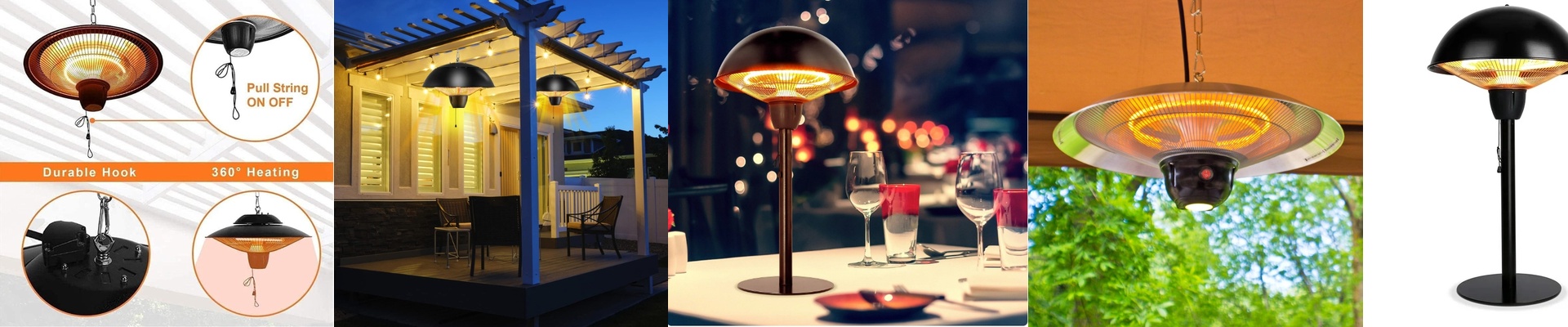
We built this outdoor radiant heater for one reason: to cut through the cold. It’s not just another box that blows hot air around. It’s a straight-up heat tool, designed to deliver infrared warmth exactly where forced-air systems just can’t reach. The whole point is simple. Put the heat right where you need it—on people, on surfaces—without wasting energy heating the empty air above them.
The Inside Story
At the heart of this unit is a high-intensity infrared lamp, built tough for life outdoors. We set it up to run on 400V. That’s because industrial power is often higher voltage, which means less current on the wiring. Less current keeps voltage drop in check over longer runs, and keeps your copper costs down. The tube is 300mm long, and that’s not by accident. It gives you a tight, focused beam. You get heat concentrated in a specific zone—perfect for a patio, a loading dock, or a workstation—without blasting warmth way past your target.
Built to Last
We chose a halogen-filled quartz tube because it can handle rapid temperature swings and run at high filament temps without breaking. The halogen cycle does a clever trick: it redeposits evaporated filament material back onto the filament. That keeps the tube clean, prevents blackening, and extends the life so the output stays strong. For the connections, we went with an R7s connector. It’s practical and reliable—two solid end-cap connections that are easy to wire, and they hold up when things vibrate or heat up and cool down over and over. The coating on the tube is carefully chosen to shape the infrared spectrum, so you get steady, consistent radiant heat.
Where It Shines
On the shop floor, this setup is all about heat density and reliability. The 400V, 2500W rating packs a lot of warmth into a compact tube, so you can mount it close to where you need it without needing a giant enclosure. Installation is straightforward. Wire it through the R7s terminals, point the beam where you want it, and you’ve got infrared heat right away. That said, with this much power, you need to respect the heat. Make sure the mounting area and nearby equipment have enough clearance and ventilation to handle the ambient warmth. For engineers, it’s a drop-in component that turns electricity into radiant heat with almost no moving parts. It keeps operators warm in open-air spots, makes the workday more comfortable, and helps prevent cold from slowing things down—all while keeping the energy focused where it matters.