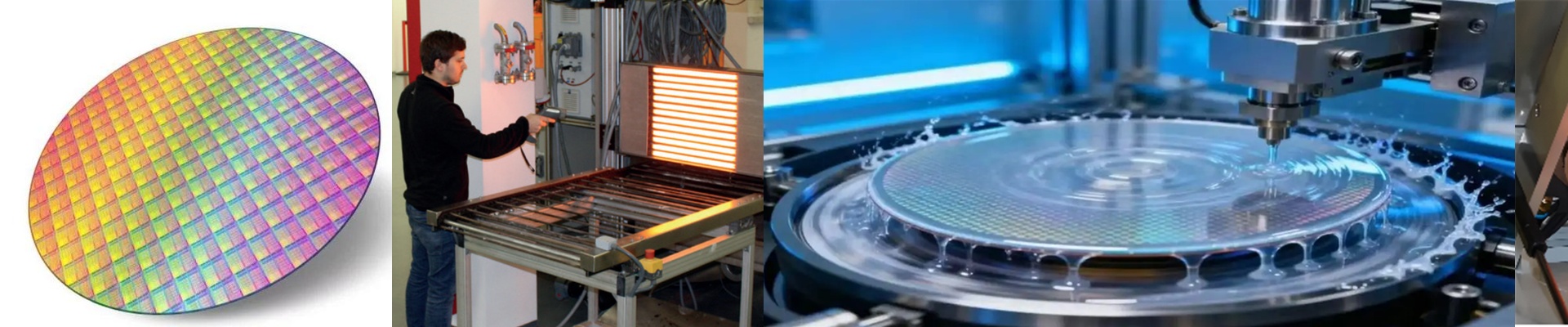

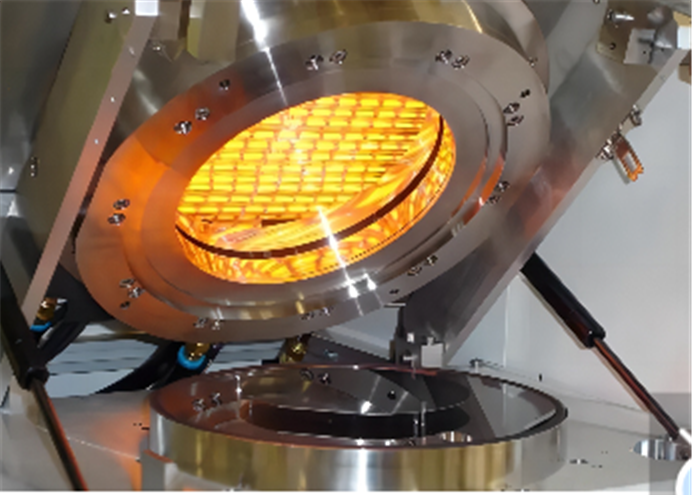
On the fab floor, a 0.5°C drift during the photoresist bake isn’t just a CD shift. It’s a lot on the line. Wafer tools run 7×24, and thermal instability compounds fast, eating thermal budget and forcing rework. You need a temperature sensor where repeatability is a spec, not a talking point. What matters, technically We built this sensor for wafer tools around wafer-level thermal uniformity of ±0.1°C, so every soft bake and hard bake hits the same thermal profile, lot after lot. It fits cleanroom classes 1–100 and generates zero particles, so you don’t chase yield hits from contamination. It runs continuously with no unplanned downtime, and the service life is long enough that replacements stay predictable. The payoff is a steady process window and lithography performance you can count on. Why it sticks in practice In photoresist processing, bake temperature is what controls solvent removal and polymer crosslinking. Tighter control gives you a tighter CD distribution and fewer excursions. With this sensor, recipe qualification moves faster, post-maintenance re-quals drop, and thermal behavior stays consistent across tools. Energy use falls because the control loop isn’t hunting drift, and maintenance stays on schedule instead of turning reactive. What you need to plan for Installation tolerances are tight: align the sensor to the specified thermal mass and position to hit ±0.1°C uniformity. Block out time for full tool integration—usually a short qualification run—to lock down control limits and verify cleanroom particle performance. Once calibrated, keep it running. Stopping and restarting introduces transient behavior that can mask real process drift.