
How It Actually Works
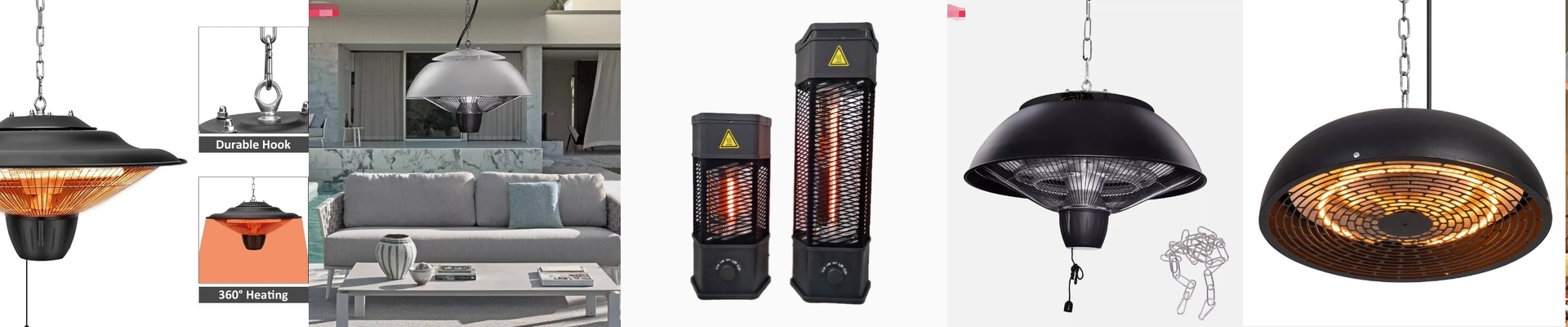
We built these halogen infrared heaters to do one thing really well: get deep, targeted warmth right where you need it—in the muscle. Here’s how it happens. A high-wattage halogen element heats up a quartz tube, and that tube radiates shortwave infrared energy. That energy slips past the skin and the layer just beneath, then goes straight to the muscle tissue. Forget those convection heaters that just warm the air. This is different. This puts the heat in the muscle fibers, where it does the most good. And the timer? It lets you set exact windows, so you don’t overdo it. Athletes get the same repeatable treatment, every time.
Power and Control, Without the Fluff
These units are built to run strong. We’re talking 2500W to 3000W, on a 220V–240V circuit. That kind of power is what creates the deep, intense warmth you feel. The timer isn’t just a nice-to-have. It’s part of the control. Set your cycle, and you get consistent energy delivered for exactly the time you need. In clinics and training rooms, that kind of repeatability matters—dosage needs to be precise. Just keep one thing in mind: with this kind of wattage, you’ll want a dedicated circuit. Plan your electrical load before you plug in.
The Heart of the Design: The Halogen Core
At the center of it all is the halogen-filled quartz tube. The halogen cycle keeps the filament clean, so the lamp stays bright and thermally steady over its life. No blackening. No drop-off in efficiency. The quartz envelope handles the extreme heat and heats up fast. And we use an R7s base for a secure, two-point connection. It’s a standard, tough industrial connector that holds steady—even when things are vibrating, like on training room floors or treatment tables.
What It Feels Like in Real Use
When you use it, you feel the difference. The warmth sinks in, muscles loosen, and recovery speeds up. The infrared energy boosts local blood flow, which helps clear out metabolic waste and brings fresh oxygen and nutrients to tired tissue. For athletes, that means bouncing back faster after training and dealing with less soreness. And because the timer can automate sessions, trainers can focus on other tasks instead of constantly checking the clock. There’s a practical trade-off, though. You need proper shielding and positioning. The heat is intense, so you have to point the unit safely to avoid overexposing the skin. This isn’t a passive warm-up. It’s direct, physical work—heat delivered exactly where it counts.