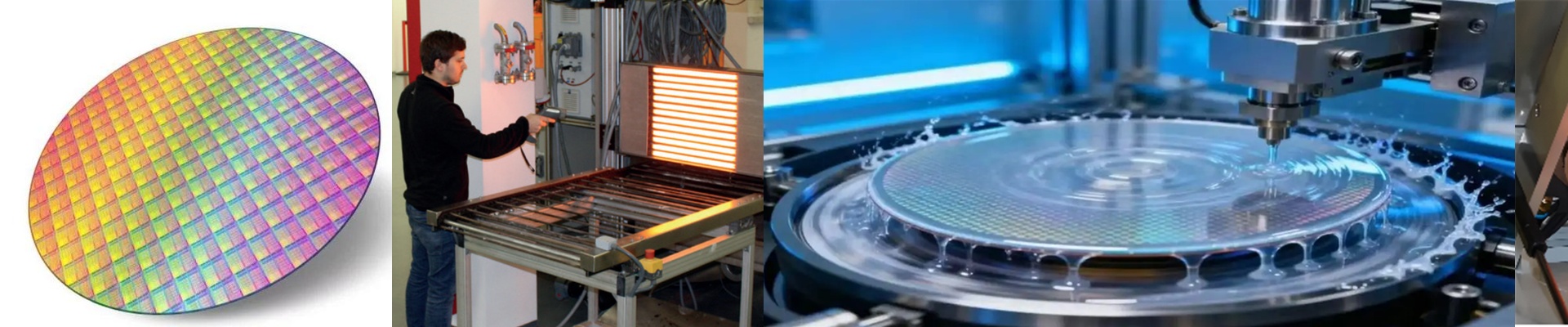


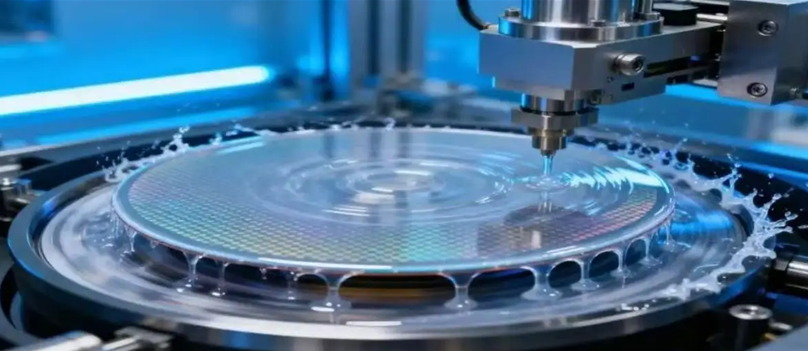
Out on the fab floor, that thin battery separator film isn’t a throwaway layer—it’s part of the stack, and it has to behave consistently through every bake. If your thermal profile drifts even a little, the film can trap solvent, blister, or shrink unevenly. Overlay budget? Gone. You need a dryer that treats the film like a process-critical layer, not just another consumable. What actually matters under the hood We built the dryer around fast, even heating with short-wave infrared and tight spectral control. Across the active zone, you hold wafer-level uniformity at ±0.1°C, and photoresist bake profiles repeat within a tight band—because repeatability is what keeps critical dimensions stable. The system is cleanroom compatible from Class 1 to Class 100, and the hot zone is designed to generate zero particles, verified with in-situ particle monitoring. Reliability here isn’t a slogan; it’s a design target. These units run 24/7 with zero unplanned downtime, and the lamp module holds output over 5,000+ hours with less than 5% drop. Why this fits battery separator film processing The dryer sits upstream of lithography and the photoresist work. It pulls out residual moisture and solvents fast—without thermal shock—so the film hits the coat/bake sequence flat and dry. The payoff is fewer reworks, lower scrap, and line-of-sight yield that stays steady. Energy use is under control too. The heater architecture heats on demand and holds temperature without overshoot, so you end up with lower kWh per batch. The practical setup details The dryer integrates cleanly into existing fab tool lanes, but it needs a dedicated power feed and verified exhaust routing to keep temperature stable and exhaust conductivity where it should be. Plan a short commissioning window to lock in the bake recipe and confirm the cleanroom particle profile meets your baseline.