
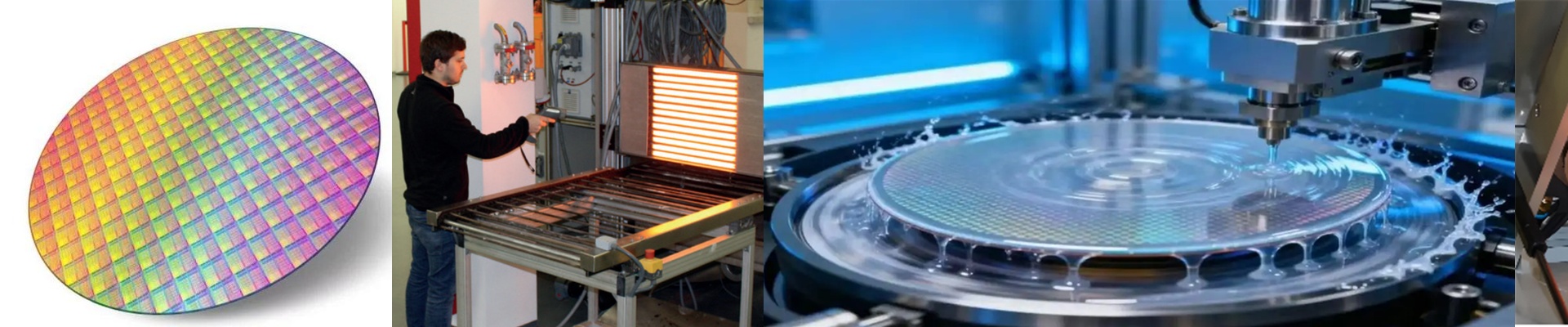
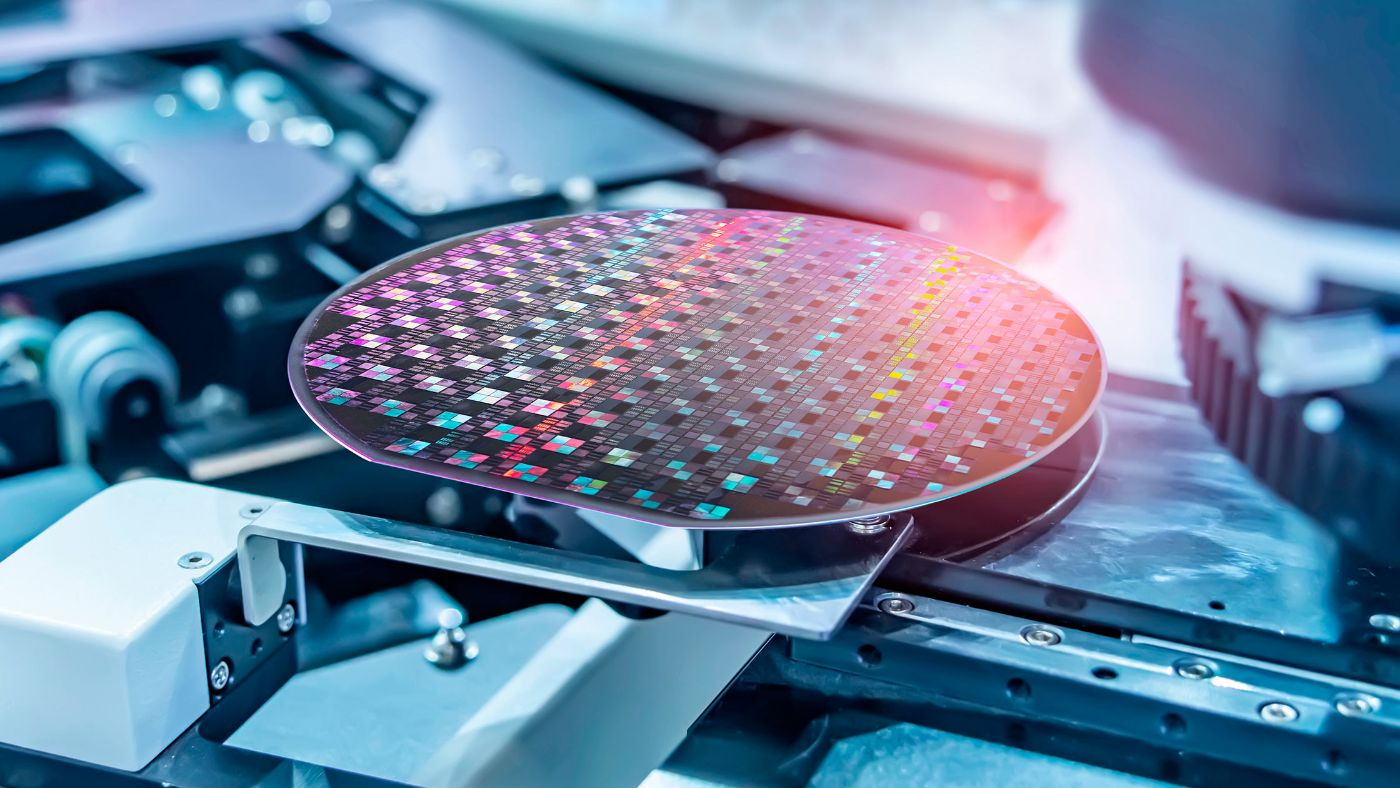
On the fab floor, a 0.5°C drift in bake temperature will shift a photoresist profile by nanometers — and nanometers write the yield ticket. In lithography and photoresist processing, the thermal budget isn’t a guideline; it is the process. We build industrial heaters for wafer fabs worldwide, engineered to hold that budget steady, shift after shift. What matters, technically Our heaters hold wafer-level thermal uniformity within ±0.1°C across the bake plate, so your soft bake and hard bake profiles stay repeatable lot after lot. Quartz elements, with short-wave and medium-wave options, give you fast, clean ramps and tight control on overshoot. Cleanroom Class 1–100 compatibility is baked into the design: low-outgassing materials and a mechanical layout that doesn’t trap particles keep particle counts flat through thermal cycles. Zero particle generation isn’t a slogan — it’s a requirement, verified against in-line metrology. Why it holds up in production You run 24/7, and unplanned downtime translates straight into scrapped wafers and lost capacity. These heaters are built for continuous operation, with predictable maintenance intervals and stable output after 5,000+ hours. We keep energy use sensible without trading away setpoint accuracy, so the unit fits both new lines and retrofits. The payoff is consistent critical dimension control, fewer rework lots, and a thermal process you can count on when the line is live. The practical details Integration here isn’t plug-and-play. Matching the heater to your tool controller means getting the voltage, connector type, shielding, and interlocks right. We provide dimensional drawings and control interface notes up front, but thermal coupling to the plate and cleanroom airflow paths still need to be verified on-site. Plan a short commissioning window to tune ramp rates and confirm uniformity maps. That’s the only way to lock in the repeatability the fab requires.