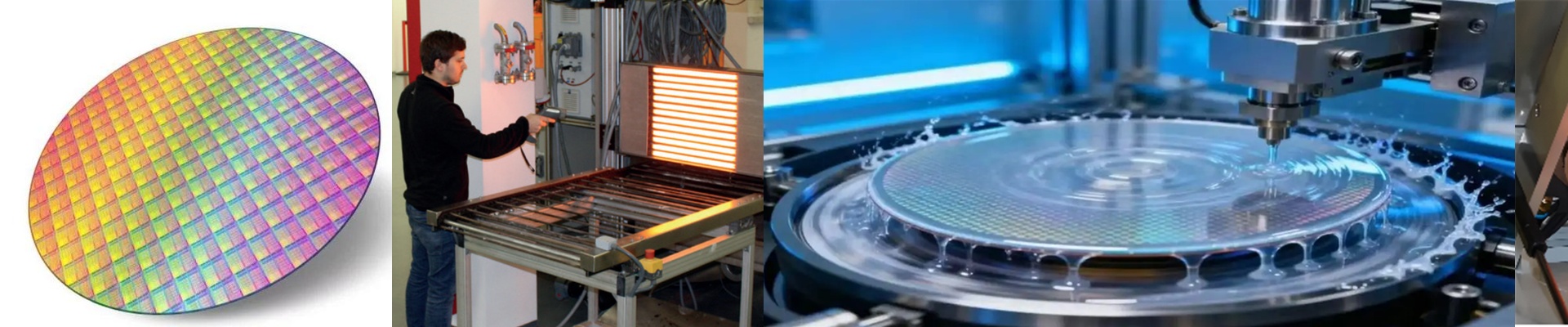

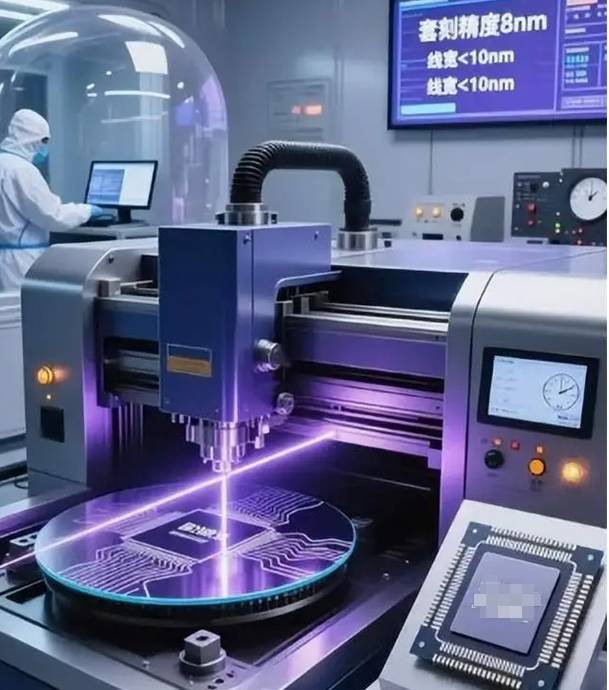
We built this infrared bulb with a gold-coated reflector for one simple reason: to make sure every single watt of electricity turns into usable heat on the target. On the wafer line, there’s no room for heat that wanders off. You need focused, directional power—and that’s exactly what the gold reflector brings to the table. Here’s the guts of it. Inside, you’ve got a high-output halogen element, tucked into a quartz envelope. The shape isn’t random—it’s deliberate. The geometry of the reflector and the length of the tube work together to concentrate the heat where you need it and control the hotspot size. So you hit the process window cleanly, without overshooting. Power, voltage, and size are chosen to pack a lot of heat into a small footprint. High power in a short lamp means you get up to temperature fast, and you can keep thermal control tight. But it also means your machine has to be ready for it—cooling and electrical design need to match the load. If you’re running a high-wattage lamp, plan for the heat that comes off the fixture and make sure the wiring is up to the job. That gold coating? It’s not just for looks. It’s a high-emissivity, IR-optimized finish that bounces most of the lamp’s output back toward the target. That means less stray radiation, better protection for nearby parts, and more energy landing on the wafer. Quartz was the obvious choice because it handles high temperatures and stays clear in the infrared range, so energy gets through efficiently. The halogen fill keeps the filament stable over time, preventing blackening, so the output stays consistent for thousands of hours. And the R7s bi-pin connector is a standard fit in many industrial fixtures—simple to hook up and easy to service in the field. On the wafer line, the gold-reflector infrared bulb gives you heat profiles you can trust and startup behavior that’s repeatable. The response is quick, the output is stable, and the thermal footprint stays clean—even in tight machine bays. More energy goes into the process, less gets wasted into the surroundings. The trade-off is real, though. High power density means you need proper ventilation and thermal isolation in the fixture. Plan your airflow and mounting with that in mind, and you get a lamp that acts like a tool—not a hotspot you’re constantly chasing.