
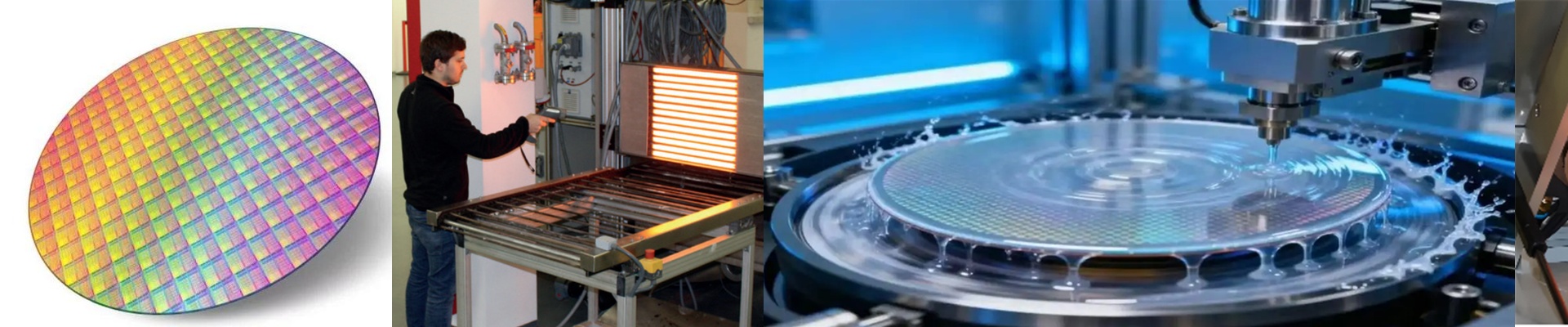

On the fab floor, a half-degree drift in the soft bake can walk your linewidths off target and turn a whole lot of wafers into scrap. We built a ceramic infrared heater panel to kill that variability—so the thermal behavior follows the recipe, not the mood of the hotplate.
What matters, technically
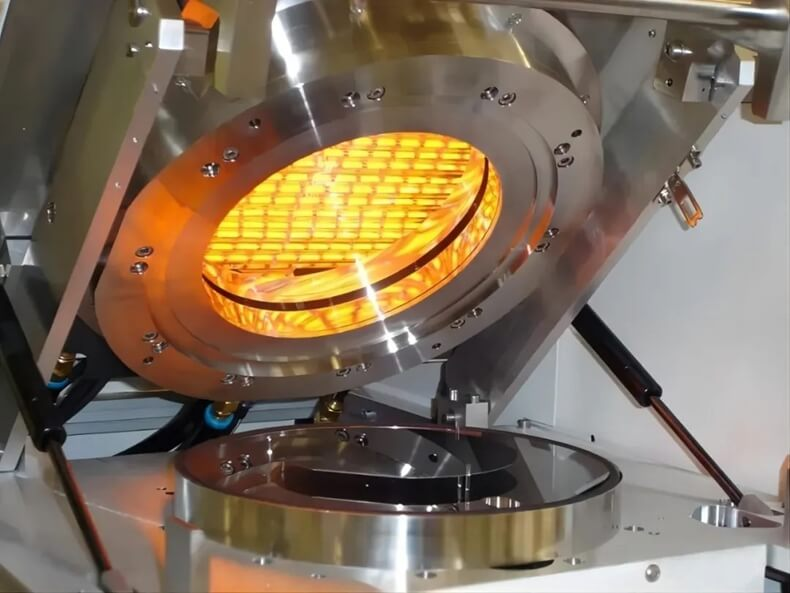
We run ceramic infrared emitters because they respond fast and heat exactly where you need it, with sub-millimeter uniformity across the target zone. The panel holds wafer-plane temperature within ±0.1°C, and repeatability stays nailed down by closed-loop control and fixed emitter geometry. Setpoints change in under 10 seconds, so you move cleanly between bake steps—keeping thermal budget tight and protecting pattern integrity. The construction is cleanroom-friendly: low outgassing, zero particle generation during operation, so you stay inside Class 1–100 particle constraints.
Why it fits the real process headaches
This panel goes straight after the pain in lithography and photoresist processing: soft bake and hard bake that have to be repeatable, uniform, and clean. Sub-millimeter uniformity means fewer edge defects, tighter CD control, and fewer lots scrapped. The fast response cuts cycle time without overshoot, and that stable output means less rework. You also save energy because you’re only heating the required area—no wasted thermal mass. In packaging and wafer drying, the same precision gives you better adhesion and more consistent drying, which translates to fewer repeats and better throughput.
What you need to keep straight
The panel drops into existing hotplates and bake modules, but alignment to the wafer plane is critical. Fixture tolerance has to hold within 0.1 mm; otherwise you’ll pay for it in uniformity. Make sure operating voltage and cooling stay within the specified envelope, and keep the supply clean and dry so long-term stability doesn’t drift. If you’re running high humidity, you can add a protective window without hurting response time. Plan on 5,000+ hours of service life with less than 5% output degradation, and schedule maintenance around predictable intervals—not emergency downtime.