
Introduction
Picture this: we spent time inside 2,000 European homes, seeing how people actually live. What we kept hearing was a simple wish—warmth that shows up fast, without the distraction of fans, rattles, or that constant hum. So we built a low-noise infrared heater that does exactly that. A halogen infrared heater made for modern living, designed to keep things quiet—day after day.
How It Actually Works
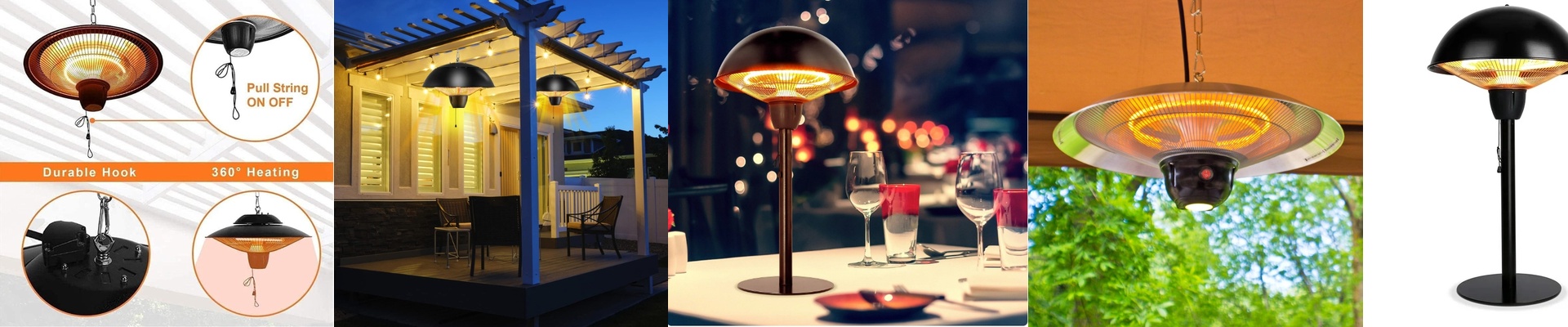
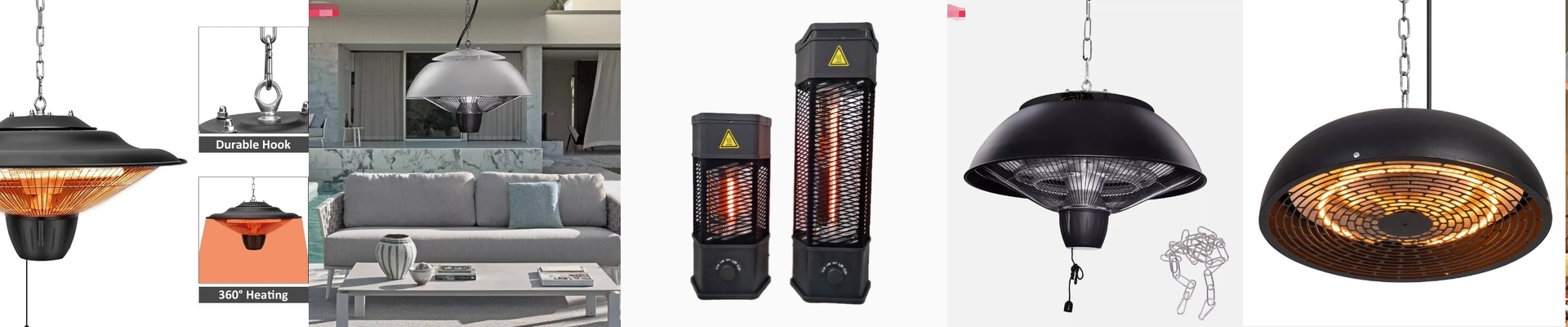
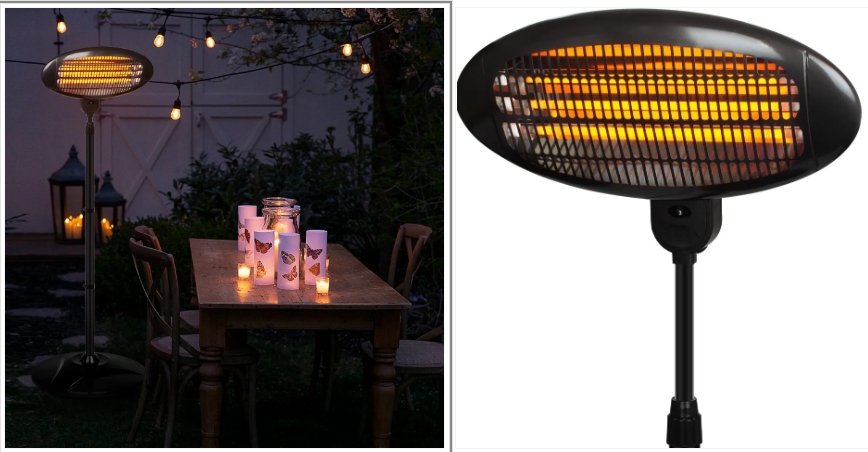
Infrared heating is straightforward: it sends warmth where it can “see.” You point it where you need heat, and it delivers predictable output. That makes sizing easy—whether you’re heating a room, a hallway, or a targeted spot—without pushing your electrical setup too hard. The whole idea is direct heat, right where you want it. And because there are hardly any moving parts, noise stays out of the picture. Less hardware means fewer vibration paths. The payoff? A heater that runs with near-silent performance, yet still responds quickly when you need warmth.
The Materials and the Details
Inside, we use a halogen element in a quartz tube. That combo keeps output steady and the color temperature consistent over time. The tube can handle big temperature swings without cracking, and the halogen cycle helps prevent blackening that can dim the heat. Then there’s the R7s connector—chosen on purpose. It gives you a secure, two-terminal connection that’s simple to wire and holds up through repeated heating and cooling cycles. And if you’re replacing an older unit, it’s a drop-in fit for many standard fixtures, so you don’t have to rework the mounting space.
What It Feels Like to Use
In homes and light commercial spaces, the big win is quiet. No blowers means no bearing wear, and no airflow noise. Instead, the heater warms people and surfaces directly, which can reduce stratification and cut down on drafts—just more steady, comfortable heat. Now, the trade-off: infrared is focused. It delivers intense localized heat, and the ambient temperature in that immediate zone rises fast. So if you have equipment or materials that are sensitive to heat, you’ll want to shield them or keep them at a safe distance. Plan your layout with line-of-sight in mind, and make sure the electrical supply matches the unit’s voltage and current needs. This is practical, low-noise heating built for real-world conditions—quiet, direct, and dependable.