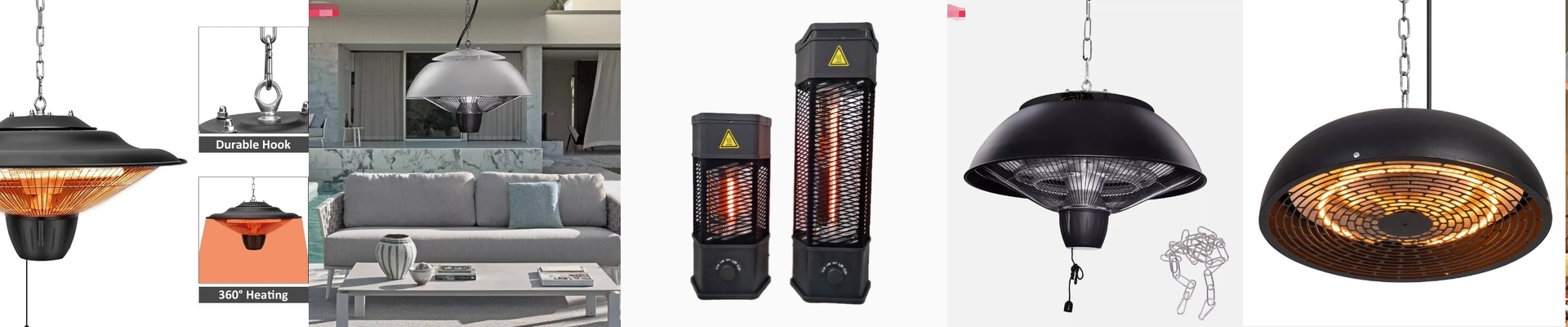
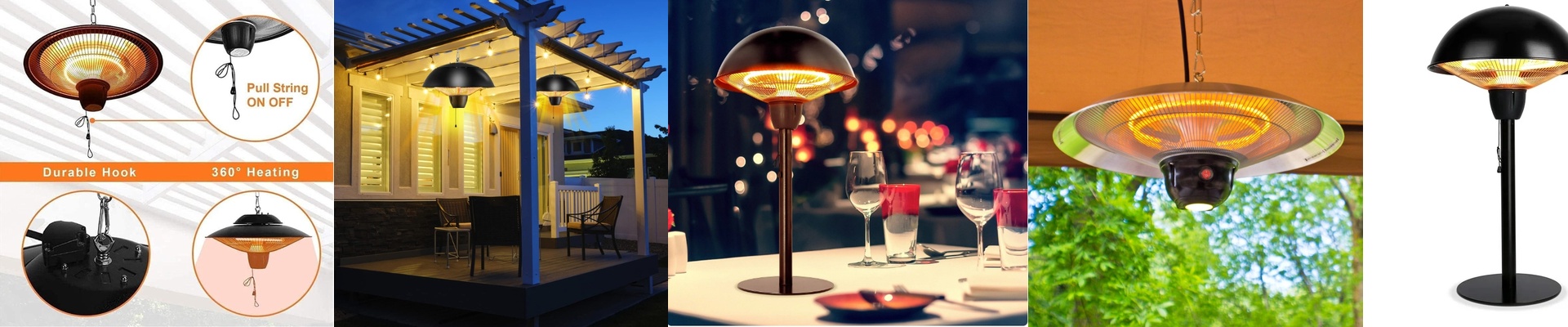

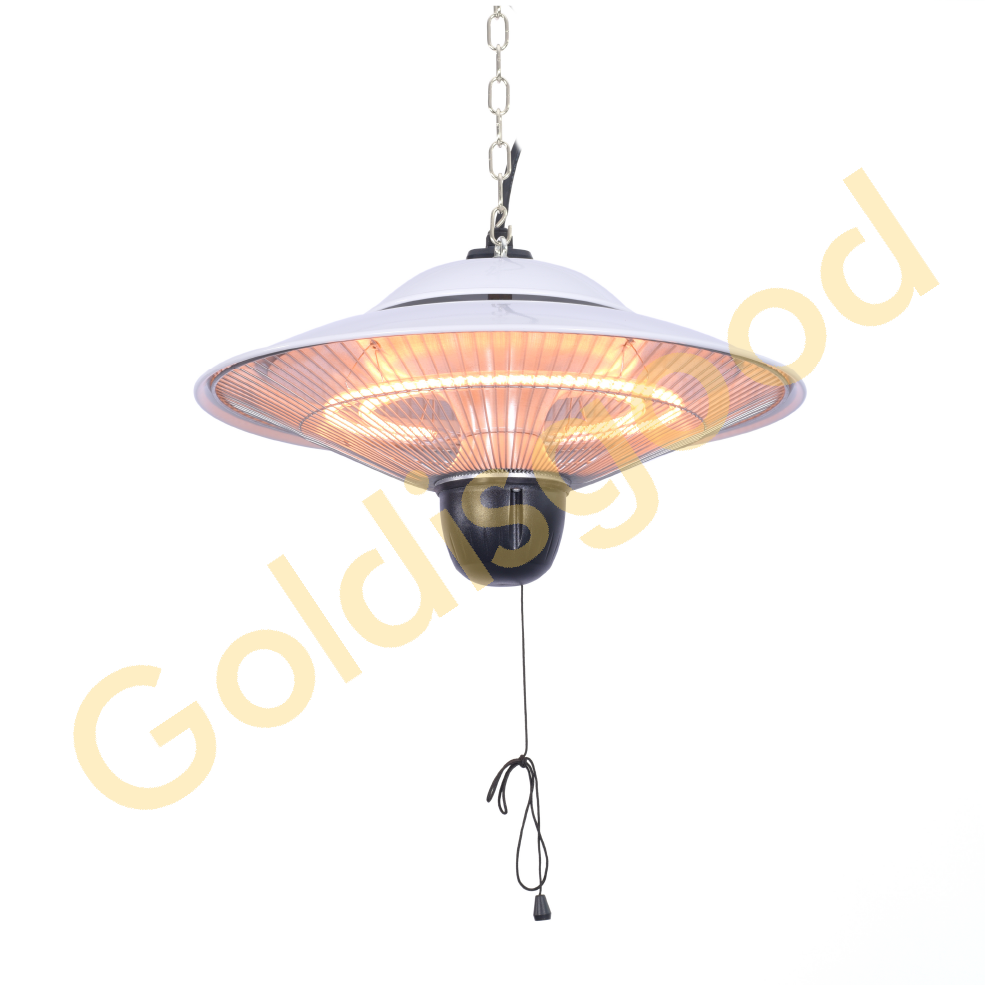
Walk past a showroom window or step into a lab, and you feel it right away with forced-air heat: the noise, the dust being kicked up, the air moving just to move. It throws off the balance, fogs up glass, and sends sensitive equipment chasing its own environment. We built our infrared warehouse heaters to cut through that mess and deliver warmth you can feel—without the fan.
What’s actually happening under the hood
Infrared warmth is radiant heat. The energy travels outward and heats people, surfaces, and objects directly—no fan required. Inside, we run a high-purity quartz tube with a tuned element to create a focused, even field of heat that snaps back quickly when demand changes. No blowers means no constant particle circulation, and the output holds steady so the space doesn’t yo-yo between hot and cold. Controls are straightforward, with a thermostat that keeps the set point consistent. And the unit runs quiet—so conversations, measurements, and presentations stay undisturbed.
Why this approach makes sense for these spaces
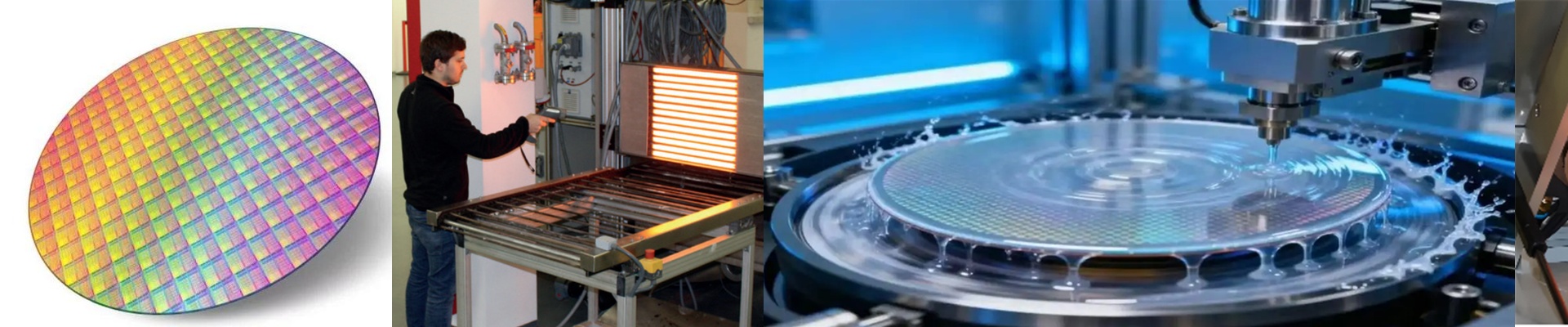
In a showroom, clarity is the whole game. Keep air from being churned, and windows stay clearer. People feel comfortable without drafts. In a lab, stability beats brute heat. Instruments and samples need a steady climate, and you can’t afford dust or vibration. Infrared gives you targeted warmth without disturbing air stratification, so conditions are more predictable and you see fewer spikes and dips. Because the heat delivers directly, response is fast. And with fewer moving parts, maintenance stays simpler. You end up with a cleaner environment, more consistent control, and fewer headaches chasing comfort issues.
The practical details that matter
Infrared heaters work best when the target area is in line of sight. Obstructions can create uneven coverage, so placement matters. They also warm objects and surfaces, which means nearby materials will absorb heat. Plan your clearances and mounting height accordingly. Installation is usually straightforward, but the wiring has to match the heater’s voltage and amperage, and the circuit needs the correct breaker protection. If you’re in a space with strict environmental controls, check the heater’s IP rating and surface temperatures to make sure it lines up with your cleanliness and safety requirements.