
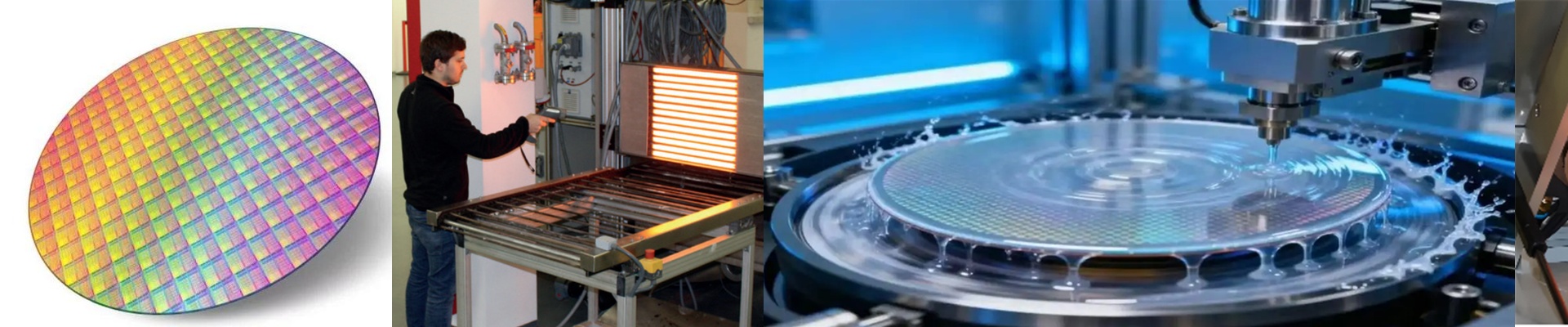
On the factory floor, we don’t want a heater that looks great on the box and folds on a cold night. That’s why every flame-effect infrared heater gets a full-power burn-in before it even gets a serial number. We run the unit at max output, cycling the element and controls until the thermostat, safety cut-out, and connections settle into their steady groove. It’s how we catch weak joints, borderline parts, and early drift that would show up in your living space.
What matters under the hood
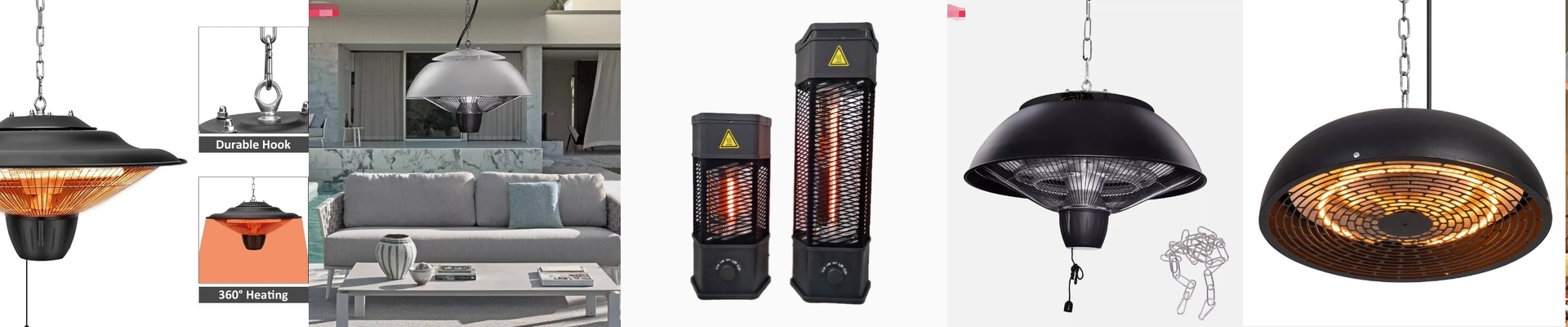
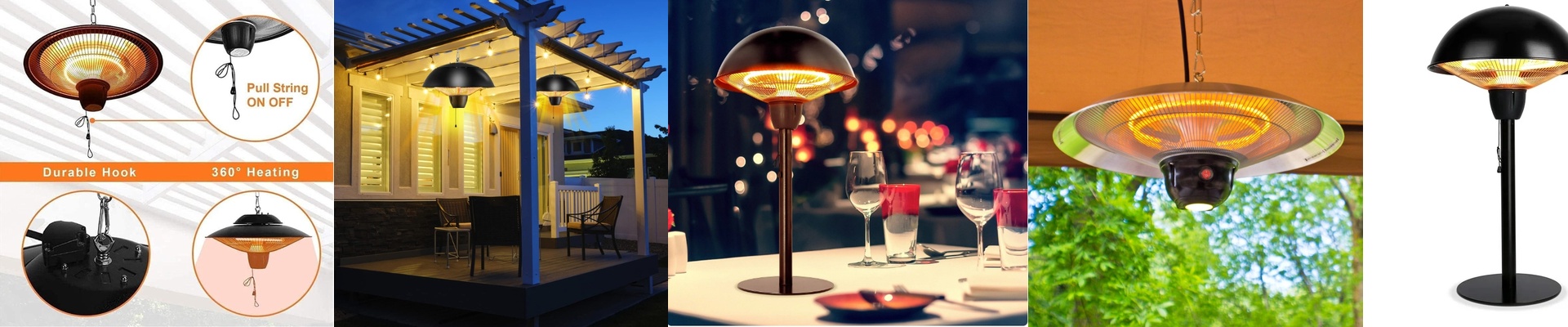
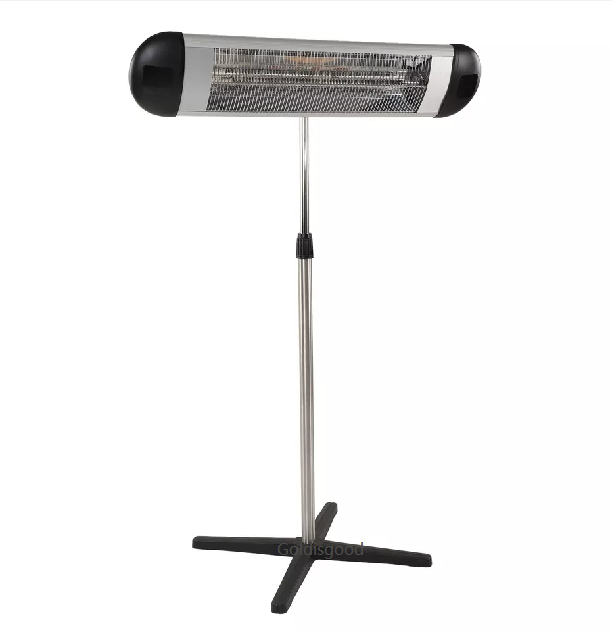
Flame-effect heaters lean on radiant warmth, using a quartz tube or carbon fiber element to throw infrared heat right where it’s needed. The payoff is immediate: you feel the warmth on skin and furniture without waiting for air to move. Output is tuned for outdoor use, with common ratings around 1.5 kW to 2.0 kW on 120 V circuits, and 3.0 kW on 240 V models. The flame look comes from LEDs reflected onto a heat-resistant screen, so you get the fire vibe without combustion, and no smoke.
Why this matters in real outdoor living
Outdoor comfort is a fragile thing. One cold snap can cut the evening short, and a heater that comes up short leaves people huddled under blankets. Our 100% aging test cuts down early-life hiccups, so you get steady output from night one. Radiant heat warms people and surfaces first, which helps everyone relax and keeps the conversation flowing. For homes that regularly host patio dinners, that means fewer interruptions, fewer draft complaints, and a space that still feels welcoming when the air turns crisp.
The practical stuff
These are electric infrared heaters, so they need a dedicated outlet and should be plugged into a circuit that matches the rated voltage. For permanent setups, hardwiring is often cleaner and more secure. Most models are built for dry or sheltered outdoor spots; check the IP rating and keep the heater out of direct rain. The radiant beam warms objects directly, so position the unit to avoid glare and keep the required clearances for safe, even coverage.