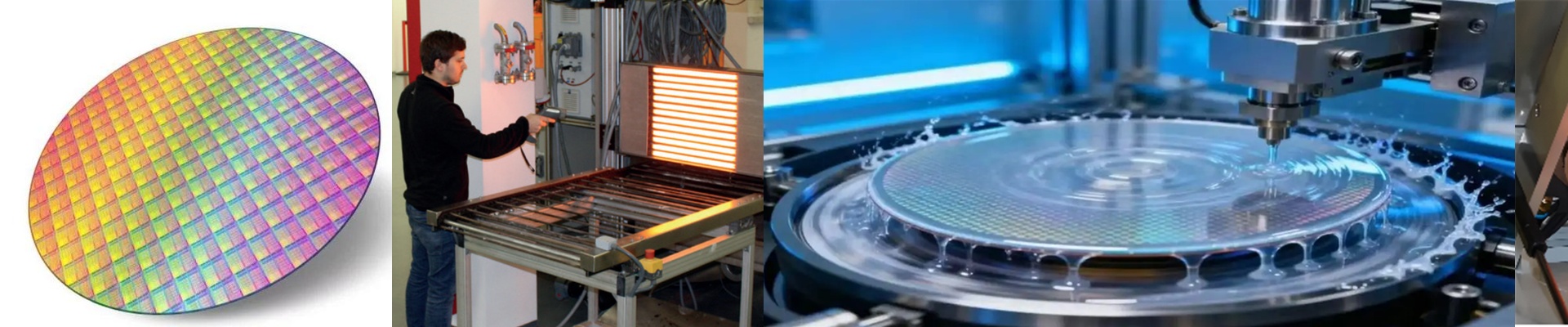

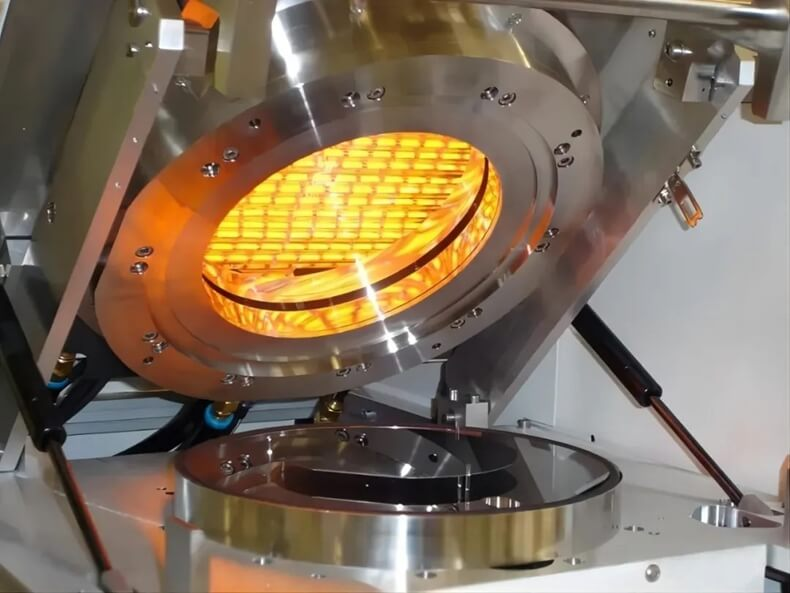
Out on the fab floor, photoresist bake isn’t something you debate. It comes down to repeatable temperature control, period. A half-degree drift across the wafer and your critical dimensions start to walk. You can throw away hours of lithography work just as fast. The IR lamp and its quartz sleeve sit dead center in that thermal loop. If the sleeve can’t keep up, the line pays. What actually matters under the hood We engineered the quartz sleeve to transmit short-wave and medium-wave IR the way the photoresist stack absorbs it during soft bake and hard bake. Wafer-level thermal uniformity stays within ±0.1°C—exactly what you need for line-width control that doesn’t fight you. It holds up in Class 1–100 cleanrooms, and the surface keeps particle counts below threshold even when you’re cycling thermally. We built it for 24/7 duty, and we’ve verified output stability over 5,000+ hours. Why it holds together in production On the line, the sleeve delivers repeatability without thermal lag or hot spots. You see fewer scrap wafers from edge-bead issues, and the critical dimension uniformity across the lot stays tight. Energy use drops because the sleeve transmits IR efficiently—less electrical demand on the lamp while you still hit setpoint. And it’s a drop-in, standards-aligned alternative to OEM quartz components, fitting common fab IR lamp fixtures without re-qualifying the whole thermal stack. The details you don’t get to skip Installation tolerances are tight. Seat the sleeve against the specified hard stops; otherwise you’ll get shadowing and localized heating. Before changeover, verify lamp connector type and envelope dimensions. Handle it with cleanroom-compliant tools and gloves. A fingerprint on the quartz becomes a thermal defect you’ll chase for no reason. Replace on schedule, not on failure—otherwise you’re gambling with your thermal budget and uptime.