
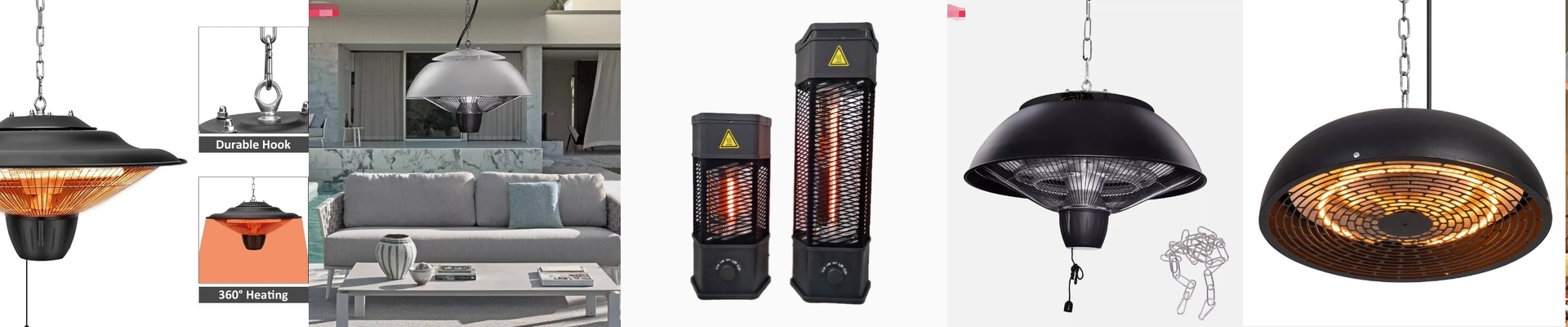

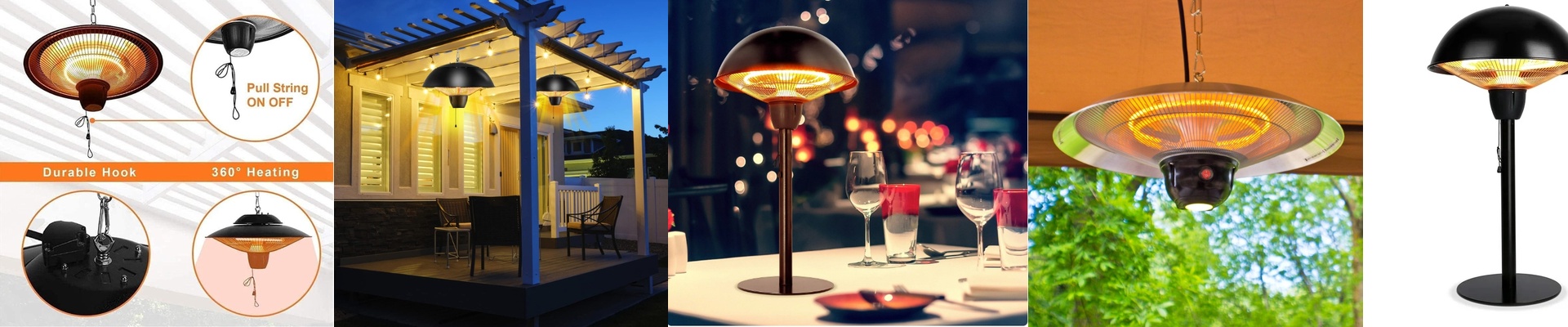
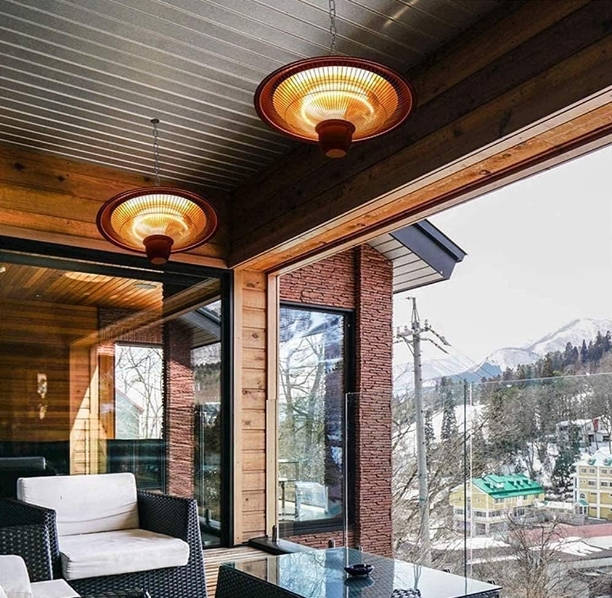
The Secret to a Warm Patio? It’s All About the Heat That Finds You.
Here’s the thing about standing patio heaters: they don’t just warm the air around you. They send warmth straight to where you feel it most—your shoulders, your hands, your toes. That’s the magic of targeted infrared heat. These units run on standard voltage, either 120V or 240V, and pull anywhere from 1,500W to 5,000W. That power isn’t optional—it’s what gives the heater the muscle to cut through the chill and actually make your outdoor space comfortable. More wattage means more radiant heat. Simple as that. If you’re going off-grid, you’ve got to size your solar setup accordingly. A 4,000W heater, for example, needs a solar array that can keep up with that demand for as long as you plan to run it.
The Heart of the Heater: Quartz and Halogen
Inside every one of these heaters is a quartz tube, built to handle extreme temperature swings without breaking a sweat. Wrapped inside is a halogen element that turns on instantly and keeps going, and going, and going—often hitting 5,000 hours before you even think about a replacement. The standing design isn’t just about looks. It’s practical. It saves space and focuses the heat downward and outward, so you get a wide circle of warmth without needing ducts or taking up half your patio. And because it radiates heat directly, you waste far less energy than you would with those old-school convection heaters.
Off-Grid? Let’s Talk Real Numbers
Pairing an infrared heater with solar is all about freedom. But you need to do the math. Take a 3,000W heater that runs for four hours a day. That’s 12 kWh. Now, if you have a 10 kW solar array in a spot that gets four peak sun hours, you’re making 40 kWh. In that setup, the heater uses a fraction of what you produce, leaving you plenty of extra power—about 70% more, assuming you’re not running a bunch of other big loads. But here’s the catch: without batteries, you only get heat when the sun is out. Add a battery bank, and you’ve got warmth anytime, day or night. So the real goal is simple: match your solar production to your heater’s appetite, and make sure your battery has enough in the tank to cover the hours after dark.
The Honest Truth About Power
Running a big infrared heater off-grid pushes your system hard. A 5,000W unit will blow a 30A breaker if it’s on the same circuit as other appliances. So you’ve got to give the heater its own dedicated line. And your inverter has to be tough enough to handle that sudden surge when it kicks on. Cloudy days are another factor. Solar output dips when the sky turns gray. That’s why it’s smart to oversize your panels by 20–30%. It’s not being extra—it’s just planning for reality.