
Keeping Things Pristine: The Reality of Sensor Heating
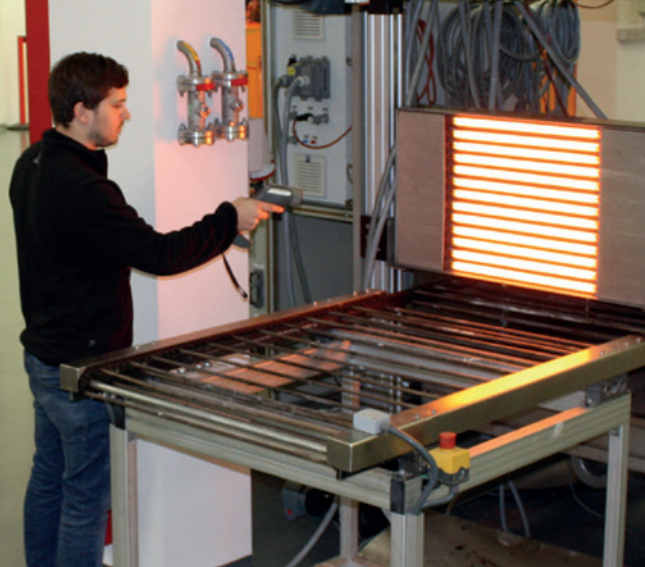
When you’re making hydrogen sensors, a single speck of dust or a tiny bit of gas leaking from a seal can kill an entire batch. It’s frustrating. One tiny mistake and you’ve wasted hours of work. That’s why when we build infrared heaters for this stuff, we aren’t just thinking about temperature. We’re thinking about purity. The deal with quartz We stick with high-purity synthetic quartz for our lamps. Why? Because standard glass or the cheap stuff tends to flake or shed particles when things get hot. Nobody wants “snowing”—that nightmare scenario where microscopic bits of debris drift down onto your sensor substrate while it’s curing. We process our tubes specifically to make sure there’s nothing left on the surface to fall off. Fighting outgassing To hit those Class 100 (ISO 5) standards, we had to get rid of the usual suspects. No organic binders. No sticky adhesives. Instead, we use inorganic sealing materials. They don’t “off-gas” when the heat kicks in, so your air stays clean. Plus, you get a sharp, short-wave infrared output that hits the substrate fast. This is a big win. Faster heating means shorter cycles, and shorter cycles mean there’s way less time for airborne junk to settle on your work. The trade-offs Here’s the catch: these high-intensity lamps put out a ton of heat. They run hot. If your cooling manifolds aren’t dialed in, you’ll feel it. Low airflow can lead to heat soak, which might warp your mounting brackets or throw off your sensor calibration. It’s a headache you don’t need. We usually suggest a dedicated chilled-air purge just to keep the housing stable and cool. The best part? These are designed to be drop-in replacements. You just wire them up, set your PID controller, and you’re good to go. You get a clean, steady heat profile without worrying about contamination ruining your day.