
Introduction
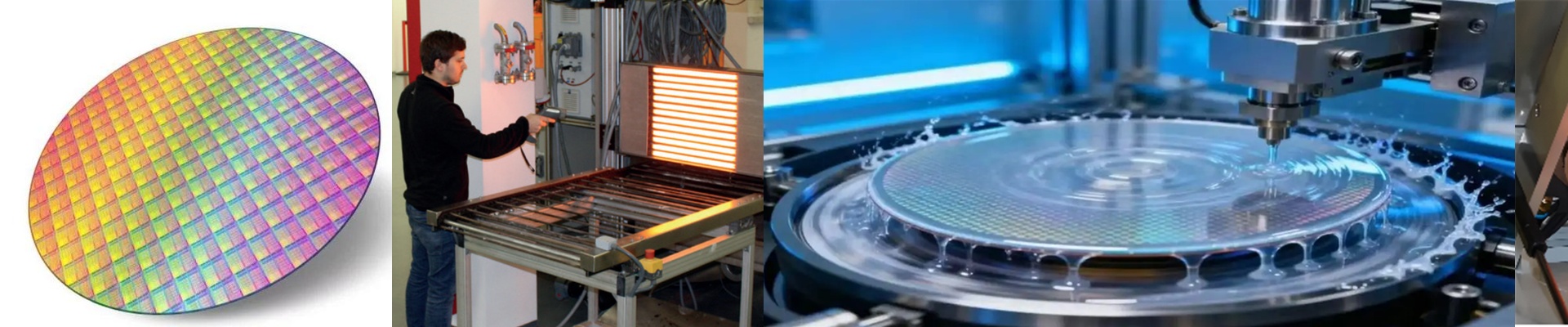
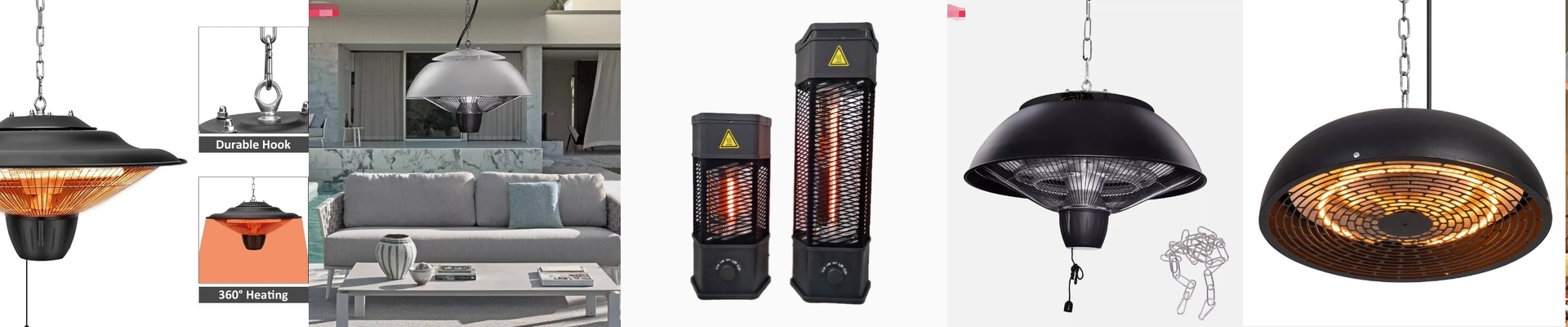
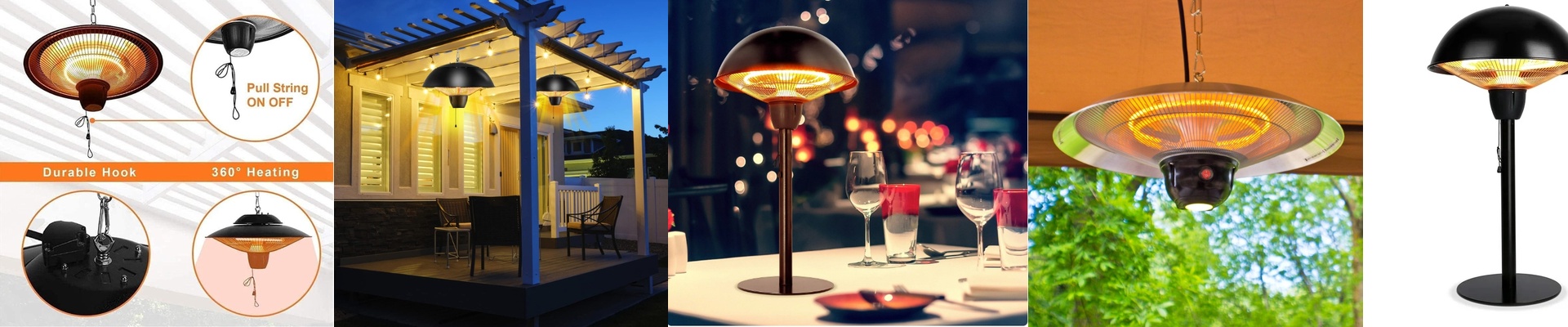
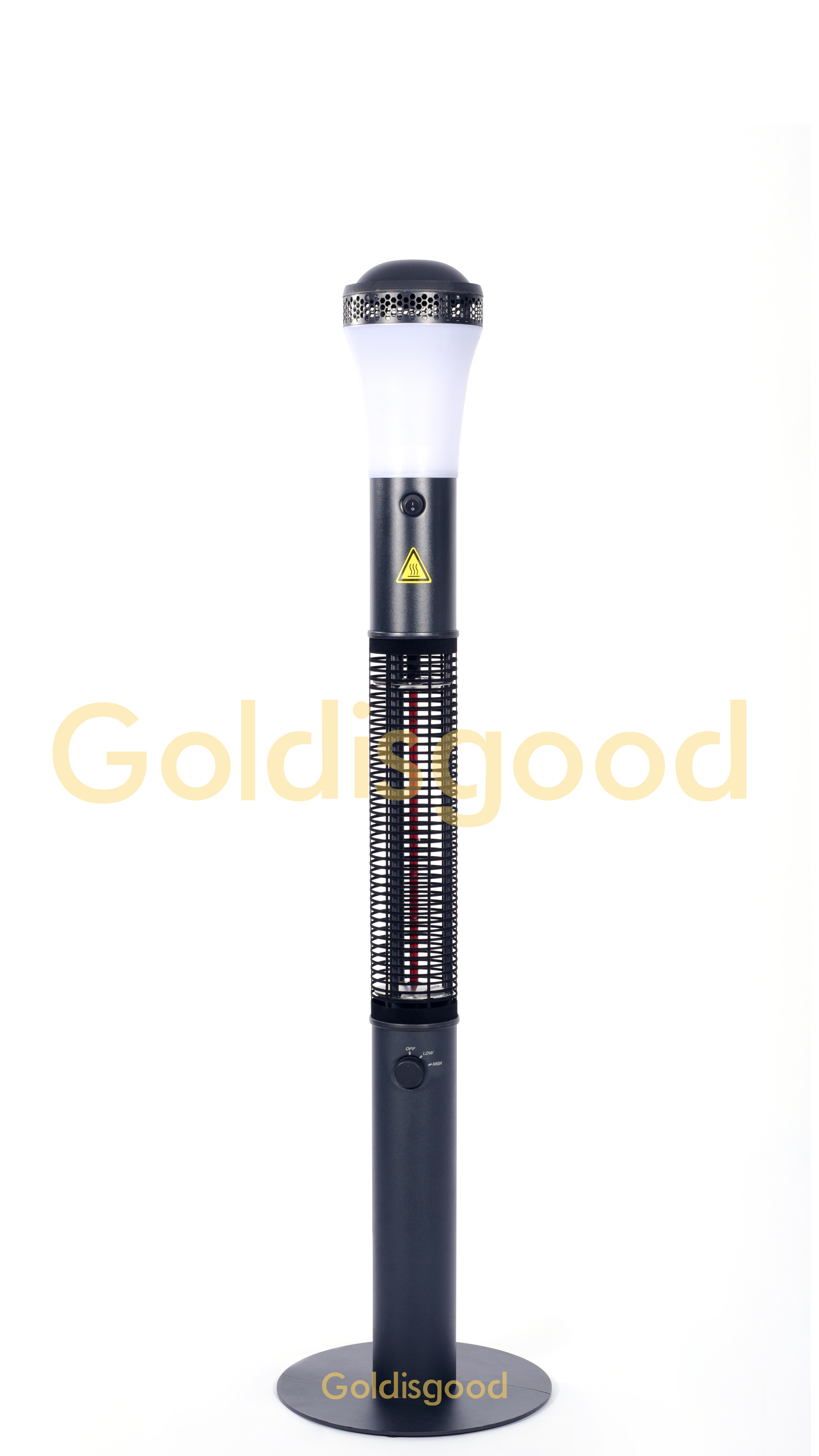
We built this bathroom mirror heater to do two things at once: warm things up right where you need it, and get to the heart of the mold problem. The secret is a shortwave infrared lamp. It doesn’t just warm the air—it zeroes in on surface moisture with its specific light spectrum. That shifts the whole microclimate on your mirror and walls, making it way harder for mold spores to even think about settling in.
How It Actually Works
Here’s the thing: the system packs a lot of heat into a small space thanks to that shortwave infrared lamp. It runs on standard household power, and the response is almost instant. The quartz envelope is tough enough to handle the shock of switching on and off, and the slim design slips right into tight mirror setups. It warms up fast and stays steady, so you can run it in short bursts to keep surfaces dry—no overshooting, no fuss. The light spectrum sits in the near-to-shortwave range, which punches through thin films of water and heats surfaces quickly. That speeds up evaporation on glass and tile, stripping away the dampness mold lives on. Even when the room air is on the cool side, you’ll notice the humidity right at the mirror drops.
The Build
We use a quartz tube with an internal halogen fill. That keeps the filament temperature stable and the color of the light consistent over the life of the lamp. The R7s connector makes installation a breeze in mirror housings—slide it in, lock it down, and wire it up. The coating on the quartz handles UV and keeps glare out, so you get the heat without that harsh visible glare. Bathrooms are rough on equipment. Humidity and sudden temperature swings are constant. We designed the assembly to handle lots of on-off cycles, but it still pays to match the socket material to the heat profile and keep the wiring path sealed tight against steam.
What It Does for You
In a bathroom mirror setup, this heater works like a targeted dehumidifier right at the surface. The mirror stays clear, and condensation doesn’t run down the walls or pool at the edges. That means the thin, nutrient-rich films mold depends on just aren’t there. Now, there is a trade-off—heat density. The lamp clears surfaces fast, but the fixture area does get hot. So the mirror backing and housing need to handle the temperature. Plan your mounting with air gaps for heat to dissipate. When you spec it right, the unit slips in as a straightforward replacement. You get surface drying whenever you need it, and a cleaner bathroom feel—no chemicals required.