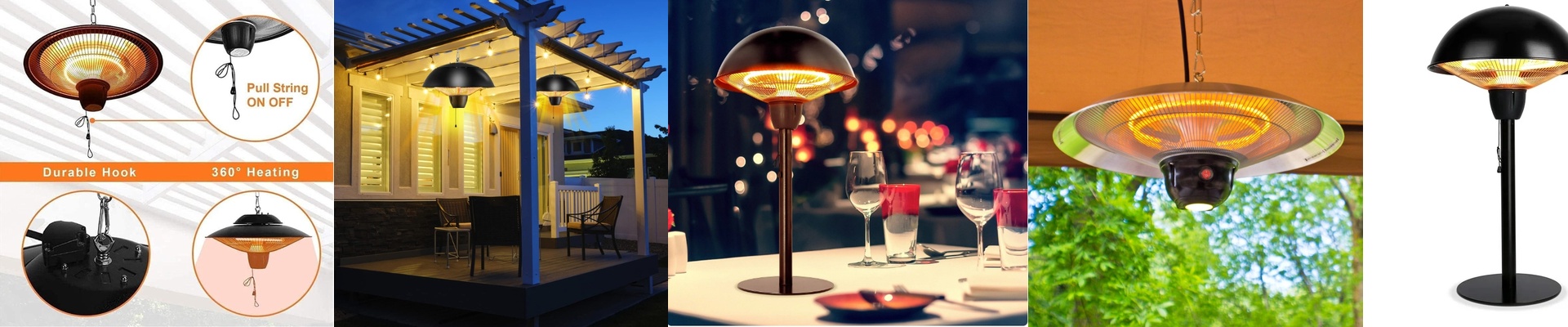

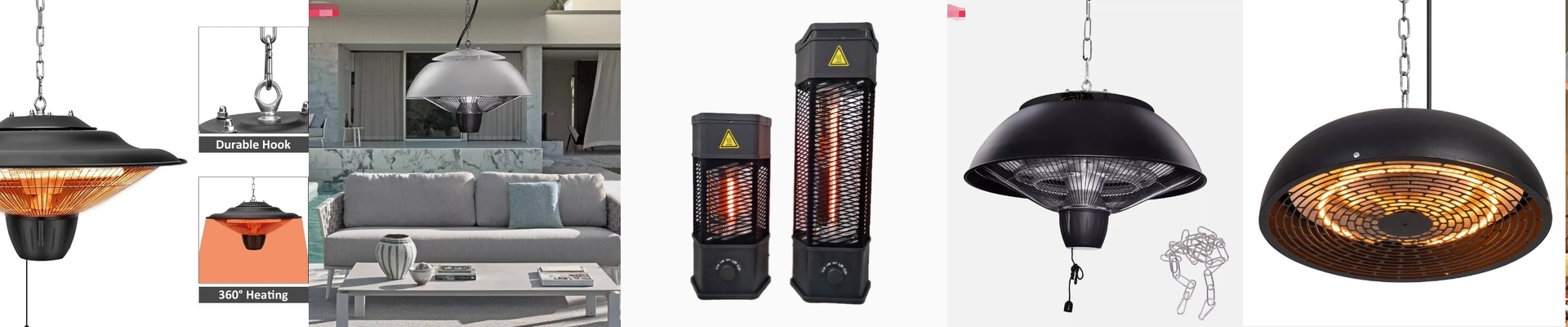

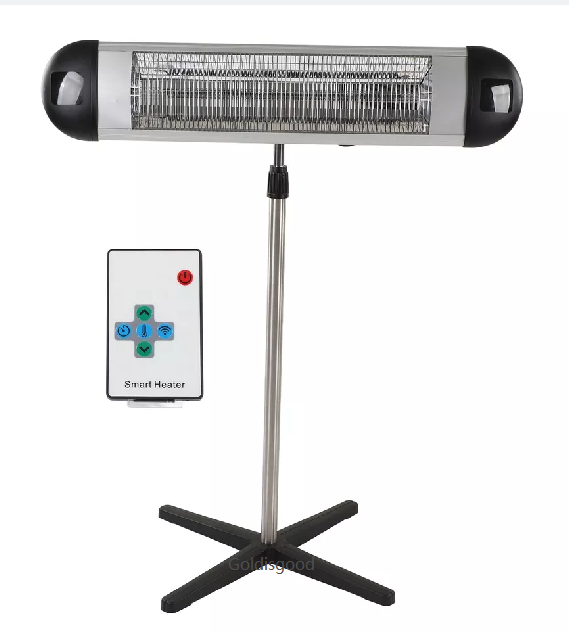
On a breezy evening, the terrace is set—until the grid stutters. A quick dip or surge, and a lot of infrared heaters dim, flicker, or cut out. The bigger problem is the kind you don’t always see: repeated voltage stress chews up the heating element and wears down the electronics over time. We built our patio heater with a simple goal: keep the infrared warmth steady, even when the line isn’t.
What matters under the hood
We run a carbon-fiber infrared element, paired with a closed-loop circuit that actively compensates. It measures input voltage continuously and adjusts current to hold consistent power. That’s how you get stable radiant heat, even through the usual ups and downs. Internal protections handle surges and dropouts without nuisance tripping. A tip-over switch cuts power if the unit gets knocked over, and the heater is rated for outdoor use with an IP rating that holds up against rain and dust. The core delivers infrared warmth—not moving air—so you feel heat within seconds.
Why this works on a terrace
Outdoor comfort has to be immediate and reliable. Infrared warmth targets people and surfaces directly, so you can sit comfortably without waiting for the whole space to warm up. With circuit compensation, the heater holds output when voltage is uneven, so the evening doesn’t get cut short because the line dipped. That stability means fewer restarts, less thermal shock on the element, and a longer service life. You also get real control: low for gentle background warmth, high when guests arrive and you need heat fast.
The practical details
Because the compensation system actively manages power, it needs a dedicated circuit. Plug the heater into an outlet that can handle its rated load, and avoid long extension cords that can cause voltage drop. Keep the heater away from water sources, and never cover the radiant face. In very hard water areas, a quick wipe of the housing helps prevent mineral buildup. Run it, relax, and keep the terrace exactly as cozy as you want it.