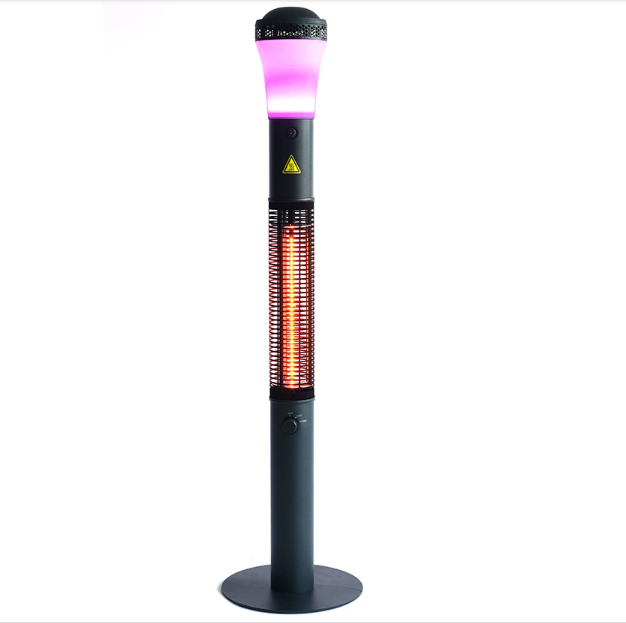
Keeping Wet Zones Warm Without the Headaches
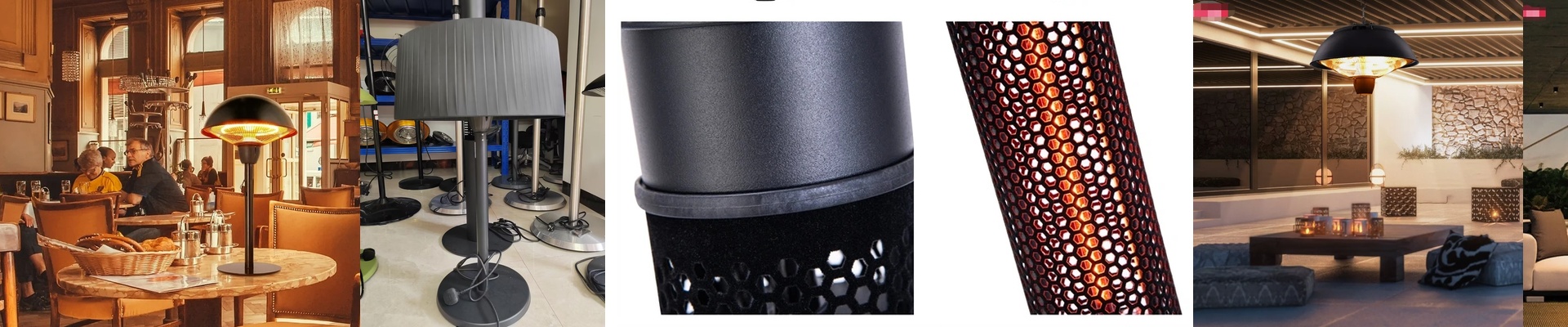
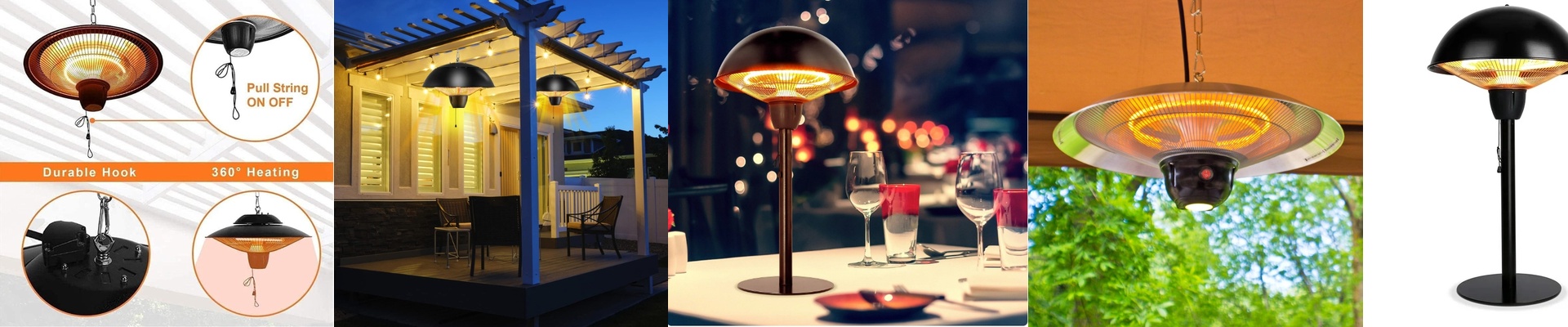
Let’s be honest: locker rooms and changing areas are brutal on equipment. Between the steam, the splashes, and the dust, most heaters just give up. The humidity gets into the circuitry, things short out, and suddenly you’ve got a cold room and a dead heater. That’s why we built our infrared table heaters with an IP55 rating. In plain English? We sealed the guts of the machine. Water spray and dust stay out, while the heat keeps pumping out.
Heat That Actually Hits You
Here is the thing about standard heaters: they try to warm the air. But in a big, open room, that warm air just floats away to the ceiling. Waste of energy. We use short-wave infrared instead. It doesn’t mess around with the air; it sends energy straight to the surfaces it hits. Your skin, the walls, the floor. You feel that “thermal jump” almost the second you turn it on. We use high-density quartz tubes to make sure that heat is focused exactly where people are standing, not wasted on the rafters.
The Nitty-Gritty on the Hardware
Since these live in steamy environments, we used corrosion-resistant housings so you aren’t staring at rust streaks in six months. We also routed the wiring through sealed glands. It’s a small detail, but it stops moisture from creeping into the terminal block and causing a mess. One heads-up: these units pull a lot of power to get that instant heat. If you’re installing a whole row of them, double-check your breakers. You don’t want the power tripping the moment everyone turns them on at once.
What to Expect During Install
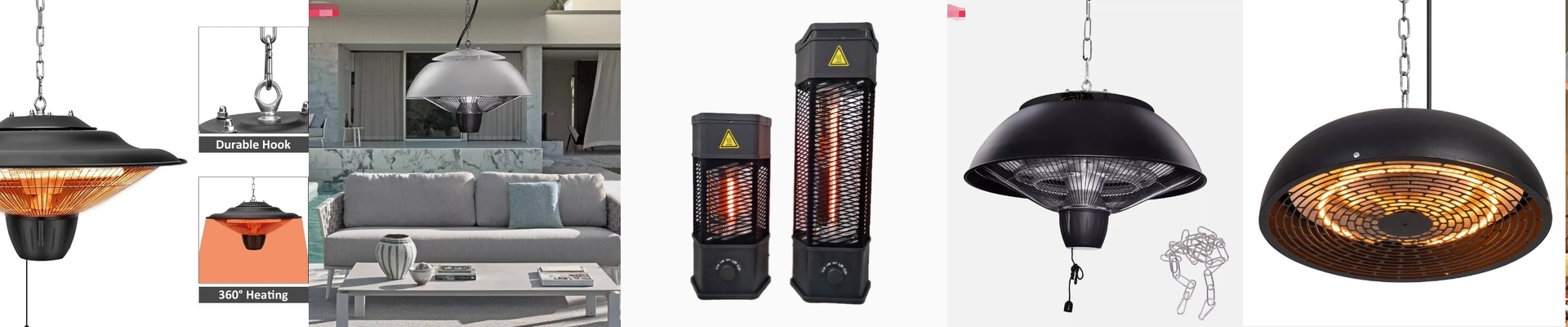
These are designed to be easy drop-in replacements for your old radiant panels. We kept the footprint small, so you can tuck them under benches or mount them on walls without anyone tripping over them. Now, a quick reality check. Because the IP55 casing is so tightly sealed, the housing itself gets hot. It’s a trade-off for the waterproofing. Just make sure you leave some breathing room between the heater and anything flammable—nobody wants scorched walls. And a pro tip? Hook them up to a timer. There’s no point in heating an empty room at 3 AM.