
Getting Your MEMS Wafers Dry Without the Headache
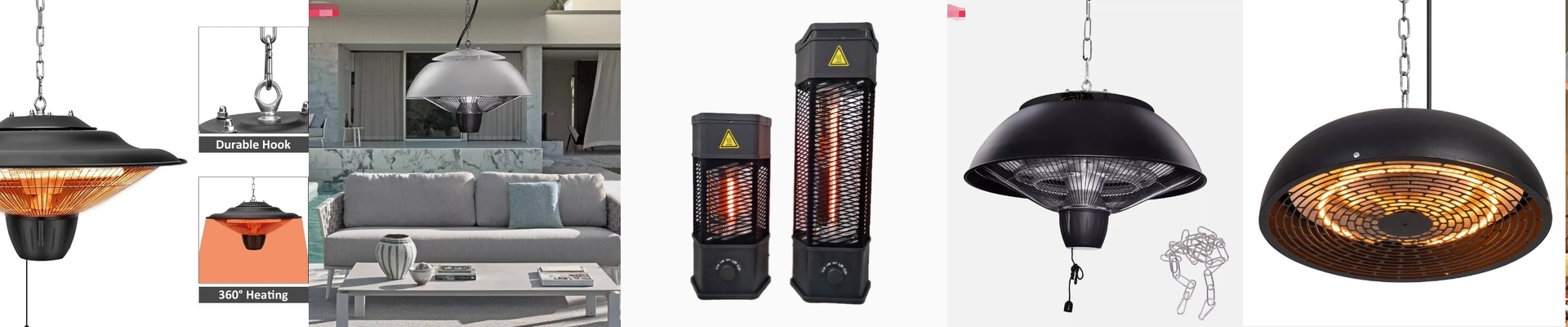
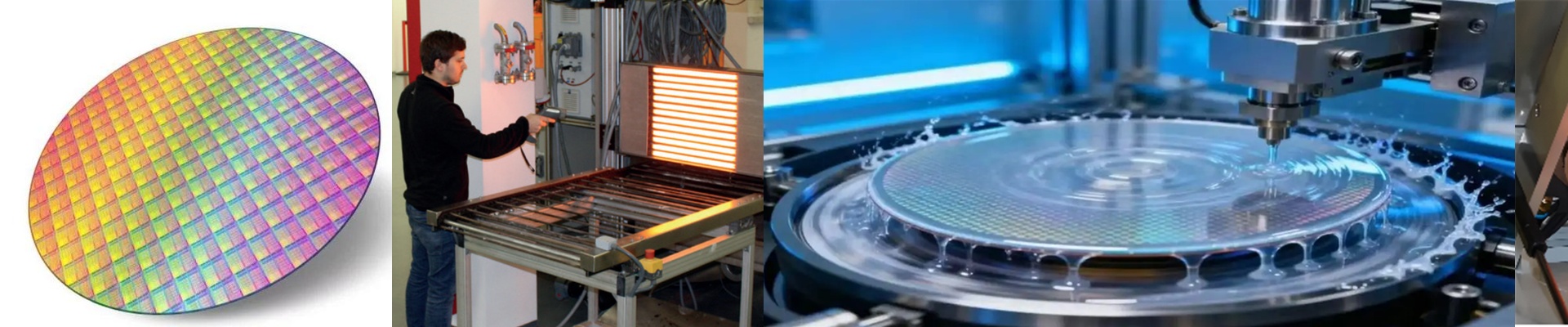
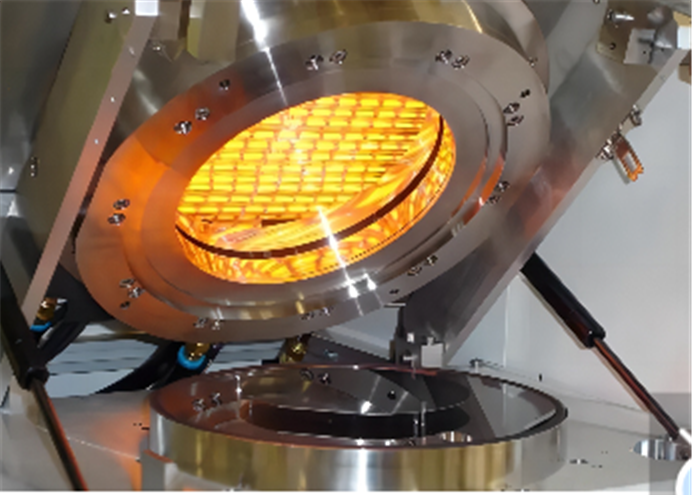
Drying MEMS sensor wafers is a bit of a balancing act. You need the water gone—fast—but if you go too aggressive, you risk thermal stress or leaving behind nasty residue. The trick we’ve found is using infrared heaters paired with gold-coated reflectors. It sounds fancy, but it’s really just about making sure the heat actually hits the wafer instead of heating up the inside of your machine. Why gold? Think about a standard quartz lamp. It throws heat in every direction. In a typical setup, you’re basically tossing half your energy into the void. By adding a high-purity gold coating to the reflector, we can bounce about 98% of that infrared light right back where it belongs. This isn’t just about lowering the electric bill. It’s about power. When you concentrate those watts per square centimeter, you hit your target temperature way faster. Your cycle times drop, and your throughput goes up. It’s a win-win. The tricky part Of course, you can’t just crank the power and walk away. When you’re dealing with this much concentrated heat, your lamp housing takes a real beating. If your airflow isn’t dialed in to pull heat away from the electrical connections, your filaments are going to burn out way sooner than they should. We focus on keeping the footprint small while making the heating zone as effective as possible. The goal is a tight thermal profile. You don’t want the edges of your wafer scorching while the center is still damp. Getting the fit right One last thing: alignment is everything. If your lamp is off by even a couple of millimeters, the focal point of that gold reflector shifts. Suddenly, you’ve got cold spots on your wafer, and you’re back to square one. We suggest using rigid mounting brackets. They keep the lamp locked down tight, even if your system vibrates. That’s how you keep the heat consistent across the entire sensor surface, every single time.