
Stop Waiting on the Air: Why IR Heating Wins in Semiconductor Processing
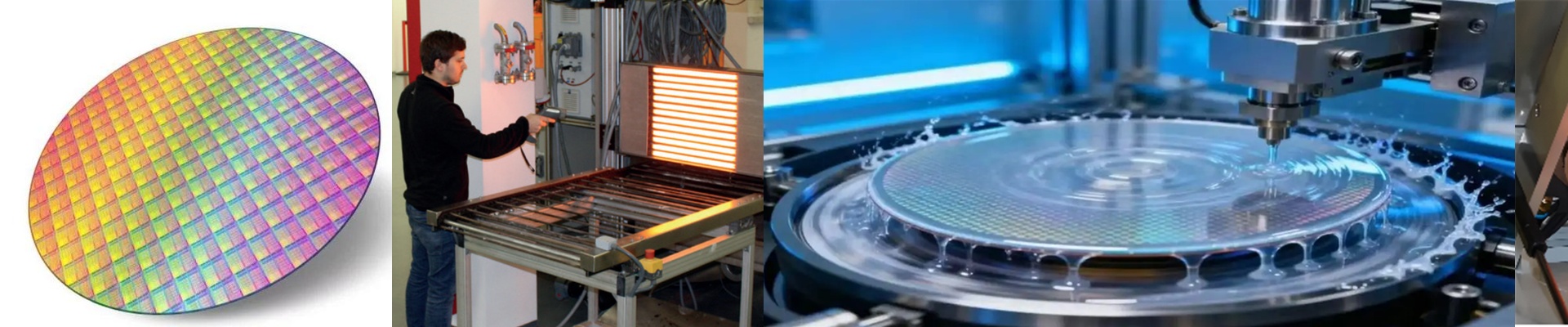
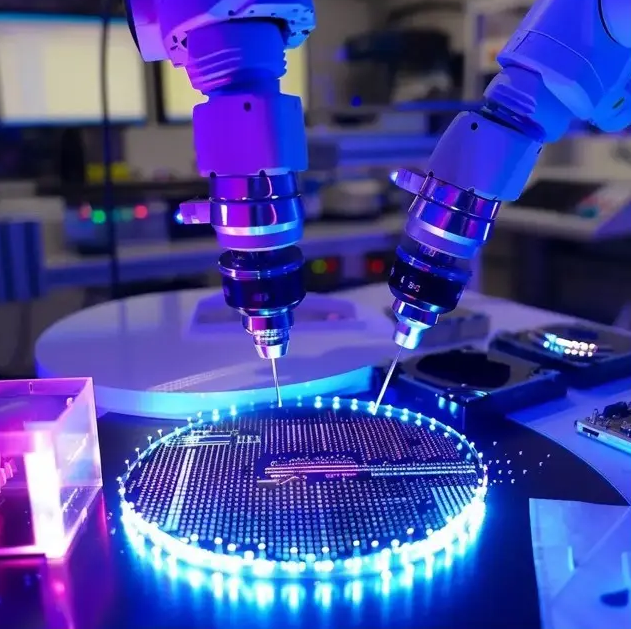
If you’re still using forced air for deep processing in semiconductors, you’re basically paying a “waiting tax” on every single batch. Here’s the deal: forced air is slow. You heat the air, the air moves around, and eventually, the part gets warm. It’s a lot of middlemen. IR heating just cuts through all that. It sends energy straight to the substrate. No waiting. No middleman. Just heat. The real killer is the “dead time.” With hot air, you have to wait for the whole chamber to saturate before you can even start. It’s a slog. But IR lamps? They hit their target temperature in seconds. When you make the switch, you stop staring at a timer and start actually processing. It’s a massive win for your cycle time. Then there’s the cleanroom headache. Let’s be honest—blowing air around a cleanroom is a gamble. Moving air kicks up dust and particulates, and the last thing you want is a stray speck of grit landing on a wafer. IR heaters just sit there. They don’t move the air, which means you don’t need those massive, power-hungry filtration systems to scrub the air clean. Your footprint gets smaller, and your power bill drops. Now, it’s not all magic. There are trade-offs. IR is powerful, but it’s directional. Unlike a convection oven that wraps your part in a warm blanket of air, IR is more like a spotlight. If you aren’t careful with where you place the lamps, you’ll end up with cold spots. And if your parts have weird, complex shapes, you’re going to need a few different IR arrays to make sure everything heats up evenly. It takes a bit more planning upfront. But for most of us, the math is simple. Once the cost of waiting around becomes more expensive than the hardware itself, IR is the only way to go. You get a faster ramp-up, a cleaner environment, and way more control over the whole process.