
Stop Wasting Time: Why Vacuum IR Heating Just Makes Sense
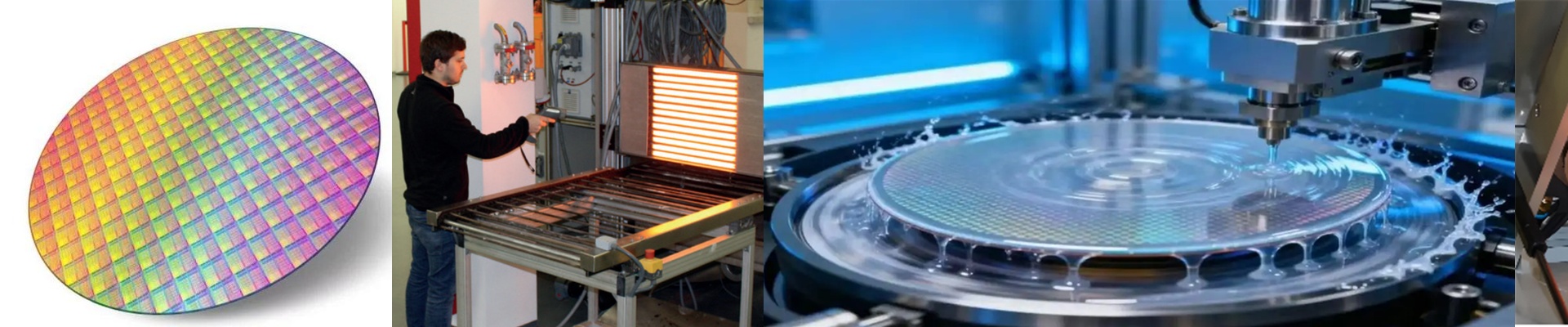
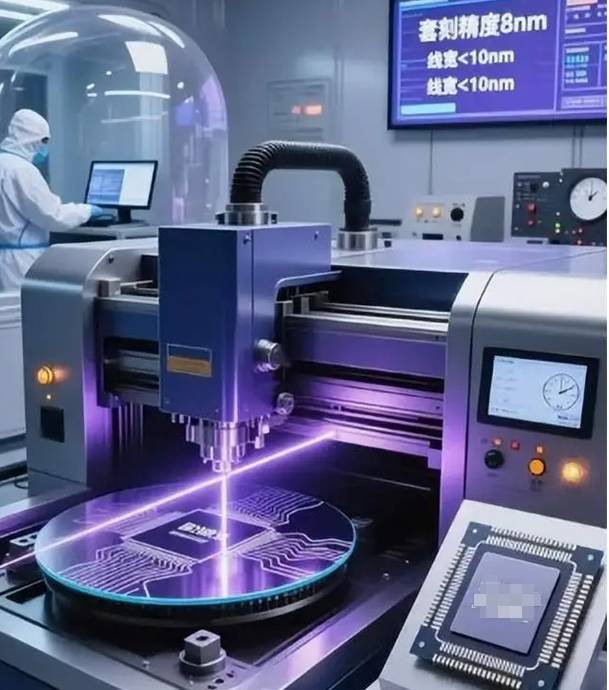
If you’ve spent any time in semiconductor processing, you know the drill. You’re waiting. Waiting for things to heat up, waiting for them to cool down. For a long time, we relied on forced air to get the job done, but moving to vacuum-compatible infrared (IR) heaters changes the whole rhythm of the shop. It really comes down to how the heat gets to the wafer. Air convection is like trying to heat a room with a fan—it takes forever because the air has to carry the energy. And in a high-vacuum environment? Air doesn’t exist. You can’t move what isn’t there. IR heaters just skip the middleman. They shoot electromagnetic radiation straight at the target. It’s instant. That “thermal lag” we all hate with air systems? Gone. You don’t have to warm up the air, then the walls, then finally the substrate. With short-wave IR lamps, the energy just hits. We’re talking about cutting your ramp-up and cool-down times by 60% to 80%. When your fab is humming 24/7, those saved minutes add up to a lot more wafers moving through the door every hour. But you can’t just throw any lamp into a vacuum. We use specialized quartz envelopes and sealants because “outgassing” is a nightmare. If your heater leaks chemicals into the vacuum, you’ve just contaminated your silicon and ruined your vacuum integrity. It’s a mess. That’s why we build these to be compact but powerful—giving you high heat density exactly where you need it, without turning the entire vacuum vessel into an oven. Now, I’ll be honest: IR heating isn’t a magic trick. It has its quirks. Since the heat transfer happens so fast, it’s easy to overshoot your target temperature. If your PID loop isn’t dialed in perfectly, you’ll blow right past your goal. Then there’s the issue of reflection. If your chamber walls aren’t ready for that kind of radiation, you’ll end up heating your expensive equipment instead of the part you’re actually working on. Our trick? Use gold-plated heat shields. It keeps the energy focused right on the wafer, stops the waste, and keeps your cooling system from working itself to death.