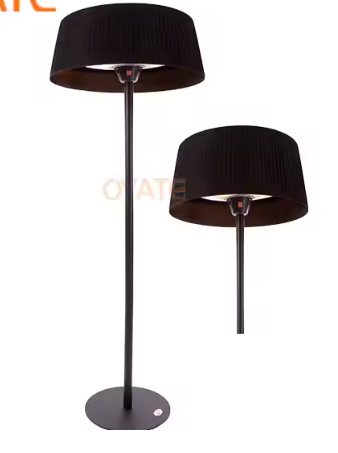
Stop Losing Money to the Cold: A Better Way to Heat Your Patio
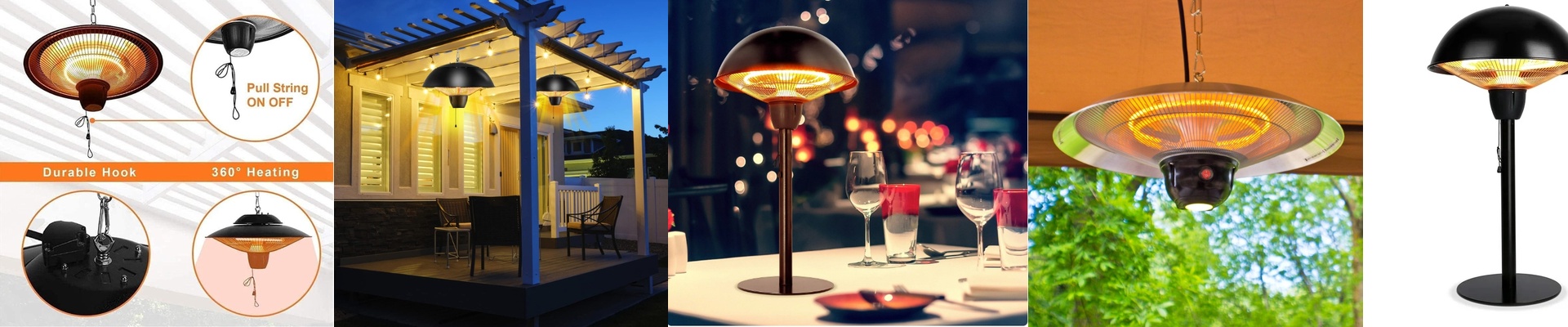
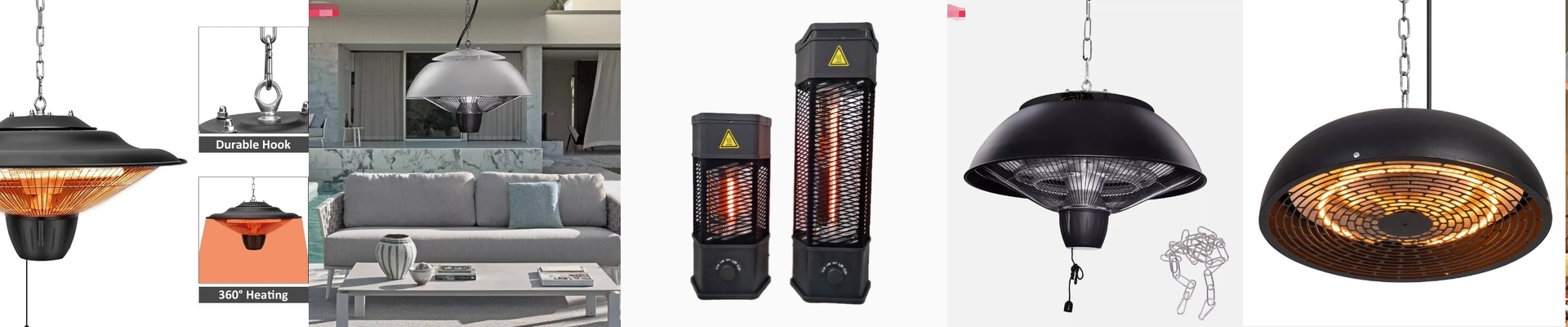
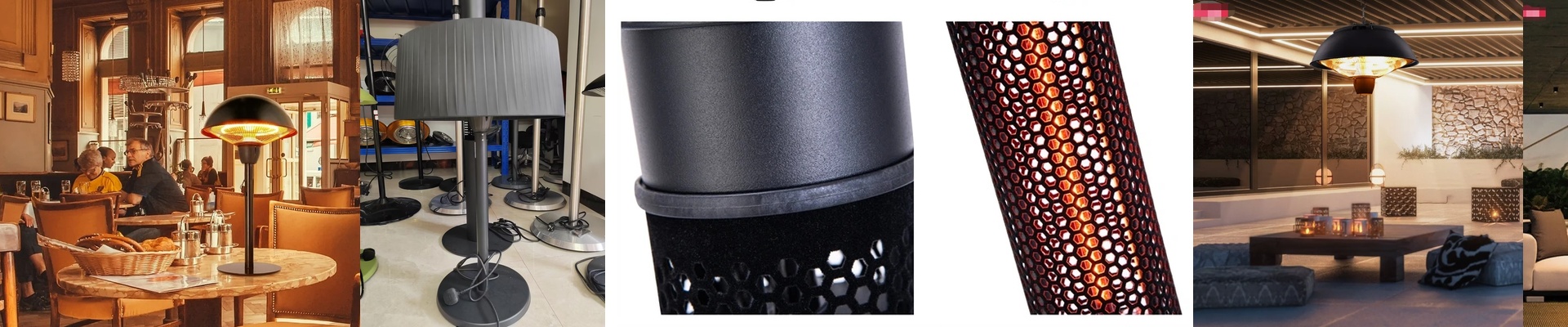
It’s a frustrating cycle. You’ve built a great outdoor space, but the second the temperature dips, your patio becomes a ghost town. Most people try to fix this with those standard space heaters. The problem? They just heat the air. And in an open-air setting, that warm air just floats away into the night. You’re basically paying to heat the neighborhood. We do things differently. We use ceiling-mounted infrared (IR) heaters. Instead of fighting the wind, these send out waves that heat people and objects directly. It feels like standing in the sun on a crisp autumn day. The air stays cold, but your guests stay warm. Getting the heat right You can’t just slap any heater on the ceiling and hope for the best. If you mount a unit 3 meters up but go too cheap on the wattage, the heat will never actually reach the table. It just gets lost in the cold air. You need enough punch to actually raise a guest’s skin temperature by a few degrees. When people aren’t shivering, they relax. They linger. And when they linger, they order another round of drinks or a dessert they weren’t planning on. That’s where the real money is made. The practical side of things We put these on the ceiling for a reason. It keeps your floor clear and means nobody is accidentally leaning against a hot element. But here is a heads-up: don’t try to plug these into a power strip. You’ll trip your breakers in five minutes. These need their own dedicated circuit to run safely. Also, keep in mind that IR heat works like a flashlight—it travels in a straight line. If you have a massive decorative pillar or a high-back booth in the way, you’re going to end up with a “cold spot” behind it. We spend a lot of time mapping out exactly where the heaters go so nobody is left freezing in a thermal shadow. Is it worth it? Think of it this way: you’re turning a seasonal patio into a year-round money maker. Sure, there’s an upfront cost to get the wiring and units installed. But that pays for itself pretty quickly when you can keep your tables full in January and keep your prices where they need to be, even in the off-season.