
Getting Your bathroom Heat Just Right
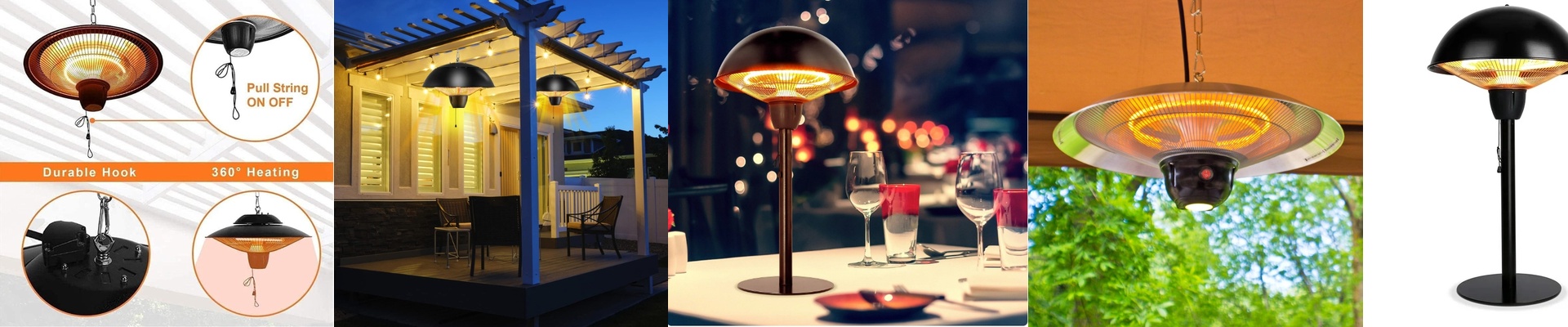
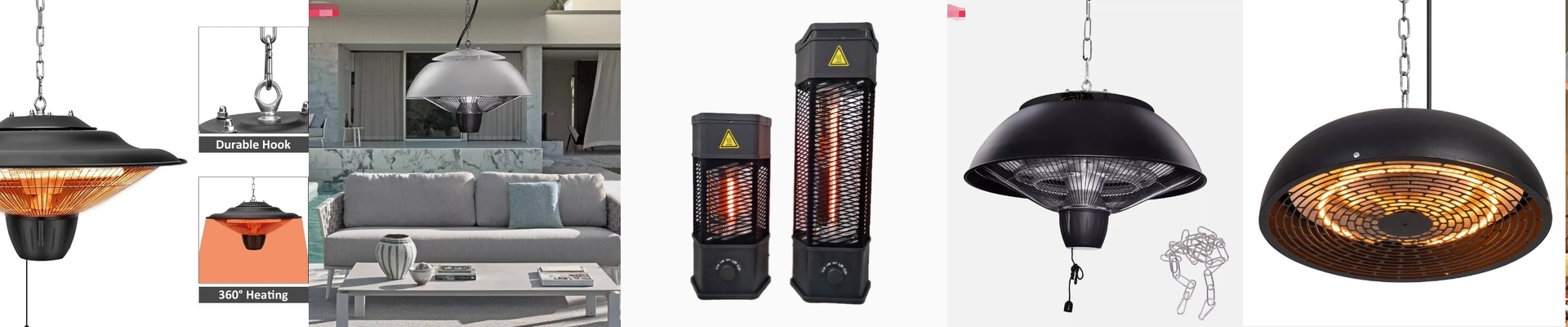
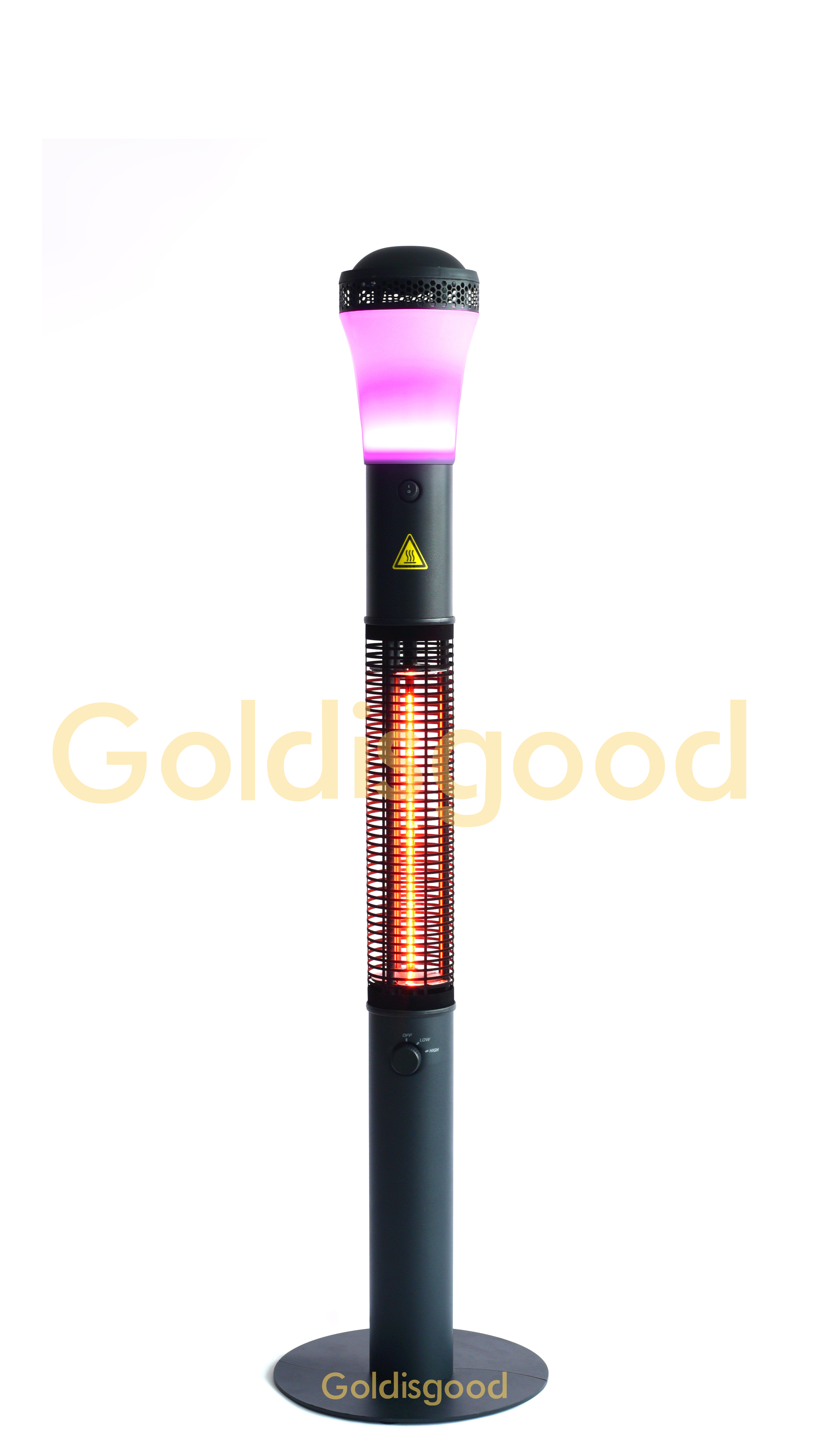
When you’re picking out an infrared heater for the bathroom, it’s tempting to just grab the most powerful one on the shelf. But here’s the thing: more power isn’t always better. If you put a beast of a heater in a tiny room, you’re going to end up with weird hot spots or, worse, a tripped circuit breaker right when you’re stepping out of the shower. On the flip side, going too small means you’re just standing there shivering, waiting for the room to actually feel warm. It’s all about balance. Finding the right fit for your space If you’ve got a small powder room—you know, those tiny guest baths—something in the 250W to 400W range is usually plenty. Shortwave lamps are great here because they warm you up instantly. You don’t have to wait for the air to heat up; you just feel it the second you flip the switch. For a medium-sized bathroom, you’ll probably want to bump that up to 600W or 800W. My advice? Instead of one giant, scorching lamp, try splitting the heat between two smaller ones. It spreads the warmth around the room much better, so you don’t feel like you’re standing too close to a campfire. If you’re dealing with a massive master bath, you’re looking at 1000W or more to actually feel the difference. Why the mirror actually matters That shiny mirror coating isn’t just there to look fancy. It’s actually a parabolic reflector. Think of it like a flashlight beam—it pushes the heat waves straight down toward you instead of letting them soak into your ceiling. Without a good reflector, you’re basically paying to heat your attic, losing about 30% of your warmth to the building itself. Not a great way to spend your money. A few things to watch out for Higher wattage gets you warm faster, but it’s tougher on your electrical system. If you try to plug a 1000W lamp into a circuit meant for 400W, you’re asking for trouble. You could literally burn out your terminals. Definitely double-check your wire gauge before you go for a big upgrade. And one last tip: watch your mounting height. Shortwave lamps are powerful, but they don’t “throw” the heat very far. If you hang the lamp too high, the warmth just vanishes before it hits the floor. Stick to the manufacturer’s height guide so you aren’t wasting electricity on thin air.