
Getting Your Vacuum Chamber Heat Right
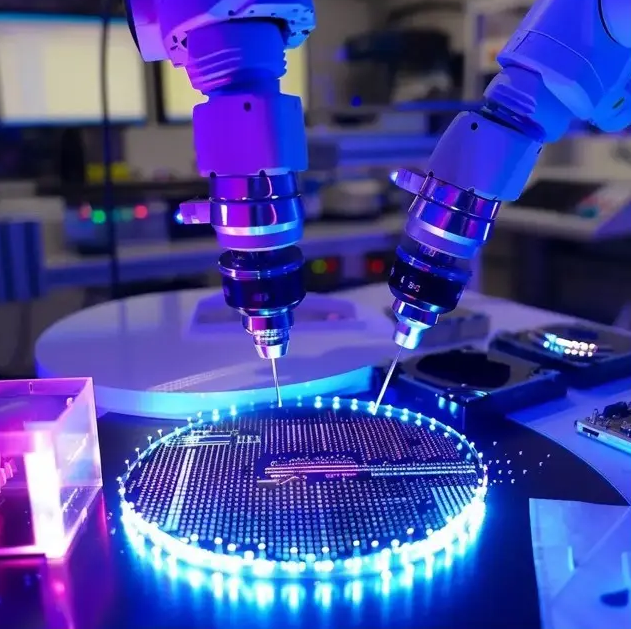
If you’re building a modern Fab plant, you’ve probably realized that thermal energy is a bit of a headache. Once you pull the air out of a vacuum chamber, convection just vanishes. It’s gone. You’re left relying entirely on radiation to get the job done. That’s where infrared (IR) systems come in. Instead of fighting the vacuum, they work with it, beaming energy directly to your target without needing any middleman.
Stop Guessing Your Temps
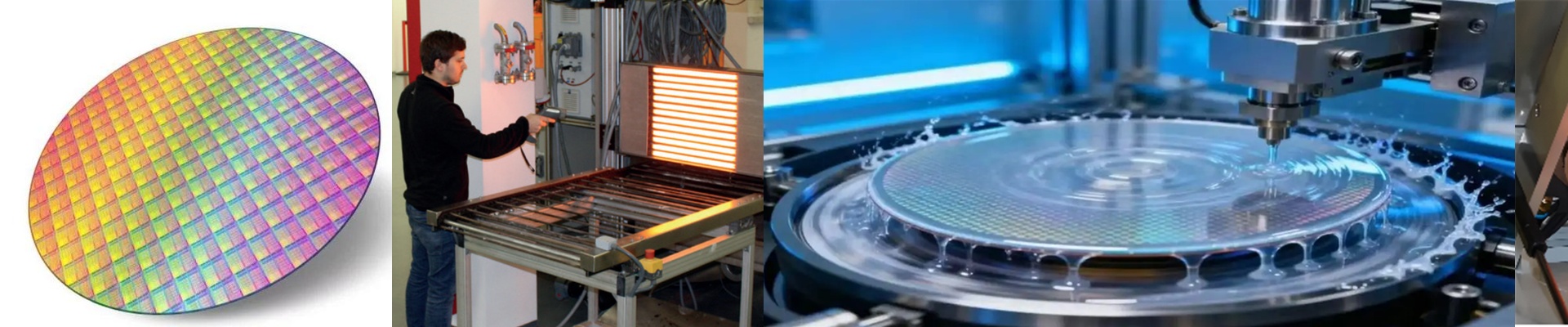
We’ve all dealt with standard resistive heaters. The problem? They’re sluggish. They take forever to heat up and even longer to cool down. When you’re trying to manage a PID loop, that lag is a nightmare. It muddies your data logs and makes the whole process feel like you’re steering a ship with a broken rudder. IR is different. It’s instant. Because these heaters react in real-time, we can plug them straight into your PLC. You aren’t just staring at a thermocouple and hoping for the best; you’re actually mapping the thermal profile of your wafer. It’s the difference between guessing the temperature of a room and knowing exactly where the hot spots are.
The Reality of Vacuum Ops
Running gear inside a vacuum isn’t without its quirks. For starters, outgassing is a real pain. No one wants contaminants ruining a clean process. To stop that, we stick to high-purity quartz and very specific coatings on the lamps to keep things pristine. Then there’s the power. You want to hit your target temps fast to keep the line moving. But here’s the catch: pushing high wattage into a tight vacuum space creates some serious localized heat. If your cooling jackets or heat sinks aren’t up to the task, you’re looking at warped seals or fried sensors. It’s a balancing act.
Making it Fit
Nobody wants a thermal setup that takes up half the cleanroom. By using shortwave IR, we can move the heat source much closer to the target. This means we can ditch the massive housings and bulky frames. It makes the whole system a simple drop-in replacement for those old, oversized setups. You end up with more wafers per square meter of floor space. Your layout becomes simpler, your footprint shrinks, and your workflow just… breathes.