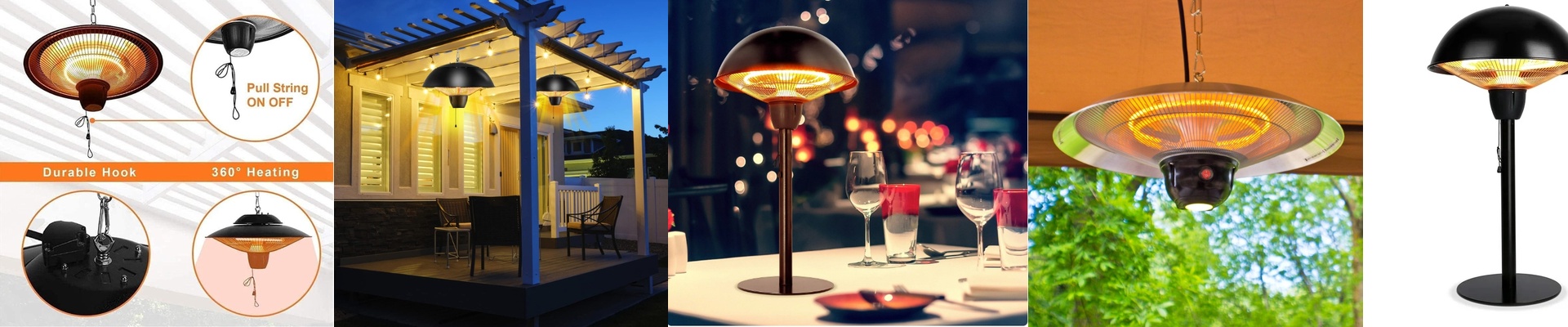

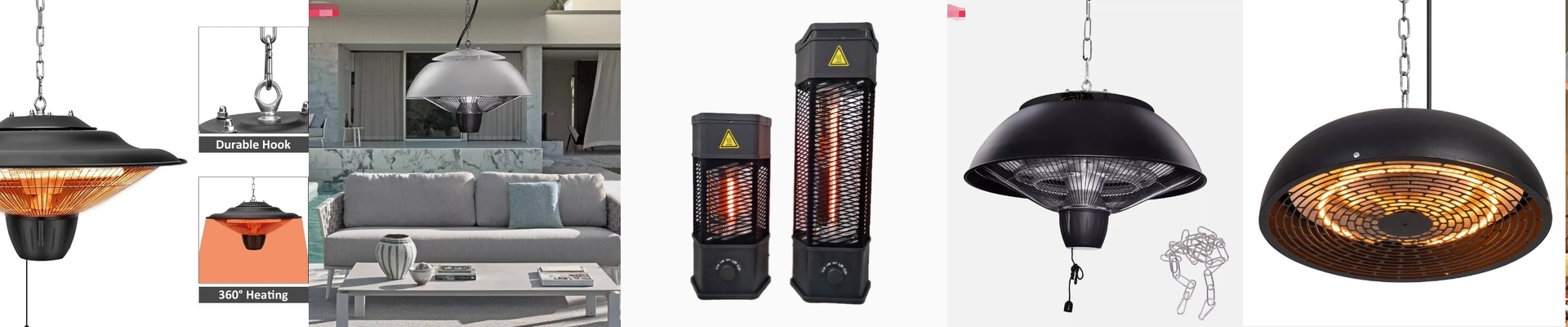


Step into a basement on a winter evening, and you feel it right away—the air is cold, still, and oddly thirsty. Forced-air systems push heat around, but they also strip moisture out of the space. That’s where the tight, drying feeling comes from, the kind that leaves skin and sinuses parched. Infrared basement electric heaters take a different approach. They warm the people and objects in the room, not just the air. The comfort you get feels more grounded because of it.
What matters, technically
Infrared warmth is radiant heat, delivered by quartz tubes or carbon fiber elements. The heater sends energy straight to floors, furniture, and walls, and those surfaces release heat back into the room. That means you bypass the constant air movement that speeds up moisture loss. A 1500-watt infrared unit puts focused warmth into about 150 square feet. It plugs into a standard outlet and uses a built-in thermostat to hold steady comfort without big temperature swings. Many models include tip-over protection and an overheat cutoff, and some carry an IP rating for damp areas.
Why this works in a basement
Basements are their own animal—comfort depends on both temperature and humidity. With radiant heat, you feel warmth almost instantly, and the air stays more stable. You get cozy corners without the dry, static-heavy environment that makes time downstairs uncomfortable. Energy use stays sensible because the heater warms what you actually touch, not every cubic foot of air. In practice, that translates to quieter operation, fewer drafts, and a more consistent feel from wall to wall.
The things you need to know
Infrared heaters do their best work when they have a clear line of sight to the spots you want to warm. They won’t heat through walls or closed doors, so placement matters. If you’re dealing with a larger basement, plan on two units or step up to a higher-wattage model. Keep the heater at least three feet from combustible materials and water sources, and follow local electrical codes for dedicated circuits. With the heater positioned thoughtfully, the warmth feels natural—and the air stays comfortably balanced.