
Stop the Heat Soak: A Smarter Way to Heat Semi-Conductor Cabinets
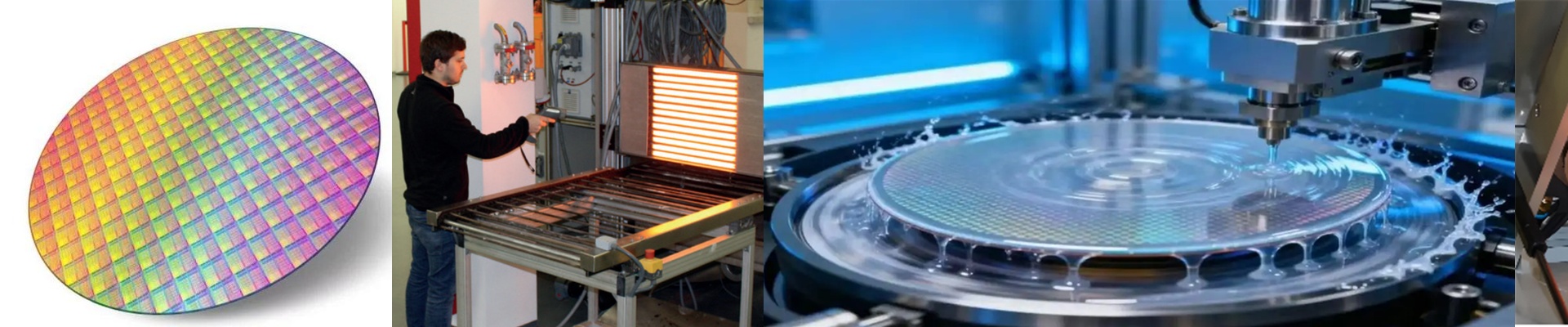
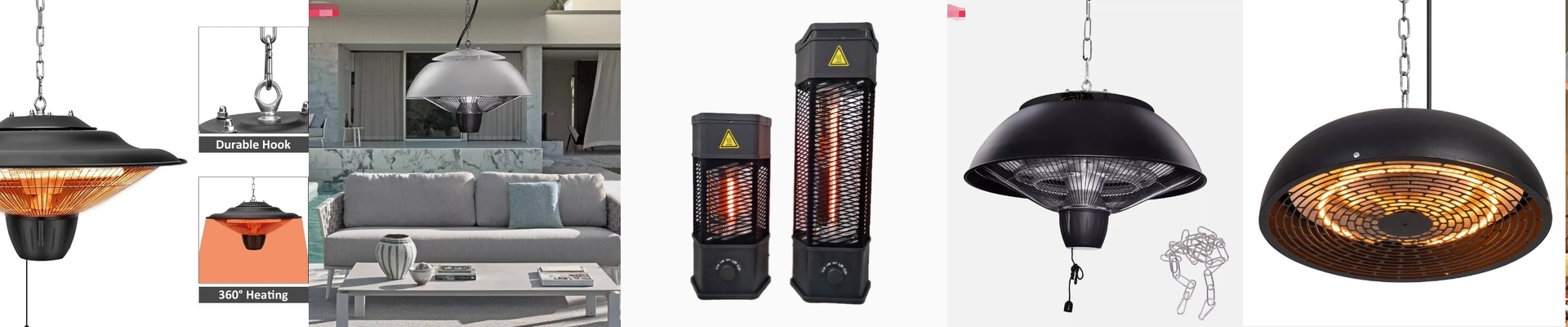
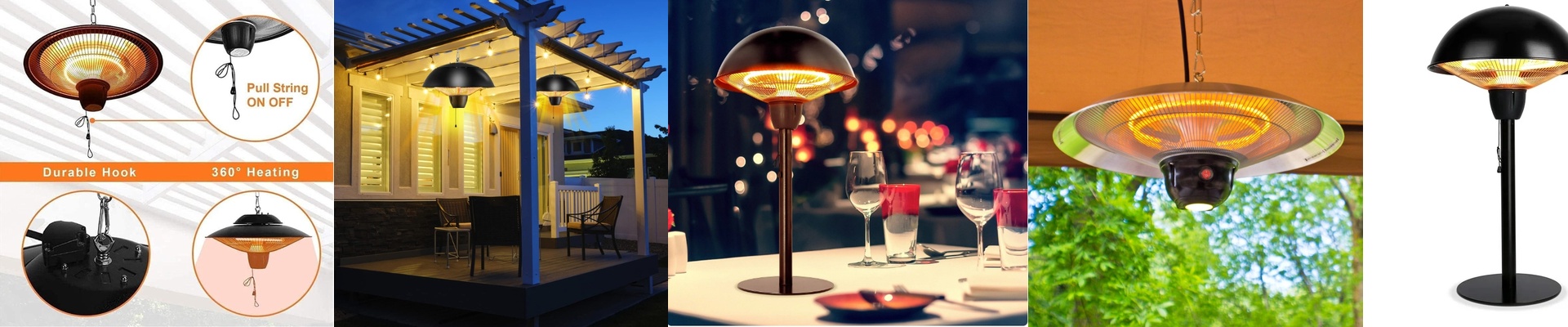
Most heating elements are a bit chaotic. They throw energy in every single direction—360 degrees of heat. In a tight semiconductor tool, that’s a problem. When that heat bleeds into the cabinet walls, you end up with those nasty “hot spots” that can burn an operator or trip a thermal sensor for no good reason. We fixed this by pairing short-wave infrared lamps with custom-built stainless steel housings. Here’s how it actually works. Think of the housing as a mirror. We use polished stainless steel to create a parabolic reflector. Instead of letting the heat soak into the machine’s frame, the housing bounces that IR energy straight onto the wafer or substrate. It puts the heat exactly where it needs to be. The result? Your ramp-up times get faster, and the inside of your tool stays way cooler. The nitty-gritty on the build. We use high-grade stainless steel because this stuff has to survive constant thermal cycling without warping. But the real secret is the interior finish. We mirror-polish the inside so the housing doesn’t absorb the heat itself. It stays cool to the touch while the target gets the full wattage. Plus, we build these to tight tolerances. You can usually just drop them into your existing frames without having to rebuild your entire chassis. A few things to keep in mind. The biggest win here is safety. Your operators aren’t going to accidentally touch a scorching inner wall. It’s a simple fix that makes the floor a lot safer. But there is a trade-off. Since you’re concentrating all that energy into one spot, the heat density on your target goes up. Just double-check that your substrate can handle that intensity without warping. And a quick tip: if your cooling fans are a bit small, you might still feel some heat creep, though it’s nothing compared to an open lamp. I’d also suggest wiring it to a precise PID controller. It’ll stop you from overshooting your temperature set point and keep things steady.