
Stop Letting Your Factory Dust Kill Your Heaters
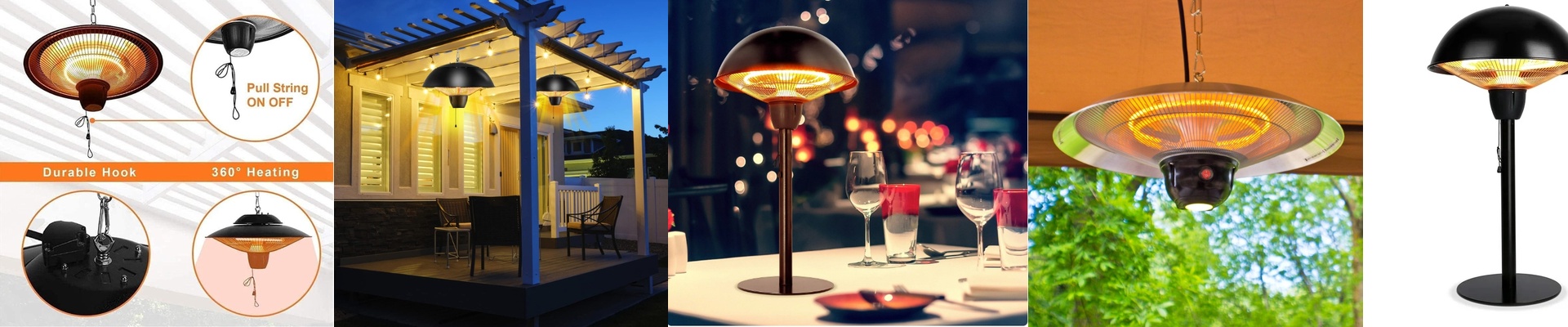
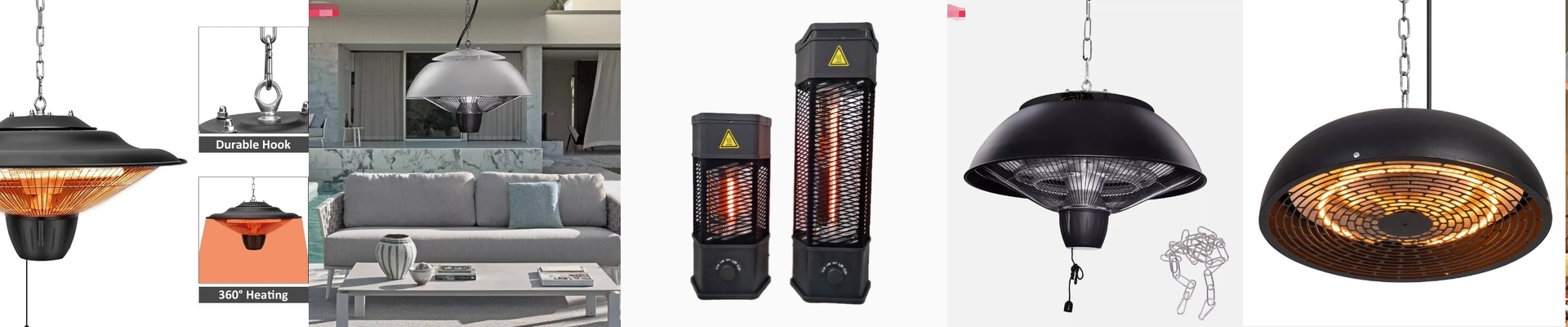
If you’ve ever run a shop floor, you know it’s a mess. Between the airborne grit, the condensation dripping from the ceiling, and the random splashes of oil, it’s a nightmare for equipment. Most ceiling heaters just aren’t built for it. They get hammered by the environment, and before you know it, your heating elements are burnt out. We got tired of seeing that happen, so we built our latest infrared series to actually survive the chaos.
The problem with quartz tubes
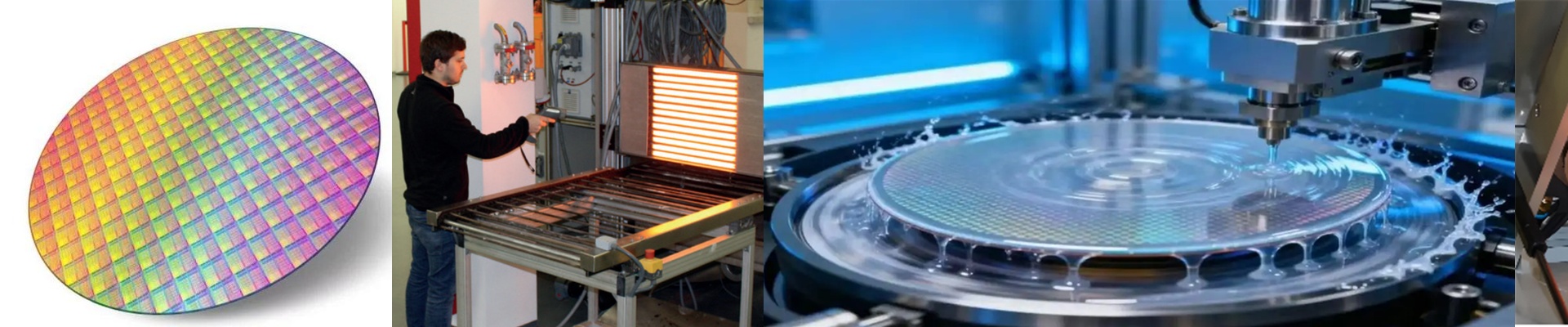
Here’s the thing about quartz glass: it can handle insane heat, but it’s incredibly fragile when it comes to “thermal shock.” Imagine a blazing hot tube. Now imagine a tiny drop of water or a mist of oil hitting it.Crack. It starts with microscopic fractures you can’t even see. But those little cracks grow. Eventually, the whole tube just gives up. To fix this, we added a specialized splash-proof housing. It’s not just a piece of plastic slapped on the front; it’s a barrier that lets the heat through while keeping the liquids out. Keeping those tubes dry is the only way to stop them from shattering.
It’s all in the connections
The glass is one thing, but the wiring is where the real headaches start. Humidity loves to creep into electrical terminals. Once corrosion sets in, you get resistance. That leads to overheating, and then—pop—your wire fails. We swapped the standard parts for sealed gaskets and moisture-resistant cabling. It’s a simple change, but it means your maintenance crew can stop playing “whack-a-mole” with burnt-out lamps and actually get back to running production.
The honest trade-off
I want to be upfront with you: adding a shield means you lose a tiny bit of that raw, direct heat. You aren’t getting 100% of the BTUs compared to a totally naked tube. You might need to hang the heaters a bit lower or bump up the wattage to get the floor exactly where you want it. But honestly? It’s a trade you should make every time. A tiny dip in initial heat is a small price to pay for equipment that actually lasts for years instead of months.