
Why we’re ditching hot air for IR in the fab
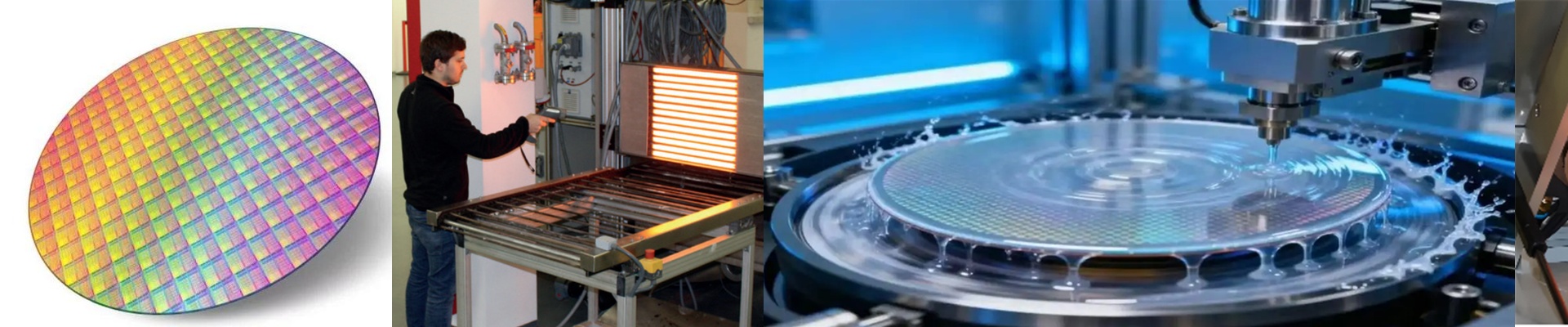
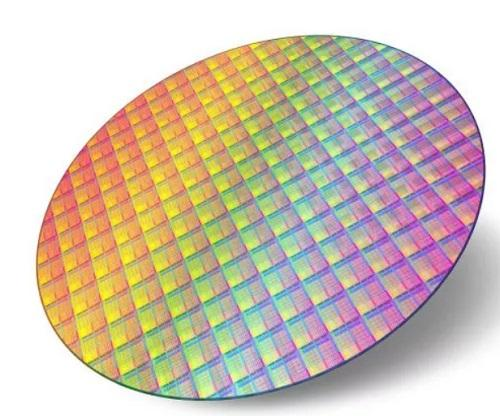
If you’ve spent any time in semiconductor processing, you know the drill with traditional hot air. You’re basically heating up a giant bubble of air and hoping it transfers that heat to the wafer efficiently. But there’s a lag there. It’s like trying to warm up a room with a space heater—the air has to get hot before the object does. Infrared (IR) heating just cuts out the middleman. It sends energy straight to the substrate. No waiting around for the air to catch up. The clock is always ticking The biggest headache with hot air is the wait. You spend minutes—sometimes way longer—just waiting for the chamber to stabilize. It’s a slog. IR lamps, on the other hand, are basically “instant-on.” You hit the switch, and you’re at your target temp in seconds. When you’re running a high-volume fab, this is where you actually win. Shaving just 30 seconds off a bake cycle might not sound like much, but when you multiply that by thousands of batches? That’s a massive amount of extra throughput. Getting the heat exactly where it needs to be We’ve all dealt with those annoying “cold spots” on a 300mm wafer. With air, you end up over-engineering the whole airflow system just to make sure the edges aren’t lagging behind the center. IR is different. We can arrange the lamps in arrays to hit specific coordinates. It gives us way more control over the thermal distribution without needing to move mountains of air around. Plus, the gear is smaller. You can get rid of those bulky blowers and massive ducts, which means you actually get some of your cleanroom floor space back. The catch (because there’s always a catch) Now, IR isn’t a magic fix for everything. Because the heat is so concentrated, it’s easy to accidentally cook your wafer surface if your PID controllers aren’t dialed in. You really need fast-response pyrometers to keep things from overshooting. And a heads-up on the power: those lamps pull a lot of current the moment they ignite. If your electrical panel is a bit old or under-spec’d, expect to trip a few breakers before you get it right.