
Keeping Your Birds Warm Without the Headaches
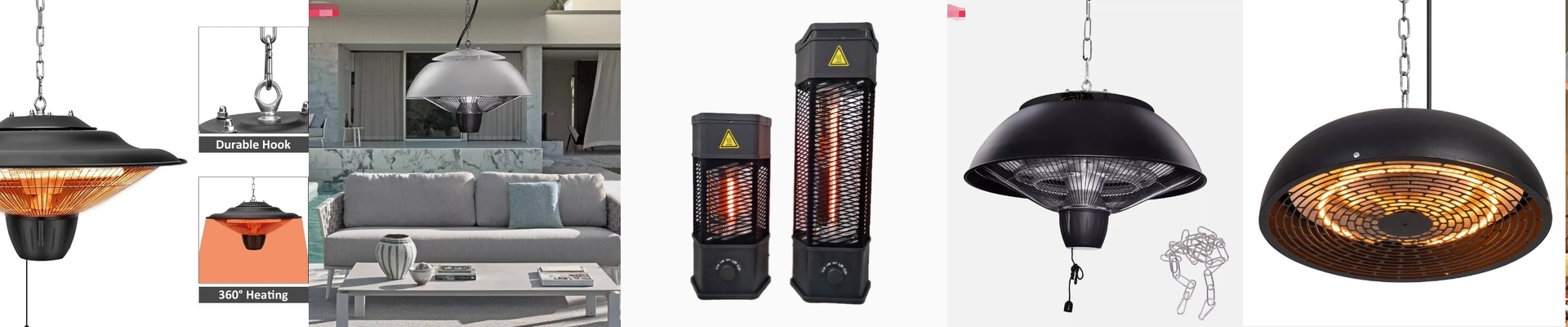
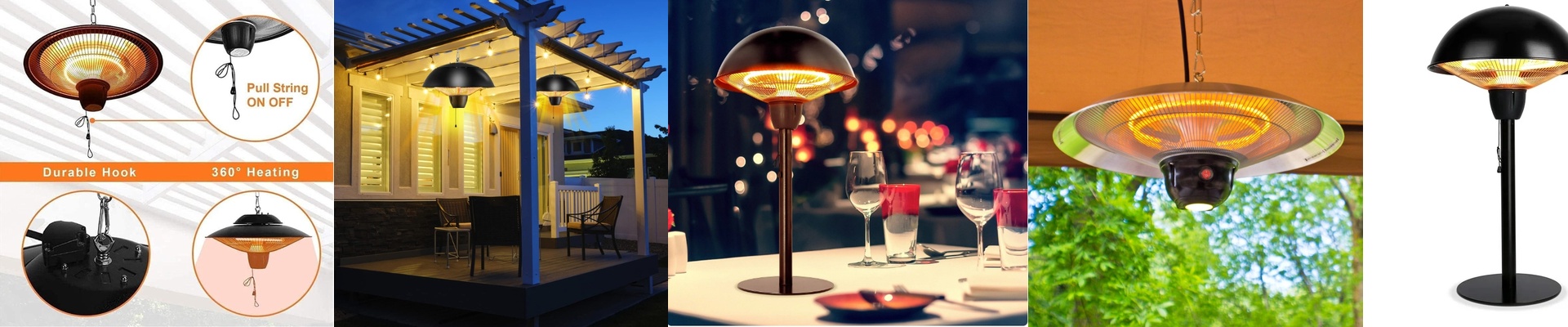
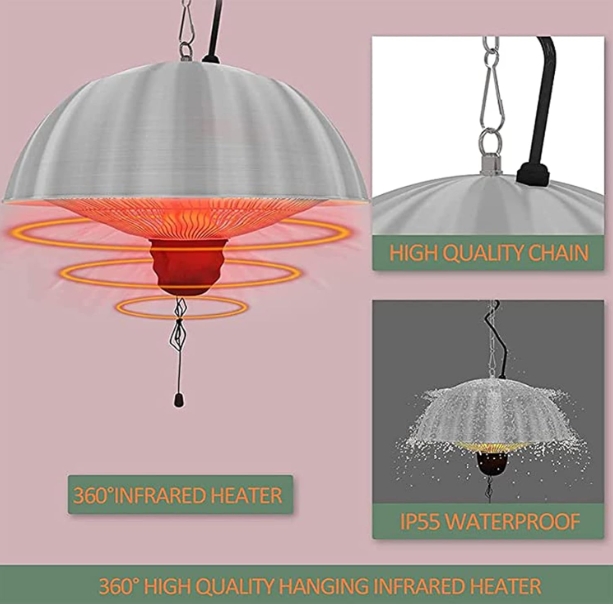
Let’s be honest: keeping a coop warm when it’s damp and freezing is a nightmare. You can’t just throw a heater in there and hope for the best. Between the humidity spikes and the inevitable water splashes during cleanup, most heaters just aren’t built for the chaos of a poultry house. That’s why we lean on shortwave infrared. Instead of trying to warm up all the air in the room—which usually just drifts away the second a draft hits—this tech sends heat straight to the animals and the floor. It’s fast. Really fast. You turn it on, and the birds feel it almost instantly. Dealing with the grime Coops are messy. You’ve got dust everywhere and ammonia fumes that eat through everything they touch. If your electrical connections aren’t sealed tight, you’re just asking for a short circuit. We use quartz glass tubes because they can handle the heat without corroding. The casing is built to shed water and stand up to those harsh fumes, so you aren’t replacing equipment every single season. But here’s the thing: you have to be smart about where you hang them. More wattage means more heat, but if the lamp is too low, you’re going to scorch your birds. Give them at least 2 to 3 feet of breathing room. Setting it up and keeping it running We designed these to be simple drop-in replacements for those old-school heat lamps. No need to rewire your whole life. We also beefed up the wiring because we know these cables get tossed around on the shop floor. One quick tip on the hardware: make sure your mounting brackets are heavy-duty. These units go through a lot of heating and cooling cycles, and cheap metal will eventually just fatigue and snap. And please, for the love of your flock, keep the tubes clean. When dust cakes onto the glass, the heat doesn’t move as well. Worse yet, it creates “hot spots” that can actually crack the glass. A quick wipe-down saves you a lot of trouble down the road.