

Making Your Table Heaters Actually Smart
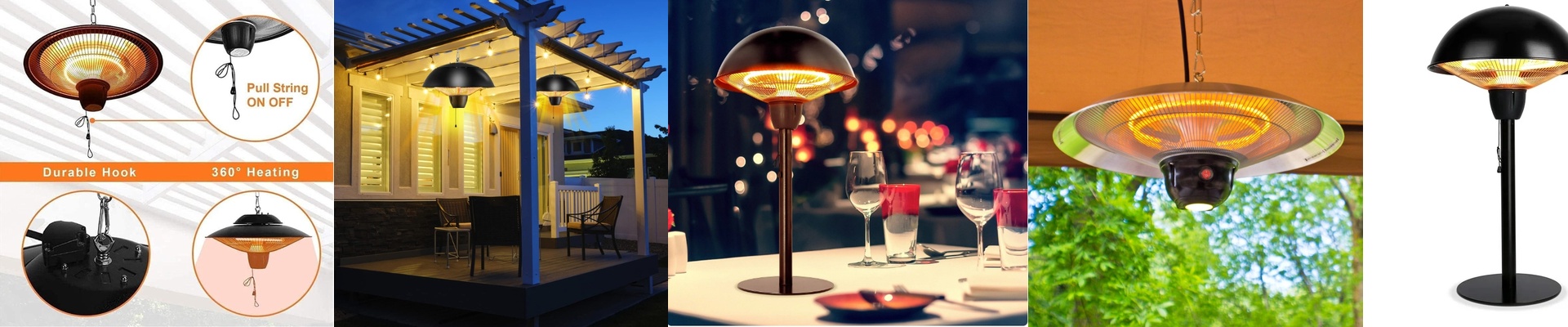
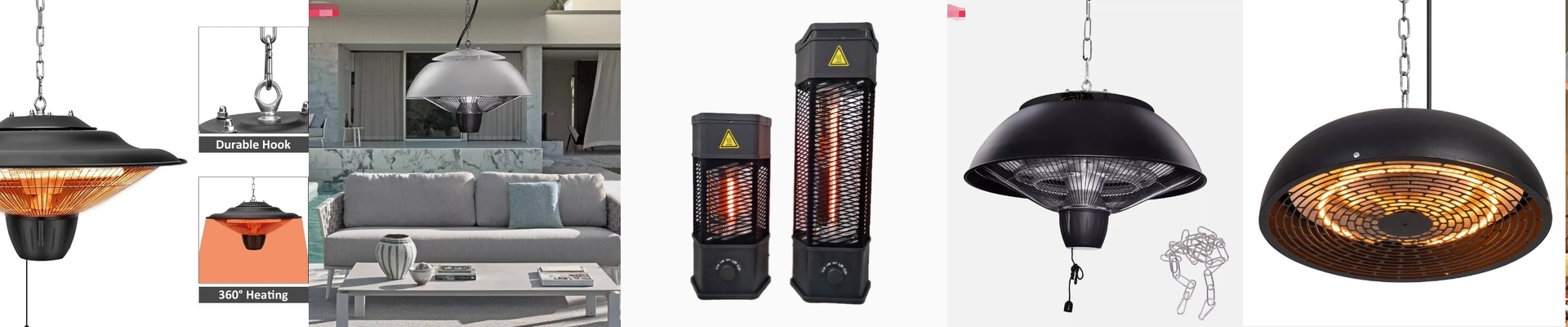
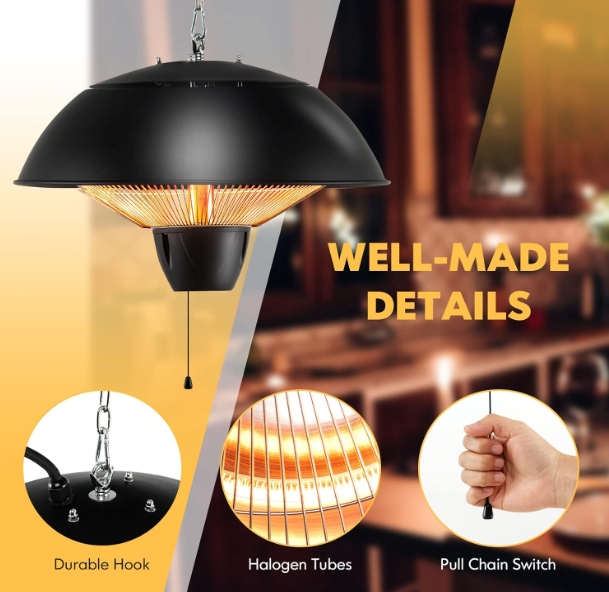
Ever notice how some heaters just blow lukewarm air around the room while you’re still shivering? That’s because they’re trying to warm the air first. These waterproof infrared heaters do things differently. They send heat straight to you and your furniture. It’s like standing in a patch of sunlight on a cold day. When you plug these into a smart home setup, you stop messing with clunky switches and start letting the house do the thinking for you.
How the Magic Happens
If you want that “instant spring” feeling the second you sit down, you’ll want to connect the heater to a smart relay—something using Zigbee or Matter. Here is how it works in plain English: a little sensor in the room notices it’s getting chilly. It pings the relay, and boom, the heater kicks in. There’s no waiting around. No humming for ten minutes while oil warms up. The ceramic or tungsten elements hit their stride in milliseconds. It’s fast. Really fast.
Dealing with Spills and Heat
Since these sit on tables, let’s be honest: someone is going to spill a drink on one. That’s why we stick with an IPX4 rating or better. We use silicone gaskets and special coatings on the circuit boards so a splashed cocktail doesn’t turn into a disaster. But there’s a catch. You can’t just seal the thing in a plastic box, or the electronics will literally cook themselves. We use vented heat sinks—basically clever gaps that let the heat escape but keep the liquids out.
The One Big Mistake to Avoid
Here is the thing about smart home gear: not all plugs are created equal. Infrared lamps pull a lot of power. If you try to run a 2000W heater through a cheap 10A smart plug you found on sale, you’re going to melt the contacts. It’s a recipe for a bad day. Instead, use a heavy-duty contactor. Think of the smart switch as the “finger” that pushes the button, and the contactor as the “muscle” that handles the heavy electrical load. It keeps your smart hub safe and your house from smelling like burnt plastic.