
Why IR Lamps Beat Hot Air in the Rinse Stage
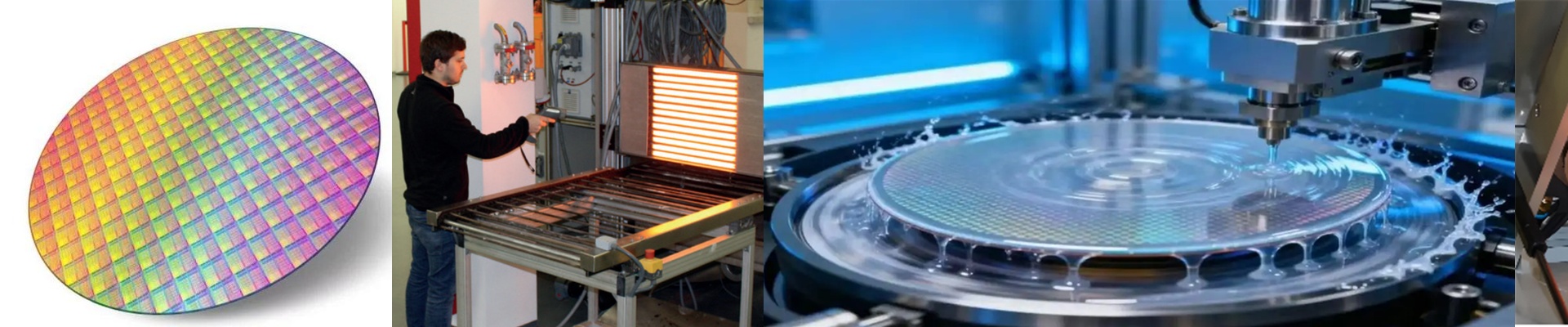
If you’ve spent any time in semiconductor processing, you know the rinse stage is usually where everything slows down. It’s the classic bottleneck. For years, we’ve relied on hot air circulation. But here’s the problem: you have to heat up the entire volume of air in the chamber before the wafer even notices a temperature change. It’s slow. It’s tedious. That’s why we’re moving toward waterproof infrared (IR) lamps. They just get rid of that annoying lag. The wait is the worst part Hot air has what engineers call “thermal inertia.” In plain English? It takes forever to get moving. You’re basically sitting around waiting for the chamber to hit a specific number. IR lamps don’t play that game. They shoot electromagnetic radiation straight at the wafer surface. It’s a direct hit. The heat transfer happens almost instantly. For the person running the line, this means your cycle times drop and you don’t need a massive piece of equipment taking up half the floor. Keeping the water out Now, putting a lamp in a rinse zone sounds like a recipe for a short circuit. Moisture is the enemy here. To make this work, we use specialized quartz envelopes and sealed end-caps. It keeps the water where it belongs—outside. A standard lamp would just crack or blow out the moment it hit that thermal shock, but these specs keep the filament safe and dry while the spray is flying. The catch (because there’s always one) IR is fast, but it’s picky. Unlike hot air, which wraps around your part like a blanket, IR only heats what it can actually “see.” If your lamps aren’t positioned just right, you’ll end up with cold spots and uneven drying. You also have to make sure your power supplies can handle the rapid cycling. High heat density means the equipment has to be up to the task. What this actually means for your throughput At the end of the day, switching to IR isn’t about some fancy technical spec. It’s about time. You’re cutting your warm-up window from minutes down to seconds. When you’re trying to scale production, that’s a massive win. It just makes the whole process feel smoother and a lot less frustrating.