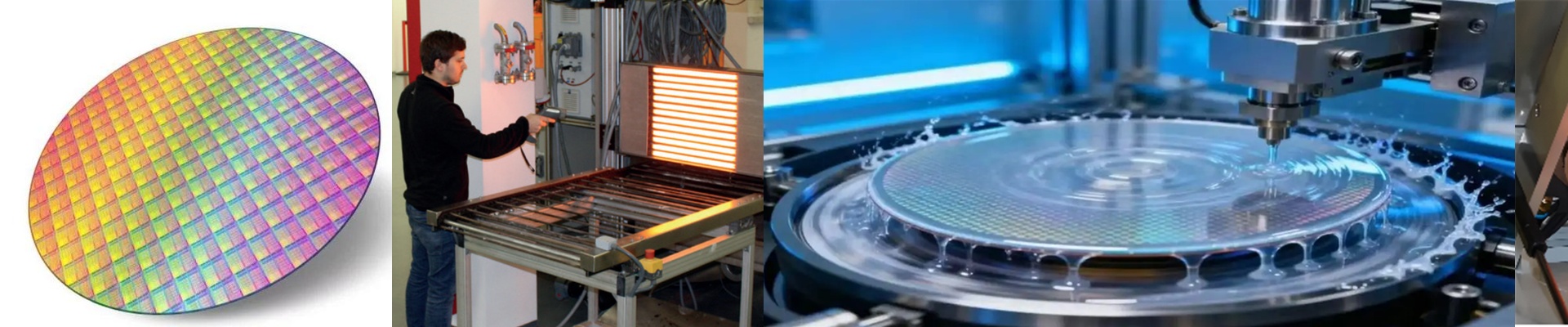
A little dust in the wrong place can blow a week’s calibration. A stray air current can push your temperature curve off spec and wipe out a production run. In display windows and high-precision labs, heat needs to show up clean, quiet, and right where you point it.
What matters under the hood
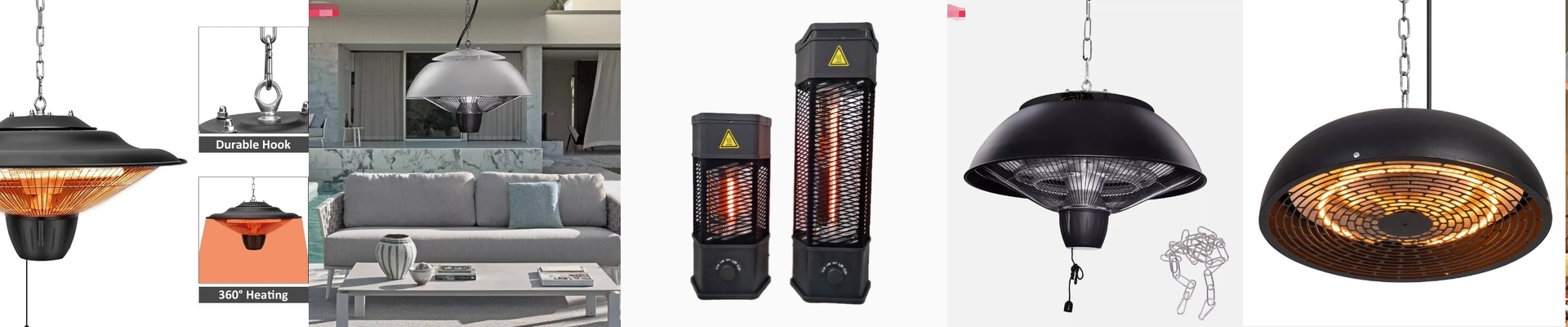
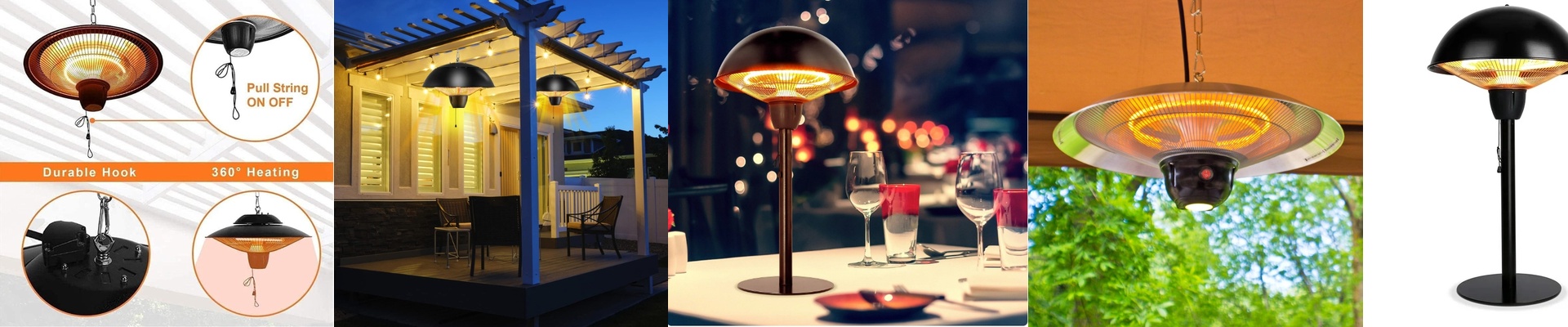
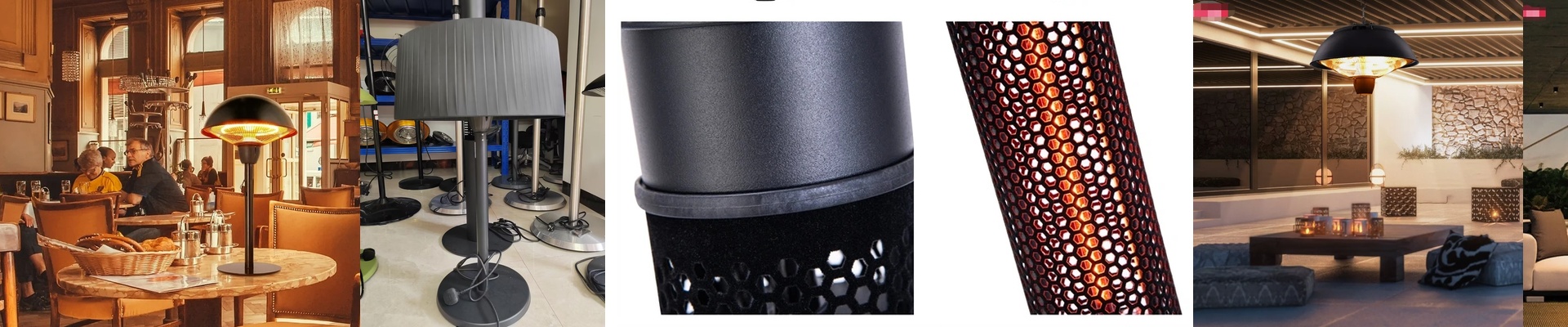
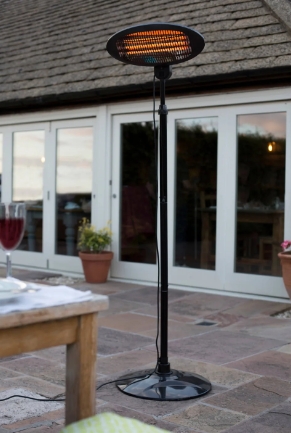
We built this electric heater on infrared radiant warmth, running through a sealed quartz tube and a carbon fiber element. Heat goes straight to people and objects without forcing air around, so there’s no fan to kick up dust and no drafts to throw off sensitive gear. It runs on standard power, pulls a predictable load, and pairs with a straightforward app for setpoint control, schedules, and live status. For steady, repeatable operation, it’s got an integrated thermostat and overheat protection.
Why it fits these spots
In a display window, you want comfort and visibility without glare or moving air that makes fabrics and finishes look off. In a lab, you want stable ambient conditions that keep samples, instruments, and staff in a repeatable thermal zone. Infrared gives you spot control that doesn’t disturb the surroundings, and the app lets you lock in a consistent temperature window—then adjust remotely when the workday shifts. The payoff is fewer parameter drifts, less cleaning around sensitive areas, and fewer interruptions just to keep comfort where it needs to be.
What to keep in mind
Radiant heat is direct, so placement matters. Aim the heater at the area you want warmed, and keep clearances open for airflow and safety. The sealed design helps keep particulates out, but the unit still warms surfaces in its path—make sure line-of-sight is right for your setup. If you need coverage beyond a single zone, plan on multiple units and set each one independently through the app.