
Stop Heating Your Machine Walls (and Start Heating Your Parts)
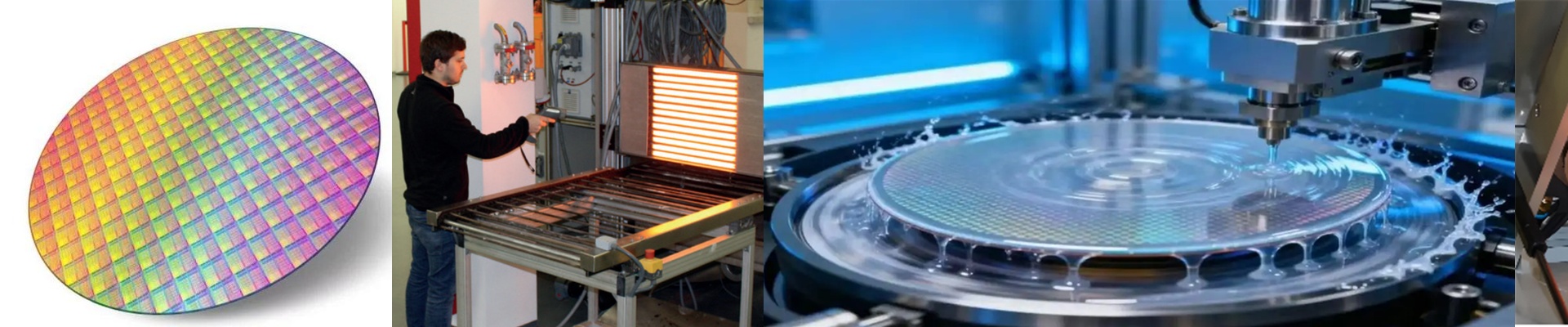
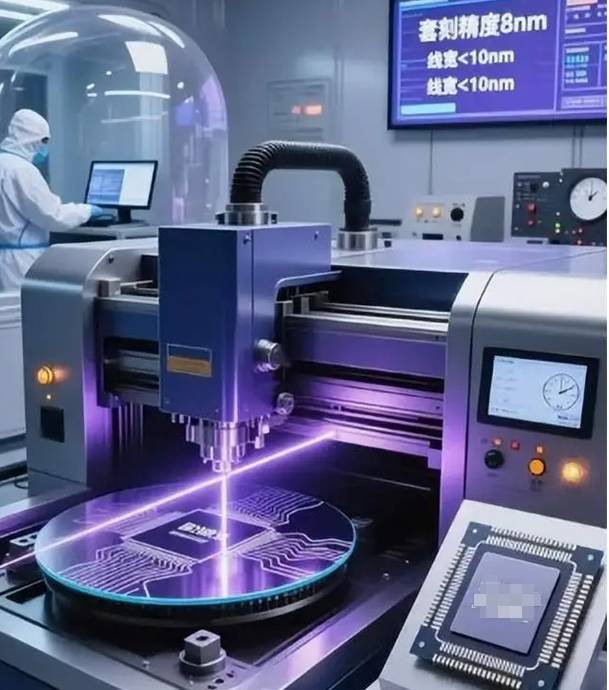
If you’ve spent any time around semiconductor gear, you know the “heat soak” headache. You turn on the convection heating, and suddenly the entire internal chassis is acting like a giant radiator. The outer walls get scorching hot, and you start worrying about your sensitive electronics frying just because they’re in the wrong spot. It’s a mess. That’s why we stopped relying on heat that goes everywhere and switched to directional infrared (IR). How it actually works Think of it like a flashlight instead of a lightbulb. Instead of warming up all the air in the chamber, IR lamps shoot electromagnetic radiation straight at the workpiece. The energy hits the wafer or substrate, and that’s it. The surrounding air stays relatively chill, and your equipment walls stop acting like a heat sink. You get the exact temperature you need where you need it, but the chassis doesn’t turn into an oven. Making it work in the real world The secret is all in the setup. Where you put those lamps dictates where the heat goes. We use reflectors to squeeze that energy into a tight beam, which completely kills that “hot wall” effect. It makes life a lot better for everyone. Your operators won’t get burned when they’re doing maintenance, and your facility’s HVAC system doesn’t have to work overtime to fight the heat leaking out of your tools. The trade-offs (because nothing is perfect) Now, here’s the catch. Directional heat is precise, but it can leave you with cold spots. If your part has a weird shape or complex geometry, one lamp isn’t going to hit every nook and cranny. To fix that, you’ll probably need a multi-lamp array or a fixture that rotates the part. Also, keep an eye on your lamps. They don’t last forever. If you don’t track the wattage drop over time, your process will start to drift, and you’ll be wondering why your results are off. But honestly? The trade-off is worth it. You hit your target temps way faster than you would with resistive heaters. You save energy, and more importantly, the inside of your machine stays safe.