
Keeping Your Bio-Sensors Spotless
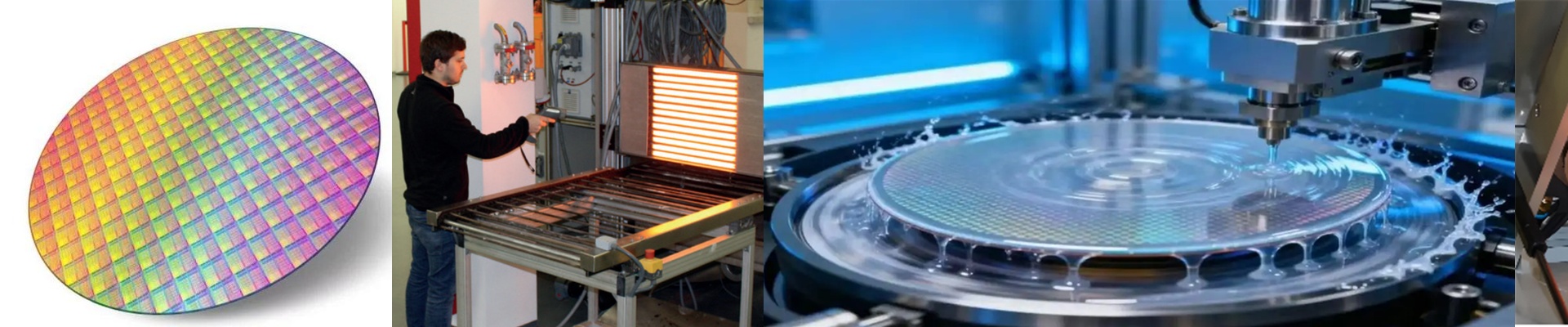
If you’re working in a Class 100 cleanroom, you already know the nightmare. One tiny speck of dust or a weird chemical fume from a heater, and your entire batch of sensors is trash. It’s frustrating. That’s why we stick with high-purity synthetic quartz infrared lamps. They just keep things clean. The problem with standard heaters Most heating elements are a bit messy. When they get hot, they tend to leak volatile organic compounds (VOCs) or shed tiny metallic bits. Not great when you’re chasing absolute purity. Our quartz glass doesn’t do that. It doesn’t off-gas, and it doesn’t react with anything. You get the heat you need, and your substrates stay exactly how they should be. No surprises. Heat that actually hits the mark We built these lamps to get up to temperature fast. Instead of wasting energy heating the air around the sensor, short-wave IR goes straight into the material. The best part? Your HVAC system doesn’t have to work overtime to fight the extra heat in the room. But a word of caution: these things are powerful. If you blast a substrate that can’t handle the shock, it’ll warp. To stop that from happening, we tweak the wattage and the focal length specifically for the thickness of your layers. It’s all about that balance. Setup and the “Oops” factor We use precision-machined end caps to seal everything tight. This means no halogen gases leaking into your production zone. And when a lamp finally burns out? You can just drop in a replacement and get back to work. It’s quick. Just… please tell your team to be careful. High-purity quartz is brittle. A tiny hairline crack—something you might not even see—will kill the lamp the second it heats up. **Pro tip:**Use lint-free gloves. Always. If you touch the quartz with your bare hands, the oils from your skin create hot spots. Those spots lead to the tube failing way sooner than it should. Keep it clean, keep it handled with care, and it’ll last.