
Why we’re moving away from hot air in cleanroom ovens
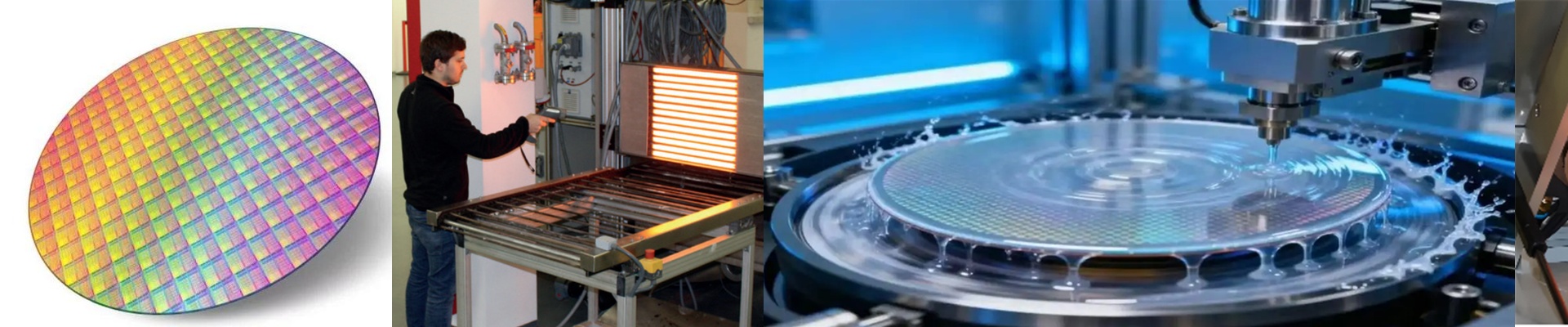
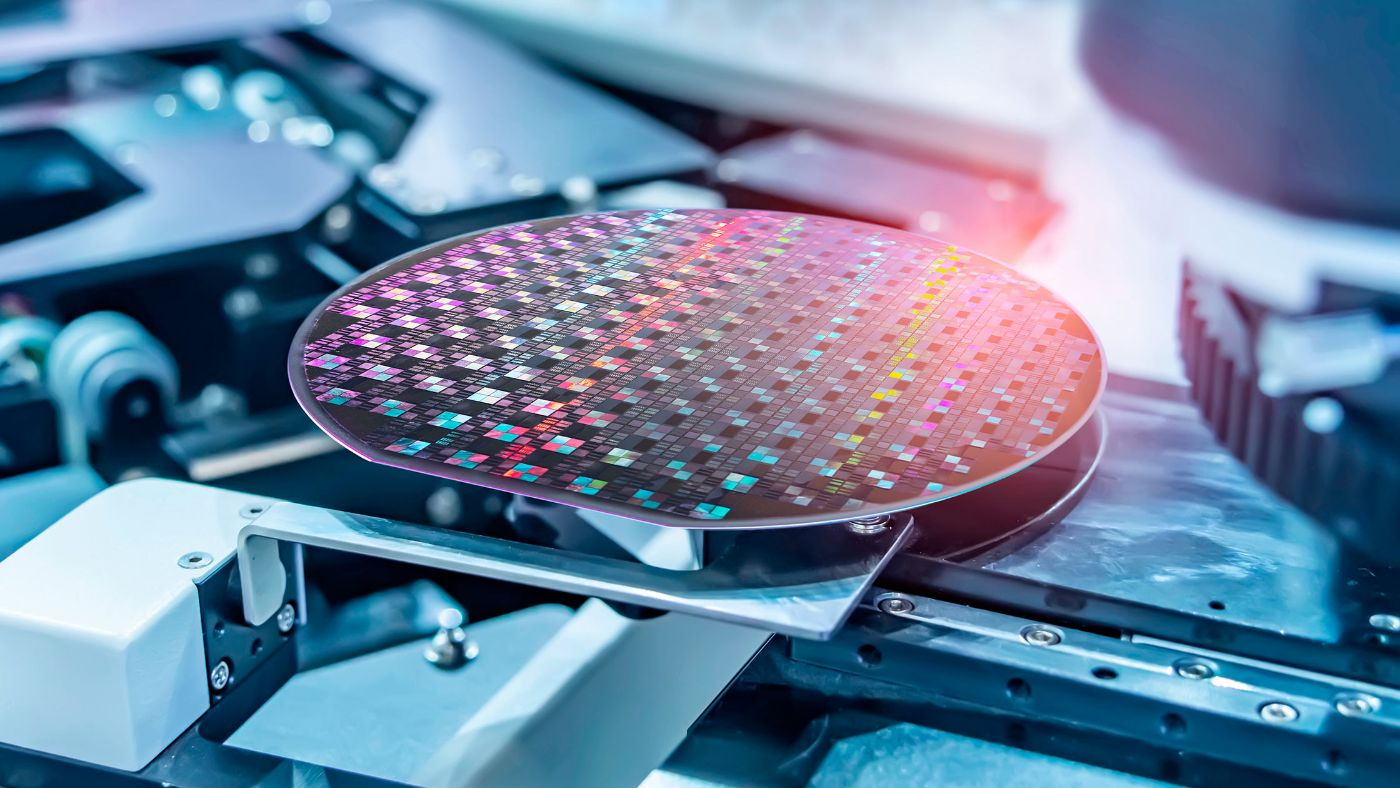
A lot of semiconductor lines are still stuck using forced hot air for curing and drying. Honestly? It’s a bottleneck. Think about it. Air is a terrible conductor. If you want to get a wafer or a component up to temp, you basically have to heat up every single cubic inch of air inside the oven and just… wait. You’re waiting for convection to do the heavy lifting, and that kills your momentum during ramps and soak periods. It’s a total time sink. The shortcut: Infrared Infrared (IR) heaters just skip the middleman. Instead of relying on a fan to push hot air around, IR uses electromagnetic radiation to send energy straight into the workpiece. It’s the difference between waiting for a room to warm up and stepping into the sun. We’re talking about cutting heat-up times from hours down to minutes. When you’re running a high-volume fab, shaving 30% off a curing cycle isn’t just a “nice to have.” It means you’re pushing more product through the door without having to build a bigger cleanroom. The catch (because there’s always one) Now, you can’t just swap out a heater and call it a day. IR is powerful—maybe too powerful if you aren’t careful. Because the heat density is so high, you can accidentally scorch the surface if your PID controllers aren’t dialed in perfectly. One wrong move and you’ve got “hot spots” that can warp a wafer. Then there’s the uniformity issue. Air flows everywhere; IR travels in a straight line. To get that same even heat across a big batch, we have to get creative with multi-bank heater arrays or use reflectors to bounce the energy around. It takes a bit more planning upfront. The bottom line At the end of the day, switching to IR is about stopping the bleed. You stop wasting electricity heating the oven walls, and you get your parts finished faster. If you’re scaling up, this is how you kill that annoying lag time that comes with old-school convection systems. It just makes sense.