

The Truth About Why Infrared Heaters Actually Fail
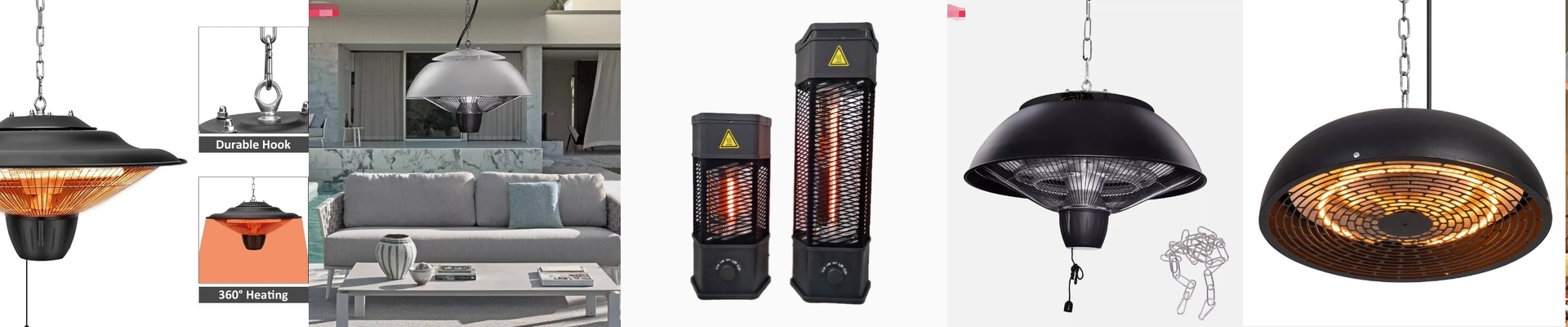
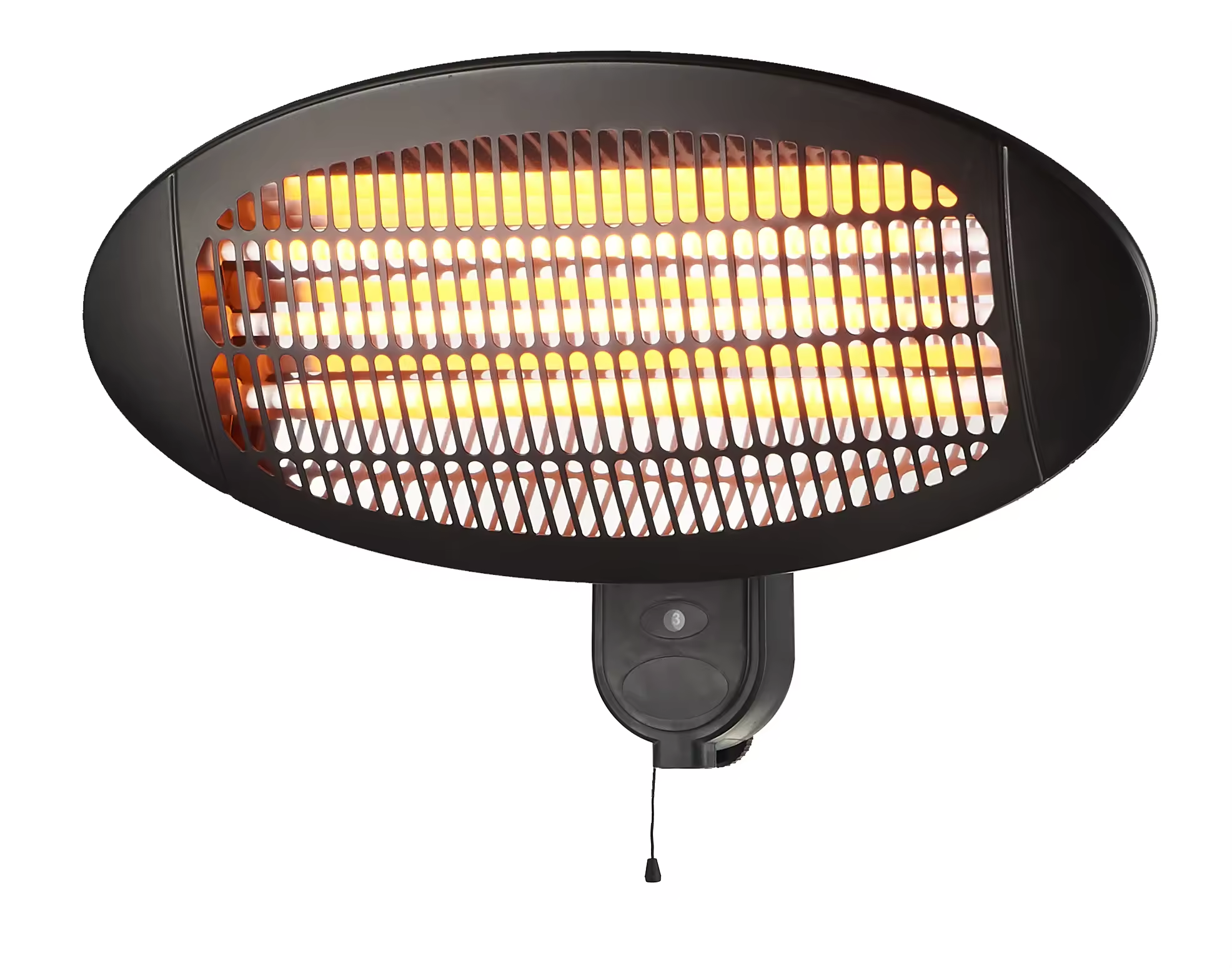
If you’ve ever dealt with high-ceiling infrared heaters, you know they take a beating. They live in a brutal environment. Here is the thing: most people think the heating element is what gives out first. It’s usually not. The real nightmare happens at the lead-wire junction. Since heat rises, it just pools right around those electrical connections. If the assembly is cheap, the insulation basically melts. Then you get a catastrophic short circuit, and suddenly your heater is a very expensive piece of dead metal hanging from the ceiling.
Why the cheap stuff doesn’t last
A lot of generic heaters rely on basic heat-shrink or some low-grade silicone. It looks fine on day one. But these materials just can’t handle the constant cycle of heating up and cooling down. Eventually, the insulation gets brittle. It cracks. Once that seal is gone, dust and moisture sneak in and create a path for electricity to go where it shouldn’t. Boom. Short circuit. Burn out.
How we actually fix it
We do things differently to stop that aging process in its tracks. First, we use a high-temp ceramic potting compound right where the wire enters. Think of it as a hard shell that keeps oxygen and moisture out. Then, we wrap the whole junction in glass-fiber braided sleeves that can handle up to 600°C. We also use high-pressure terminals to crimp the wires. Why? Because air gaps are the enemy. Air gaps create localized hotspots, and hotspots kill electronics. By squeezing everything tight, the temperature stays stable. It’s the difference between something built for a living room and something built for a factory.
A quick heads-up on installation
There is a trade-off here. Because this sealing is so heavy-duty, the wires are stiffer. Don’t try to bend them at sharp angles. If you kink the lead, you might crack that internal seal we worked so hard to build. You’ll want to make sure your conduits are clear and give the wires some room to breathe. It takes a bit more precision during the install, but it beats the hell out of replacing a burnt-out import every six months.