
Stopping the Energy Leak in Semi Fab Drying
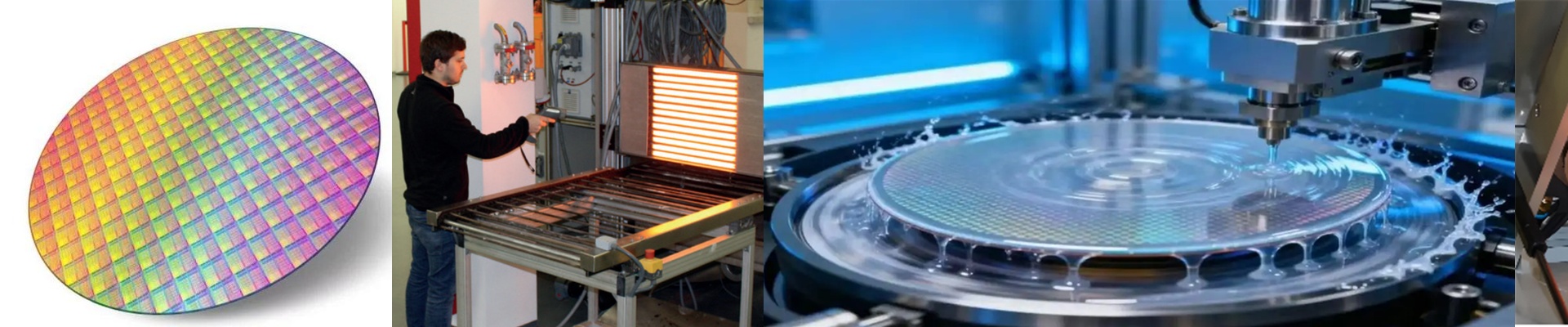
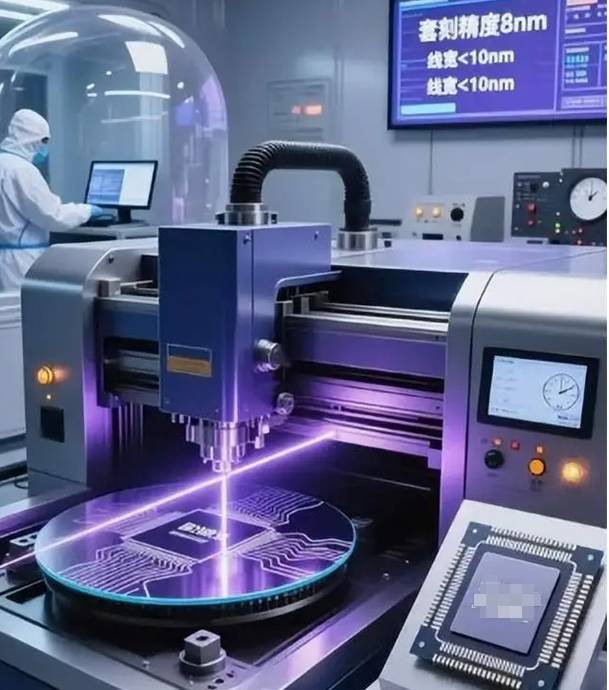
Let’s be honest: drying wafers is a nerve-wracking part of the process. You need the moisture gone, but if you push too hard, you risk ruining everything. For a long time, the go-to was the big oven approach. But heating up an entire chamber just to dry a few wafers is like heating your whole house just to warm up a slice of pizza. It’s a massive waste of power. That’s why we’ve moved toward digital IR dryer controllers. Instead of heating the air, we use radiant heat to hit the target directly. It’s cleaner, faster, and way better for your carbon footprint.
How the control actually works
A digital controller isn’t just a simple on-off switch. It’s more like a dimmer switch that thinks for itself. Using things like PID loops or PWM, the controller constantly tweaks the power going to the lamps in real-time. Why does that matter? Because in this business, a 5°C overshoot can kill a whole batch. It’s a nightmare. We set these controllers to be incredibly tight, so the lamp only pulls the exact amount of current needed to hit the mark. No guessing, no swinging, just steady heat.
Cutting the carbon (and the wait time)
Everyone is pushing for “green factories” right now, which usually just means using fewer kWh per wafer. Since IR systems heat the substrate and not the air, your ramp-up time drops from minutes to seconds. It’s night and day. When the lamps spend less time running, you stop wasting energy on “idle heat”—that annoying leftover warmth that convection systems just bleed into the room. Pair high-efficiency shortwave lamps with a smart controller, and you’ve suddenly cut a huge chunk of waste out of your cleanroom.
The stuff they don’t tell you in the brochure
Look, precision isn’t free. When you go digital, you’re going to deal with electrical noise. If you don’t shield your signal cables properly, that noise can mess with your other sensitive fab gear. It’s a pain, but it’s fixable. Also, keep an eye on your fans. IR lamps pack a ton of heat into a small space. If your airflow isn’t beefy enough to handle the wattage, your bulbs are going to burn out way faster than they should. If you want to prove the savings to your bosses, just wire these controllers into your existing PLC network. You’ll get real-time energy numbers that make carbon audit reports a breeze to write.