
Keeping Things Safe: Gold-Coated IR Lamps in Chemical Cleaning
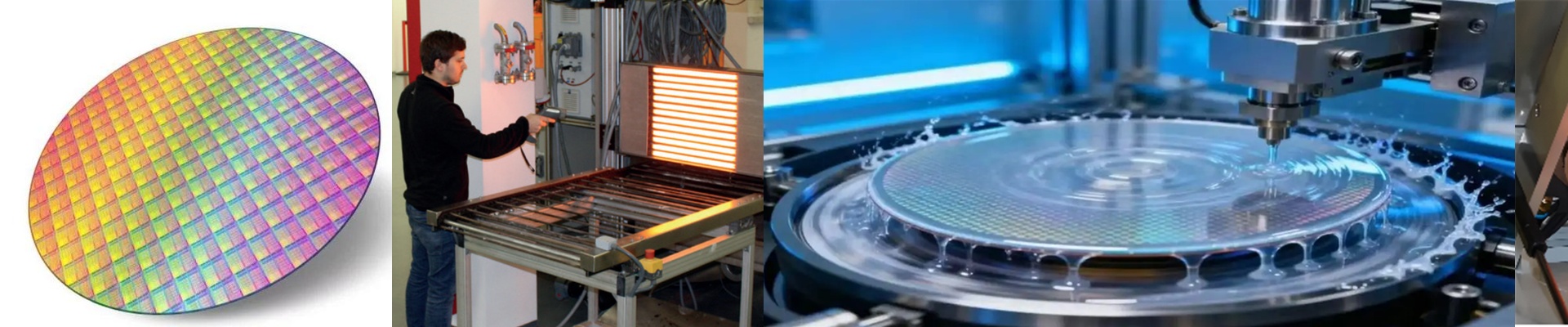
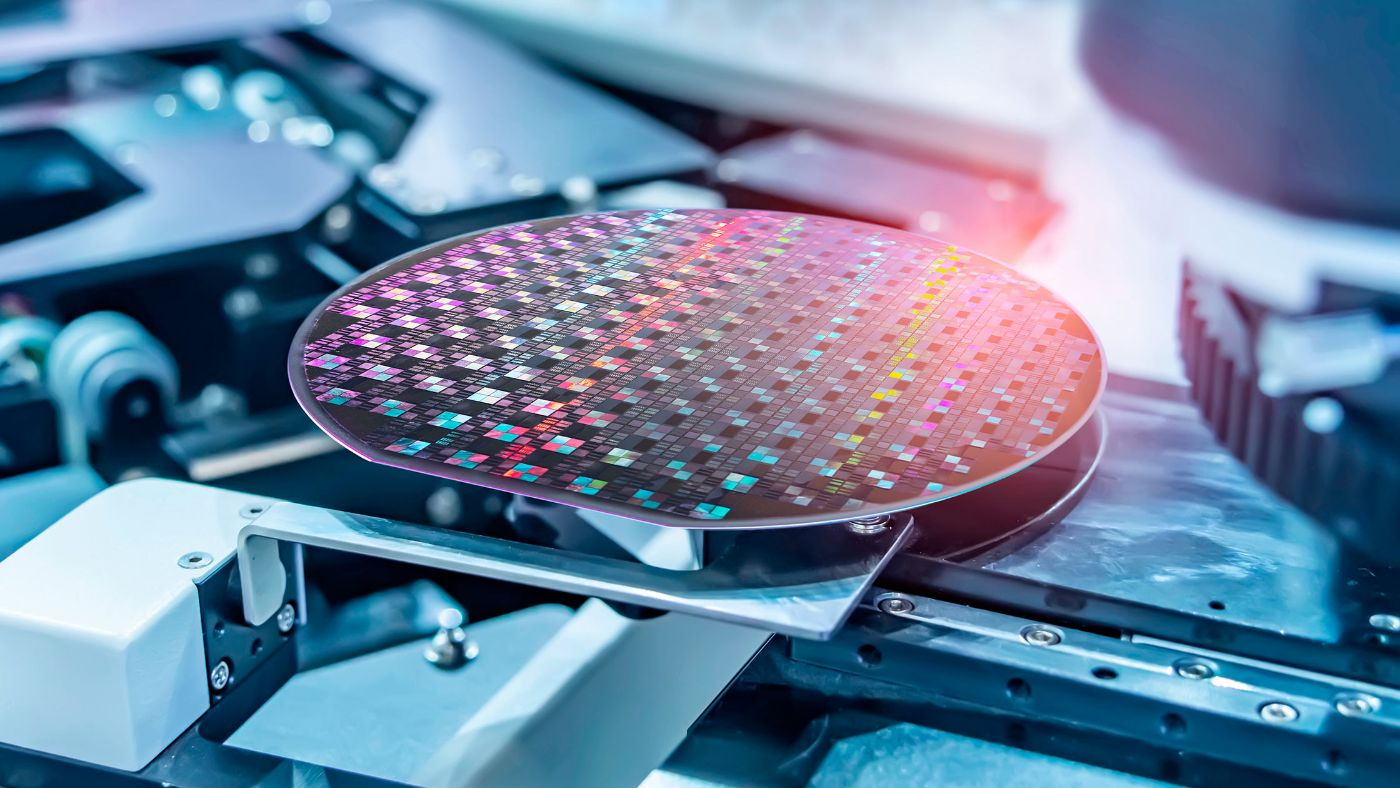
When you’re working with semiconductor fab lines, you’re usually dealing with solvents that really don’t like heat. They’re volatile. They’re flammable. And when you drop a high-temp infrared source into that mix, “ignition” becomes the only word on your mind. To stop a bad day from happening, we do two things: we use gold coating and some pretty intense hermetic sealing. Why the gold? Here’s the thing about standard quartz lamps—they waste a lot of energy on long-wave radiation. It’s just gone. By adding a thin layer of gold to the quartz, we basically tell that energy to turn around and go back into the filament. This pushes more heat into the short-wave range. The result? You hit your target temperatures way faster. You get that punch of heat density you need without having to crank the wattage so high that you melt your own housing. Dealing with the “Danger Zone” Standard lamps have a weakness: the end caps. That’s where heat leaks and electrical arcs love to happen. In a room full of chemical vapors, one tiny spark is all it takes for things to go sideways. We don’t take chances here. We use high-grade quartz-to-metal transitions and specialized potting compounds to seal everything tight. It creates a physical wall between the electricity and the air. We spec these seals specifically so chemicals can’t get in and sparks can’t get out. The trade-offs (because nothing is perfect) These lamps are rock-solid when it comes to the thermal footprint, which is exactly what you want for wafer processing. But, there’s a catch. The gold coating is delicate. If your maintenance team goes in there and scrubs the quartz with something harsh, they’ll strip the gold right off. Once that happens, your efficiency tanks. And a quick tip on the power side: keep it clean. High-wattage IR lamps hate voltage spikes. I’d strongly suggest using a dedicated SCR controller so you don’t fry the filament the moment you flip the switch. Oh, and make sure your housing is vented properly. You’ve got to give that heat somewhere to go so it doesn’t bake the seals.