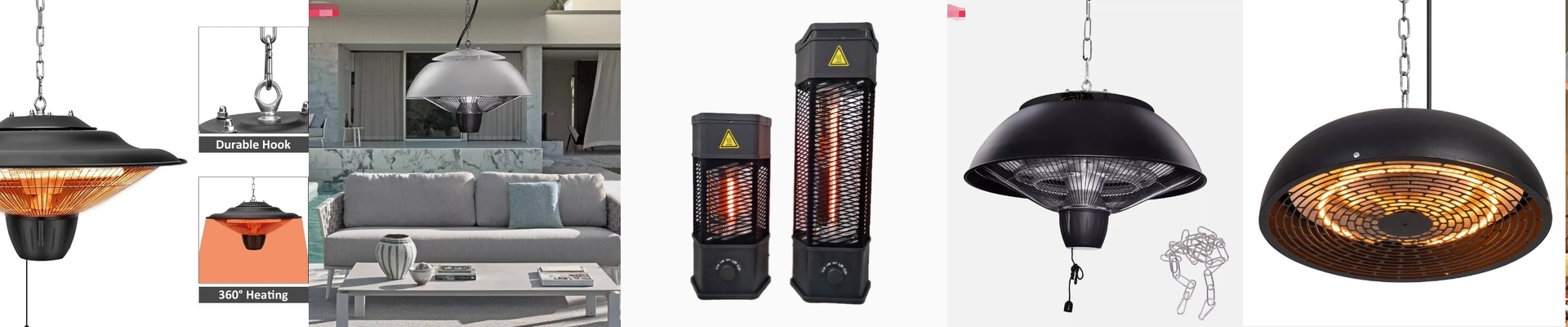

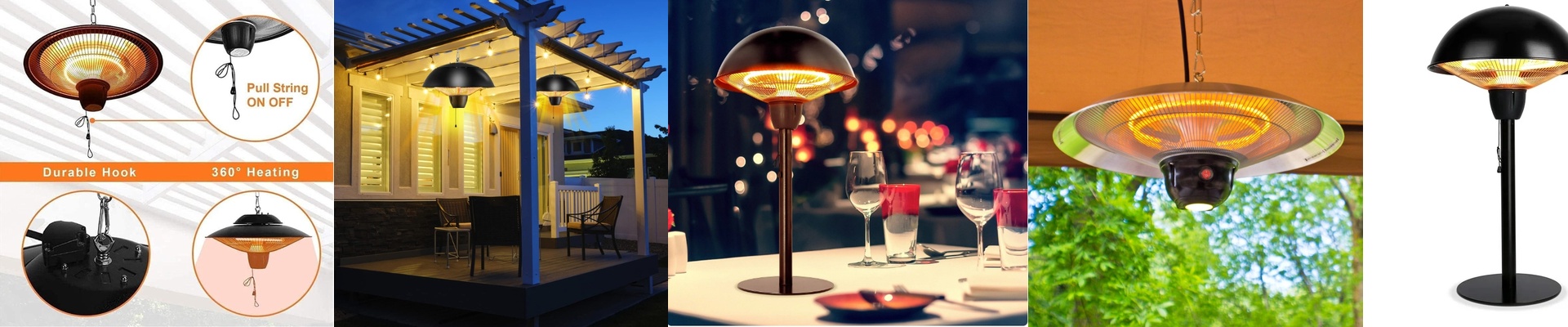


When winter settles in, the frustration isn’t just the cold—it’s watching old-school electric heaters push your energy bill up while the room still feels drafty. Switch to modern infrared electric heaters, and the difference is immediate. They warm people and surfaces directly, not the air. In practice, a lot of homes and workshops get the same even, comfortable warmth for 30–40% less running cost compared with electric oil-filled radiators. Infrared puts the heat where it matters—on you, your furniture, your floor—and stops wasting watts heating air that just leaks away.
What matters, technically
Infrared heating runs on radiant energy, delivered by elements like quartz tubes or carbon fiber panels. We build our units as efficient electric heaters, typically pulling 600–1500 W on standard 120 V circuits, with 240 V options available for OEM configurations, and we include a built-in thermostat for steady comfort. The physics is straightforward: the heater surface hits a high temperature and emits long-wave infrared warmth—think of the sun’s feel without the UV. You get immediate, directional heat, often felt within seconds, instead of the slow warm-air creep you get from oil-filled units.
Why it works in the real world
If you’ve ever sat near an electric oil-filled radiator and still felt a chill around the ankles, you already know the gap. Infrared closes it by sending warmth that cuts through the air and lands on you. In living rooms, covered patios, and workshops where doors open and close, comfort stabilizes faster, and the thermostat isn’t constantly chasing temperature swings. Fewer on/off cycles can mean lower energy use, and the core components are simple, so maintenance stays minimal—solid for home use and for private-label projects coming out of an OEM electric heater factory.
What you need to know
Infrared warmth works best with a clear line of sight to the people and surfaces you want to warm; it won’t heat a room behind closed doors or around obstacles. For full-room comfort, size the infrared unit properly, pair it with good insulation, and pick an IP rating suited to damp areas if you’re running it outdoors. And because the heating element runs hot, clearances matter—keep combustibles at the recommended distance. Set up right, infrared heating gives you responsive, cozy warmth with a noticeably lighter hit on your electricity bill.