

Stop Wasting Heat: Why Gold-Coated Twin Tube Lamps Actually Work
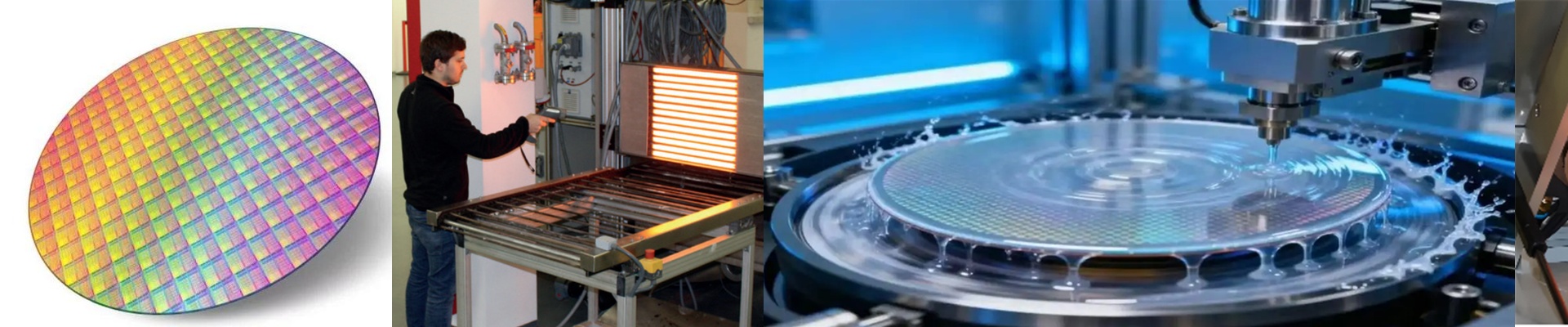
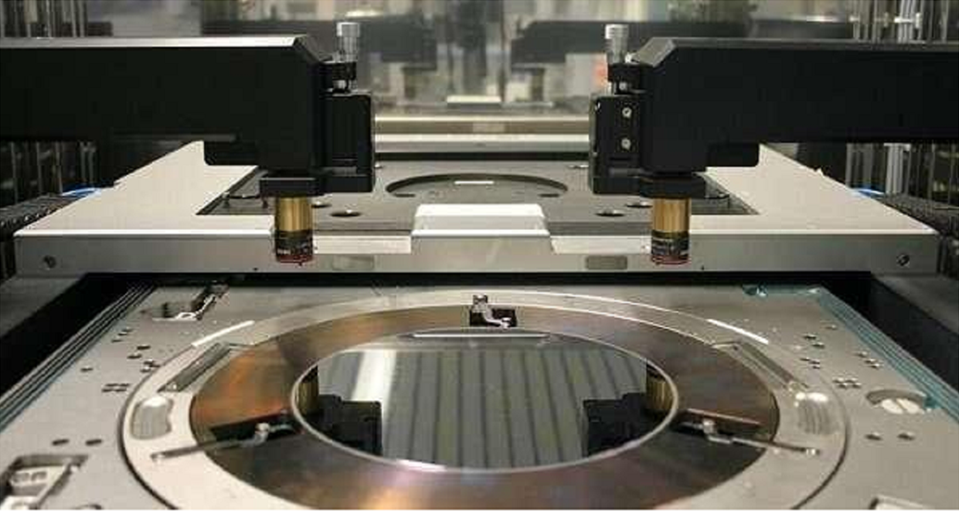
In a semiconductor fab, temperature is everything. If your thermal control is off by even a hair, you’re looking at ruined wafers. But here’s the problem: most heating systems are incredibly leaky. They pump out a ton of energy, but a huge chunk of that heat never even hits the wafer—it just warms up the tool chassis and drives your electricity bill through the roof. That’s where these gold-coated twin tube IR lamps come in. The magic of the gold coating Standard quartz lamps are a bit too “broad.” They throw heat everywhere. By adding a gold coating, we basically tell the heat where to go. The gold acts as a filter. It bounces back the wavelengths that aren’t useful and concentrates the energy into a specific infrared band that the substrate actually wants to absorb. It’s a lot more surgical. You get the heat exactly where it needs to be, and you stop heating the air around the machine. Why the “Twin Tube” matters We went with a twin tube design because it gives us way more surface area without taking up more space. This is a big deal for your power density. We can push more wattage through the system without worrying about the filament burning out. Plus, if you’re trying to hit those “green factory” goals, this is your best friend. The lamps ramp up fast. Really fast. That means less time spent idling and wasting power while you wait for the system to reach temperature. The catch (and the payoff) These are designed to be drop-in replacements, so you don’t have to rebuild your entire heating bank. But a quick heads-up: because these lamps are so much more efficient at dumping heat, you need to check your cooling manifolds. If your airflow is too weak, things can get too hot in the housing, and that’s a headache nobody wants. Just make sure your cooling is up to the task. At the end of the day, this is just a smart mechanical fix. You aren’t messing with your process chemistry or changing how you make your chips. You’re just plugging an energy leak and cutting down the kilowatt-hours per wafer. Simple as that.