
Keeping Your Wafers Clean: Why IR Lamp Design Actually Matters
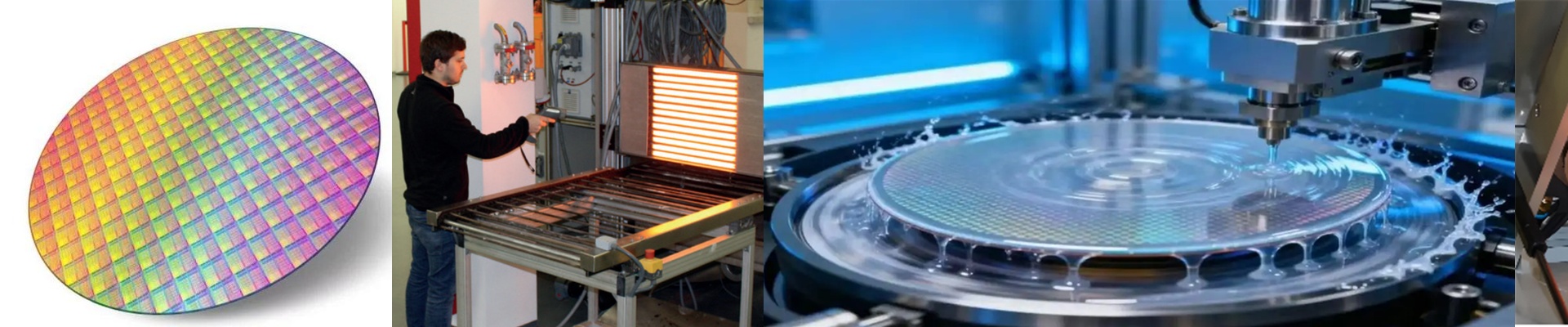
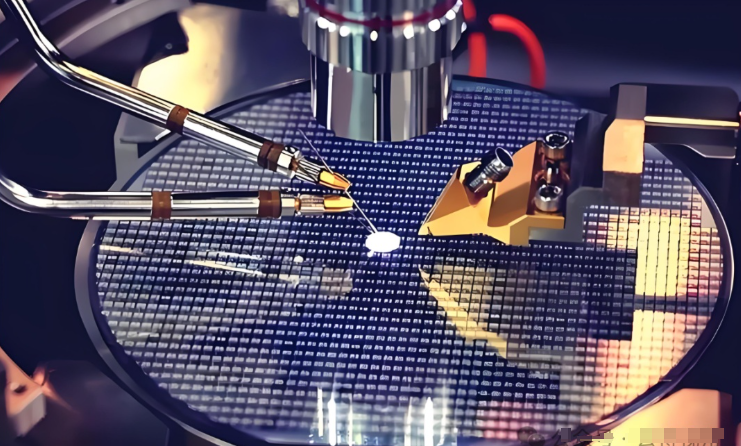
In a high-load fab, a lamp failure isn’t just a technical glitch. It’s a nightmare. Imagine an IR tube bursting right over a silicon wafer. You’ve got glass shards and halogen gas raining down, and suddenly, you’re dealing with secondary contamination that can scrap an entire batch. It’s a mess. We build our heating systems specifically to stop that from happening, using a mix of smart geometry and high-purity aluminum. The secret is in the reflector. We use deep-drawn, high-reflectivity aluminum for the housings. Now, most people think the reflector is just there to bounce heat back onto the wafer. Sure, it does that. But it’s also a physical shield. We spend a lot of time calculating the focal point to get the heat density exactly where it needs to be while keeping the lamp isolated. If a tube happens to go, the reflector catches the bulk of the debris. It stays in the housing, not on your product. Dealing with the heat High-wattage lamps get incredibly hot. If the tubes vibrate, they crack. Simple as that. That’s why we use reinforced mounts to keep everything steady. We also obsess over the seal between the lamp and the connector because the last thing you want is electrical arcing in your system. One quick tip: make sure your cooling system can actually handle the total heat load. If the reflector housing gets too hot, the aluminum can warp. Once that happens, your focal point shifts, and you’ll start seeing uneven heating zones across the wafer. Cutting out the junk We try to keep the “contamination footprint” as small as possible. You won’t find organic coatings or adhesives near our heating zones. Why? Because those things outgas when they get hot, and that’s the opposite of “clean.” When you wire these into your line, the integrated safety guards act as the last line of defense. If a tube fails, the fragments stay trapped inside the assembly. You keep running, your wafers stay clean, and you can breathe a little easier.