
Stop the Bathroom Mold Struggle with Infrared Heat
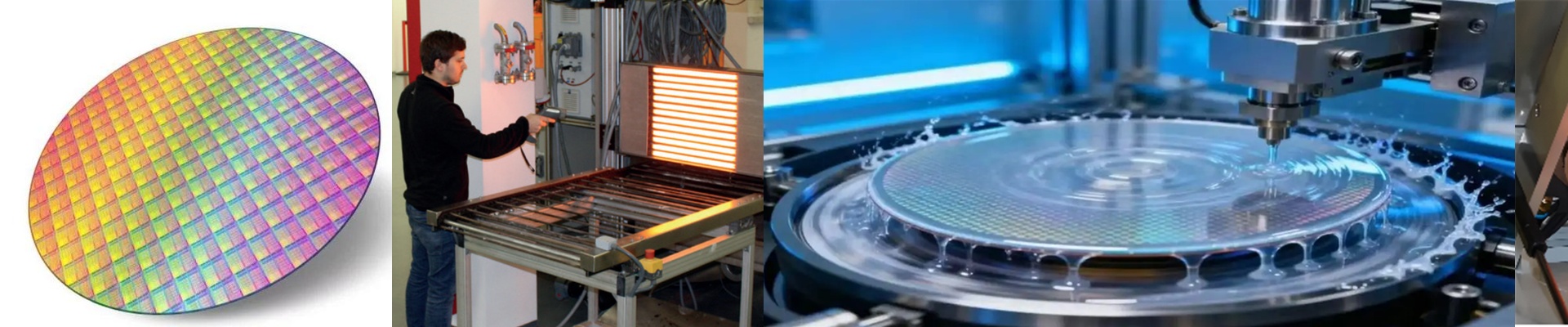
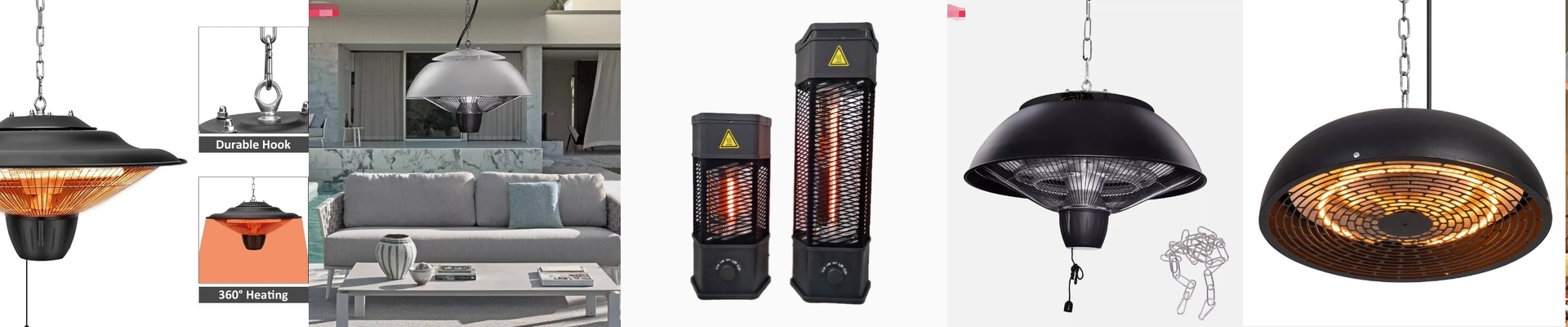
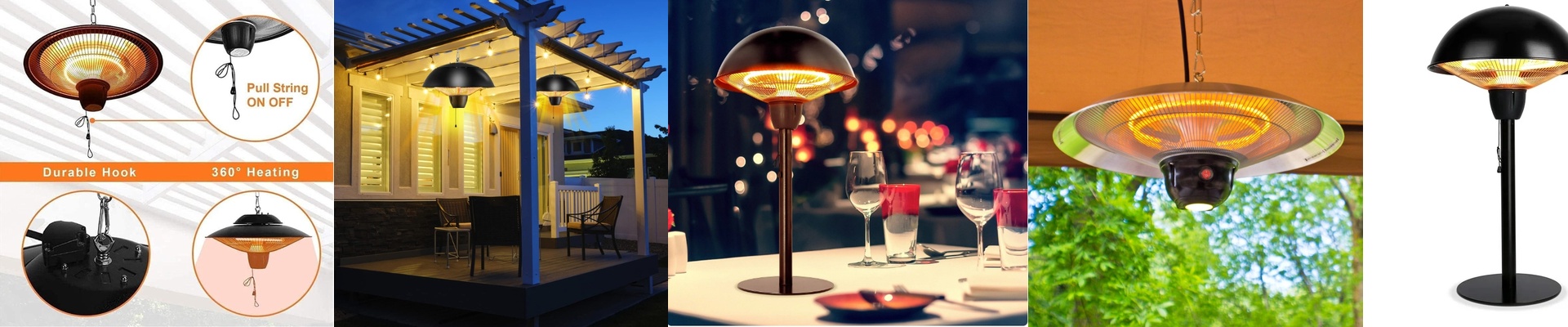
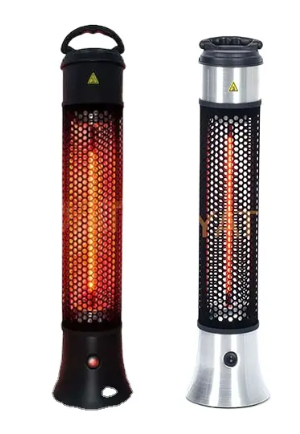
Most of us think of those bathroom heat lamps as just a way to stop shivering while we get dressed in the winter. But there’s actually something much cooler happening under the hood. Instead of just warming up the air, these lamps use short-wave infrared (IR) light. It sounds technical, but here is the simple version: it goes straight for the water.
Why your old heater isn’t cutting it
Standard heaters just blow warm air around. The problem? That warm, moist air often hits a cold tile wall or a chilly ceiling and turns right back into water. That’s how you get those annoying drips and damp spots. IR lamps work differently. They send out waves that penetrate the surface and get water molecules vibrating. It basically shakes the water right off your walls and towels, forcing it to evaporate way faster. When you get these installed, the heat hits the damp spots directly. Since mold needs a wet place to move in and start a colony, keeping your surfaces bone-dry basically starves the mold out. No dampness, no mold. It’s that simple.
A quick heads-up on installation
These lamps are designed to pack a punch. The heat is instant. You don’t have to stand around waiting for the room to “warm up”—you feel it the second you flip the switch. But, because they’re so powerful, you have to be careful where you put them. If you mount them too close to cheap plastic trim or low-grade PVC, you might actually warp or melt your fixtures. Just make sure you check the wattage and leave enough breathing room between the lamp and any plastic. Trust me, you don’t want a melted ceiling.
Keeping things fresh
Using these lamps takes a lot of the pressure off your exhaust fan. Plus, it gets rid of that lingering “damp basement” smell because water isn’t sitting in your grout lines for hours. My best advice? Run them during your shower and for a bit afterward. Get that moisture gone while the room is still hot, and you’ll have a much healthier space to wake up in.