
Getting the Heat Right in Bio-Sensor Fabrication
If you’re building bio-sensors, you know the drill: the temperature window is tiny. One wrong move and the whole batch is scrap. When you’re putting together a modern, connected Fab, you can’t afford to wait around. Standard convection ovens are just too sluggish. They heat the air, then the air heats the part. It’s a slow process. That’s why we stick with shortwave infrared (IR). It skips the middleman. The energy goes straight into the substrate, which means you get the heat where you actually need it, instantly.
The Reality of Rapid Heating
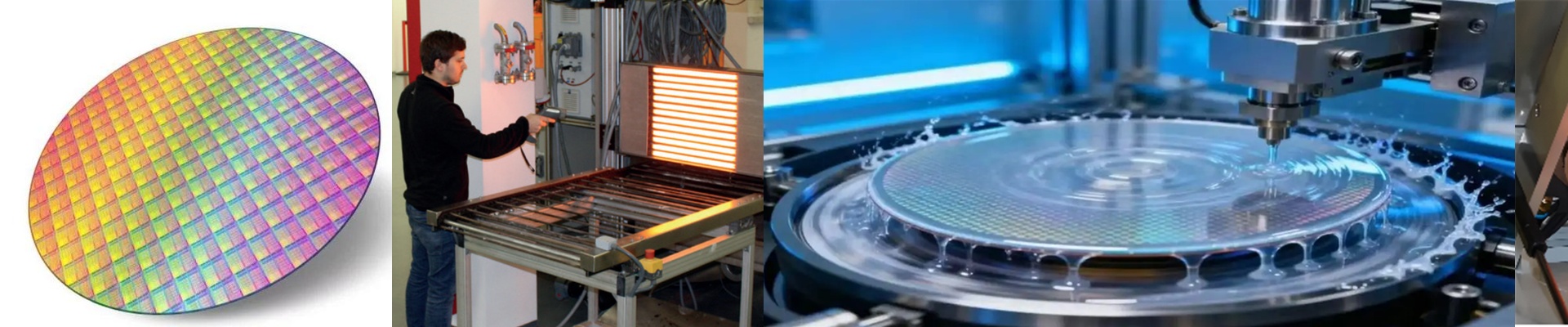
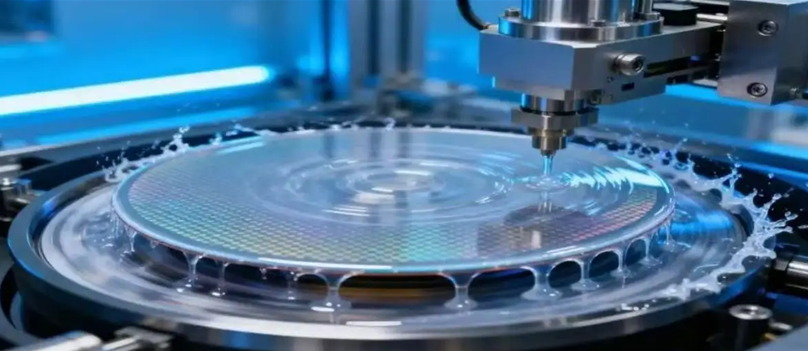
The goal here is simple: move faster without breaking things. IR lamps ramp up almost immediately. But here’s the tricky part—you need that heat to be perfectly even across the wafer. If one spot is hotter than the rest, you’re looking at warped materials or ruined chemicals. We spend a lot of time tweaking the wattage and voltage so the heat density actually matches what your specific materials can handle. Now, high-wattage tubes give you the punch you need for curing or sintering, but they’ve got a downside. They run hot. Like, really hot. If your cooling fans and heat sinks aren’t up to the task, you’ll burn through your lamps way faster than you should. It’s a balancing act.
Making the System “Smart”
We talk a lot about data these days, but in a Fab, data is only useful if it actually stops a mistake from happening. To make an IR system actually intelligent, we pair the lamps with pyrometers and closed-loop PID controllers. This means you aren’t guessing. You have a digital breadcrumb trail of the exact thermal history for every single batch that rolls through. We also design these things to be “drop-in.” I’ve seen too many maintenance teams spend hours rewiring a rack just to replace one dead lamp. We use standardized connectors so you can swap a part and get back to work in minutes. In a 24/7 operation, those minutes are everything. Plus, you can now map out exactly how the heat is spreading across your fabrication zone. If one area starts to dip, the system catches it and bumps up the power in real-time. No more crossing your fingers and hoping the cure worked. You just know it did.