

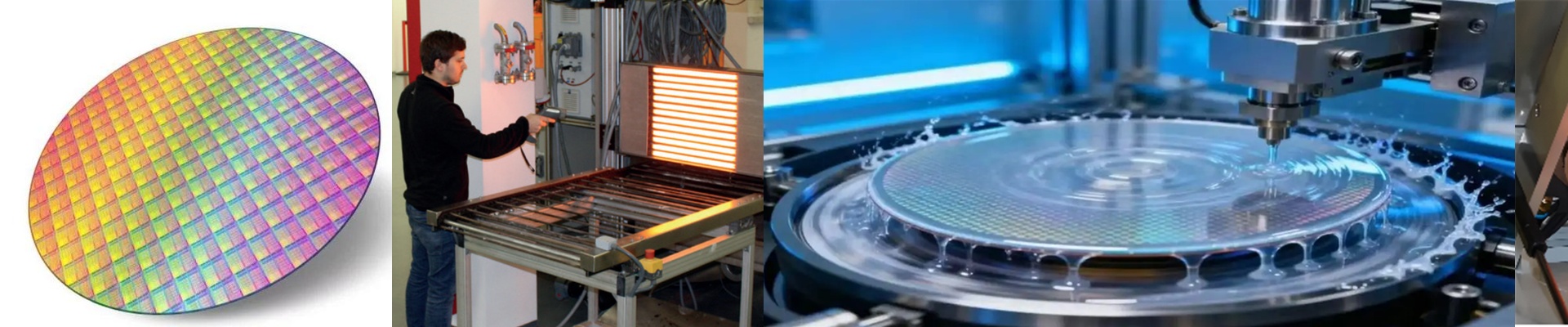
Why we switched to IR Heating for Bio-Sensors and Semis
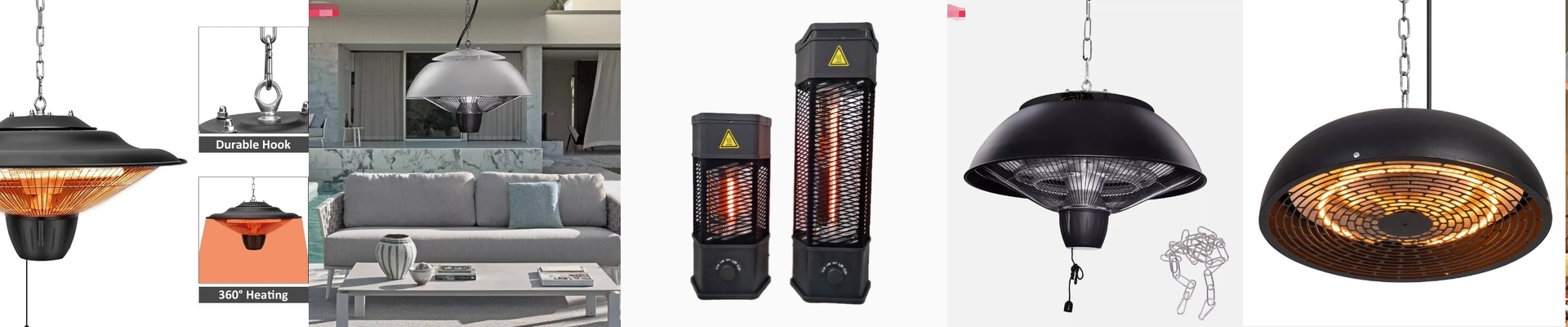
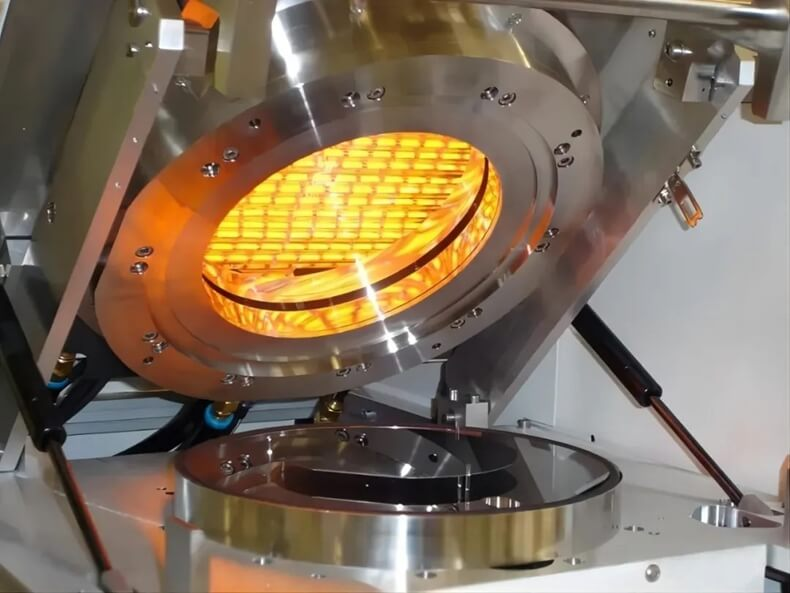
When you’re building bio-sensors, getting the heat exactly right is everything. You’ve got polymers to cure and biological layers that are, frankly, pretty temperamental. For a long time, everyone just used convection ovens. But here’s the problem: ovens spend half their time heating up the air and the walls of the chamber before the actual part even feels a thing. It’s a waste. That’s why we moved to infrared (IR) lamps. Instead of waiting for the air to get hot, IR shoots energy straight into the substrate. It’s direct. It’s efficient. Speed and Precision In the semiconductor world, “close enough” doesn’t cut it. We tune our IR lamps to hit specific wavelengths that the materials actually want to absorb. The result? Your ramp-up time goes from minutes to seconds. It’s fast. Really fast. And that changes everything for your throughput. We can cure those bio-functionalized surfaces in a flash without accidentally melting the chassis around them. The Nitty-Gritty of the Setup Most of our rigs use quartz-halogen tech. We love quartz because it handles the heat and doesn’t react with anything. To make sure we aren’t wasting a single watt, we line the reflectors with gold or aluminum to bounce every bit of heat right onto the wafer. One heads-up if you’re putting these into a high-volume line:**watch your power draw.**These high-density arrays pull a lot of current. If your electrical panels aren’t spec’d for that initial peak load, you’re going to be tripping breakers all morning. The Green Side of Things Switching from resistive heating to IR actually knocks a decent chunk off your kWh per wafer. The machines are smaller, too. Since you aren’t fighting to keep a massive volume of air hot, you don’t need heavy insulation or giant fans. That means your HVAC system doesn’t have to work nearly as hard to cool the room back down. But it’s not all magic. IR lamps eventually burn out. It’s just the nature of the beast. If you get lazy with maintenance, you’ll end up with “cold spots” on your sensors. That leads to failed batches and a pile of wasted raw materials. Keeping a strict replacement schedule is the only way to keep your scrap rates low and your footprint actually small.