
Moving Beyond the Oven: Using IR in Bio-Sensor Fabs
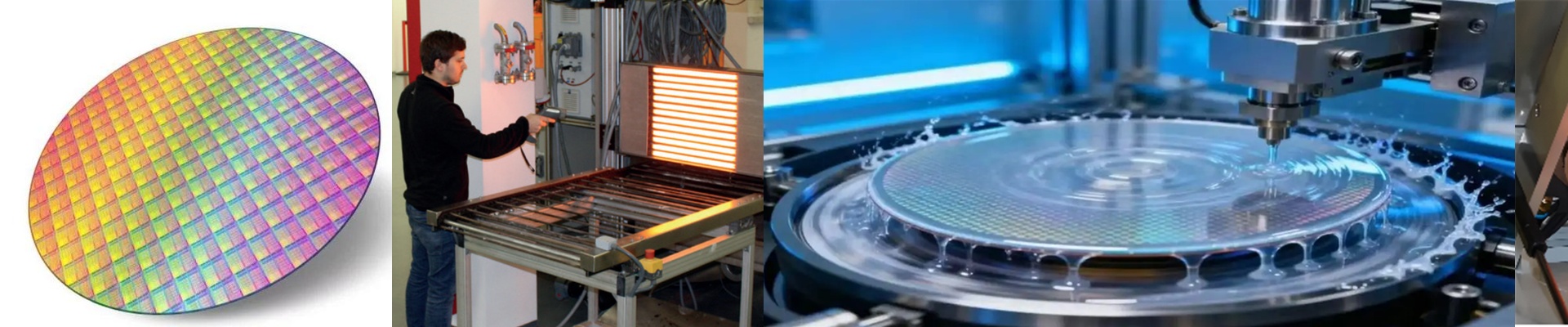
If you’re building a smart fab for bio-sensors, you’ve probably realized that those old-school convection ovens just don’t cut it anymore. They’re slow. They’re clunky. When you’re trying to run a digitized line, you need heat that actually listens to your PLC commands the moment you send them. That’s where infrared (IR) comes in. It’s fast. Really fast. And for those delicate curing and drying stages of your sensor membranes, that speed is everything.
The trick to getting the heat right
Here’s the thing about bio-sensors: they’re finicky. You’re dealing with thin films and organic coatings that will literally burn up if you push them too hard. We stick with short-wave IR emitters because they don’t waste time heating up the air around the part. They go straight for the substrate. It keeps the rest of your gear cooler and your footprint smaller. But you can’t just plug them in and hope for the best. You’ll want PID controllers and closed-loop feedback. This lets you tweak the wattage on the fly to match your conveyor speed. Every single sensor gets exactly the energy it needs—no more, no less.
The nitty-gritty on hardware
We usually go with quartz envelopes for the lamps to make sure the heat actually gets through. Depending on how your power grid is set up, you can wire these in series or parallel so you don’t deal with annoying voltage drops across a long line. Now, a word of caution. High-wattage tubes are great for cranking out volume, but they can be aggressive. If you aren’t careful, you’ll get hotspots that warp your bio-active layers. You’ll spend some time calibrating the distance between the lamp and the substrate, but it’s worth it to avoid ruining a batch.
Why this actually makes life easier
The best part? No more waiting for the heater to “warm up.” You flip the switch, and you’re at temperature in seconds. It turns your heating process into something “on-demand,” which means you stop burning electricity while the line is idle. Plus, it makes your layout way more flexible. If your sensor size changes, you just swap out the lamp banks. You don’t have to tear down and redesign your entire thermal chamber. It just works.