
Stop Cooking Your Equipment: A Better Way to Handle Heat
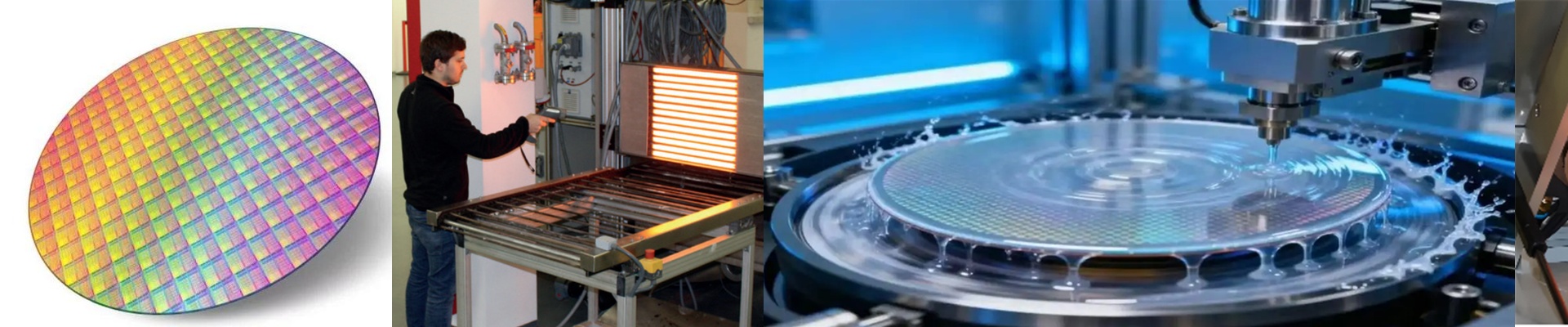
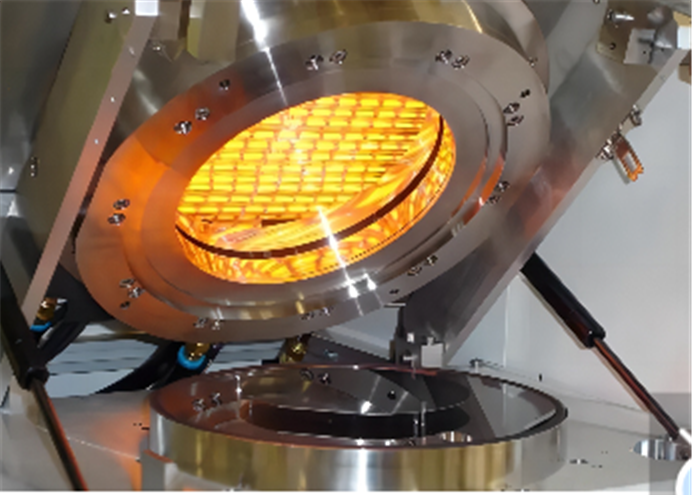
If you’ve ever worked with standard IR heaters, you know the struggle. They radiate heat in every single direction. When you cram those into a tight semiconductor housing, things get messy fast. You end up with inner walls that are scorching hot and electronics that are basically frying, all while your actual workpiece is still struggling to hit the right temperature. It’s frustrating. We deal with this by using directional carbon fiber infrared lamps. How it actually works Most people are used to tungsten, but carbon fiber is a different beast. We use a specific reflector and emitter setup that basically “pushes” the IR energy exactly where it needs to go. Instead of turning your entire machine chassis into an oven, the heat hits the target. This is a huge relief for the people on the floor—no more worrying about the equipment walls becoming a safety hazard. The nuts and bolts The best part? These lamps ramp up fast. You get a ton of heat density without needing the massive power draw you’d see with some halogen setups. But, a word of caution: keep an eye on your voltage. If your power supply spikes, you’ll burn out the filament. To keep things safe, we usually pair these with a precise PID controller. It stops the heat from overshooting and keeps things steady. Getting it on the shop floor When you’re wiring these into your fab gear, you can really shrink your footprint. Since the heat is directional, you can mount the lamps much closer to the substrate without roasting your surrounding sensors. You’ll notice the difference immediately. The ambient temperature inside the cabinet drops. Your cooling fans don’t have to scream at 100% all day, which takes a load off your facility’s HVAC. Plus, the inner walls actually stay cool to the touch. Just one thing:**keep those reflectors clean.**A bit of dust on the mirror kills the efficiency. Once that happens, the heat starts leaking back into the machine walls again, and you’re right back where you started.