
Why We’re Moving to Infrared Curing
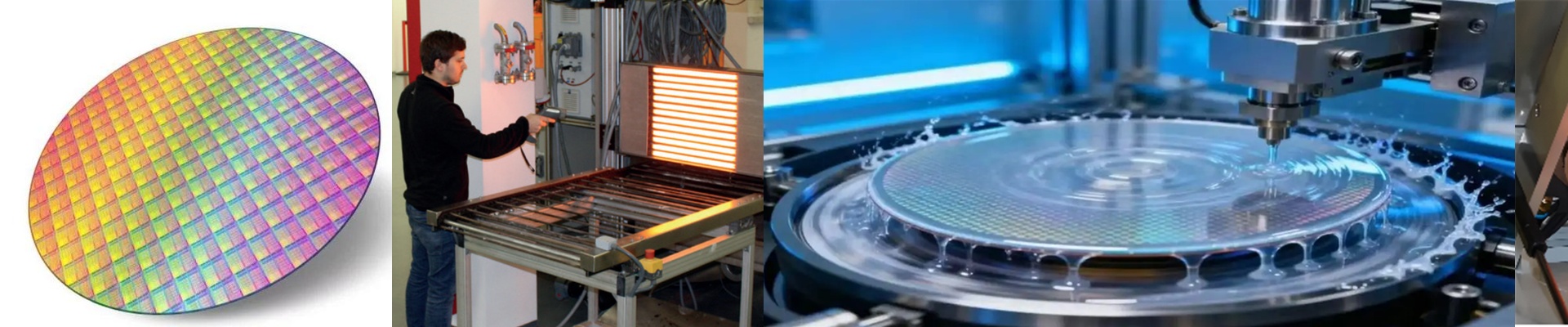
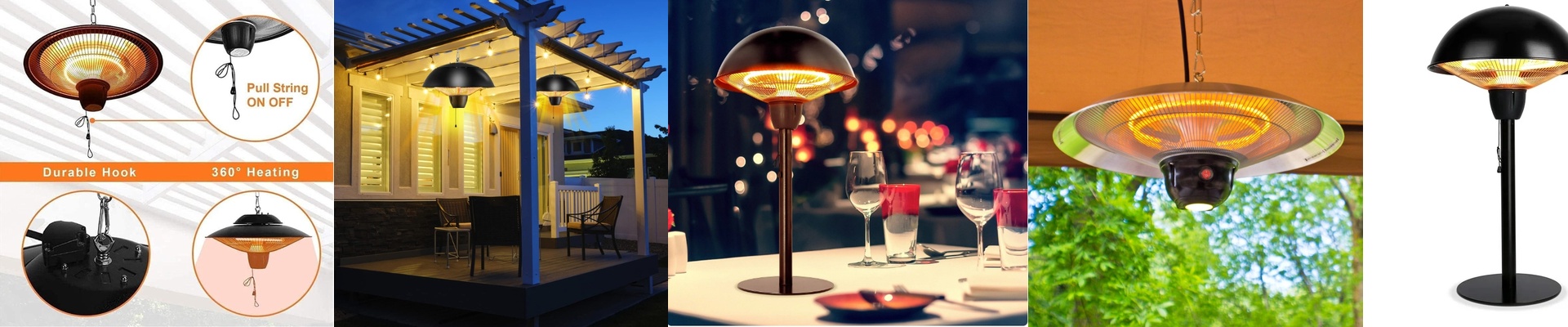
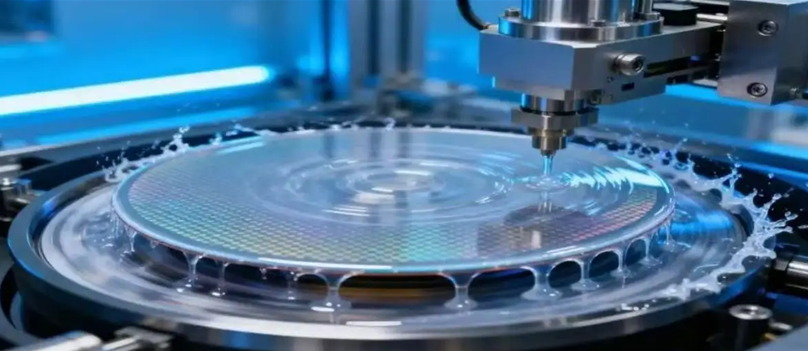
Ever tried to heat up a whole room just to warm up a single cup of coffee? That’s basically what old-school convection ovens do in semiconductor plants. They heat the air, and then the air heats the wafer. It’s slow, it’s clumsy, and it’s a waste of energy. Our UHP (Ultra High Purity) lamps do things differently. They use short-wave infrared radiation to beam energy directly into the material. No middleman. No waiting for the air to get hot. It’s a total shift in how we handle curing, and it’s why so many shops are ditching those massive thermal tunnels. Cleaning up the process For a long time, getting things to dry or cure meant relying on nasty chemical solvents or heavy-metal catalysts. They worked, but they off-gassed fumes that nobody wants in their lungs. We built these lamps to hit a precise temperature the second you need it. Because the heat is so controlled, you don’t have to worry about scorching your substrates. That means you can stop using those hazardous stabilizers. No VOCs, no lead, just a clean process that doesn’t make the environmental team nervous. Power and Performance Here is the best part: IR curing works on demand. You flip a switch, and you’re at full power in milliseconds. Compare that to a convection system that spends hours just warming up. You’re only heating the product, which means your energy bill actually looks reasonable. To keep things pristine, we use high-purity quartz envelopes. We do this so no metallic ions drift off and ruin your wafers. Now, a quick heads-up: these lamps pack a punch. The power density is high, so make sure your transformers can handle that initial surge. You don’t want to be the person tripping the breakers every time you ramp up production. The “Easy” Factor Nobody likes a weekend spent rebuilding a jig. That’s why we designed these for a simple drop-in replacement. We kept the tolerances tight so you can swap a burnt-out lamp and get back to work immediately. Plus, since the heat is radiant, the rest of your machine chassis stays relatively cool. Your seals don’t bake, your wiring doesn’t get brittle, and your equipment lasts longer. You spend less time on tedious teardowns and more time actually shipping wafers.