
Stopping the Mess: Dealing with Lamp Blowouts in Wafer Curing
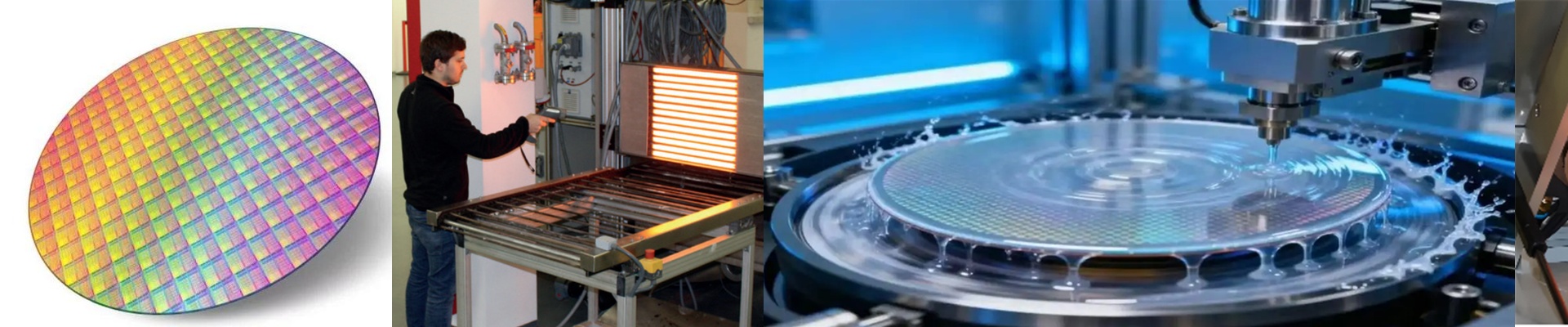
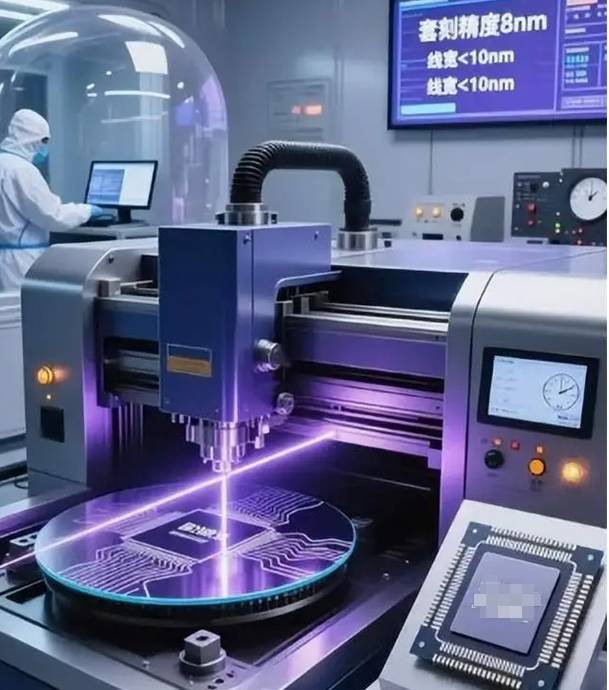
Let’s be honest: when a lamp blows in a high-load curing system, it’s a nightmare. It isn’t just about the downtime or the annoying alarm. It’s the mess. When a quartz tube bursts, you’ve got glass shards and halogen gas raining down directly onto your wafers. It’s a contamination disaster waiting to happen. That’s why we built our reflector assemblies to act as a physical safety net.
How the shield actually works
Most people think reflectors are just there to bounce IR radiation back onto the substrate. Sure, they do that. But we designed ours to be a trap for debris. We use a deep-dish parabolic shape and a tight perimeter seal. Think of it like a catchment basin. If a tube cracks under thermal stress or just gives up the ghost, the fragments stay put inside the housing. They don’t migrate into the curing chamber, which means your wafers stay clean.
The materials (and the catch)
We stick with high-purity aluminum and a specific reflective coating to get the most out of that short-wave IR. The goal here is to give you the heat density you need without having to “over-drive” the lamp. Pushing a lamp too hard is usually what kills it in the first place. But here’s the thing: you’ve got to keep an eye on your airflow. If the housing gets too hot, that coating can start to degrade, and your output will tank. It’s all about balance.
Keeping things simple
We hate tedious maintenance as much as you do. So, we made these for quick swaps. You can pull the lamp and the reflector out as one single module. It’s fast. Plus, it means you aren’t accidentally introducing random particles into the system while you’re tinkering with it. Just a heads-up: no shield is 100% airtight. We stop the bulk of the debris, but you still need a solid vacuum or purge system to handle the gas from a failed tube. One last tip? Check your reflector alignment every 500 hours. It prevents those annoying hot spots that put unnecessary stress on the quartz.