
Keeping Your Class 100 Cleanroom Actually Clean
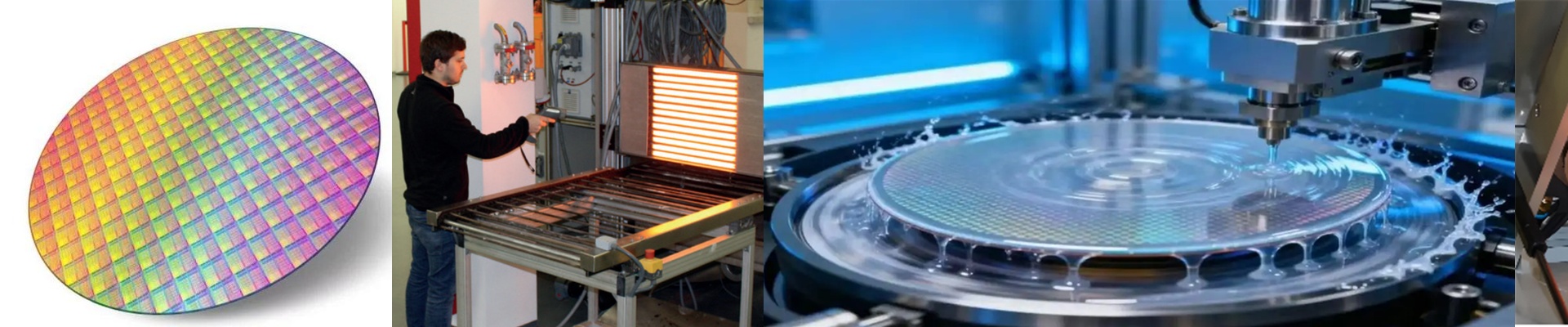
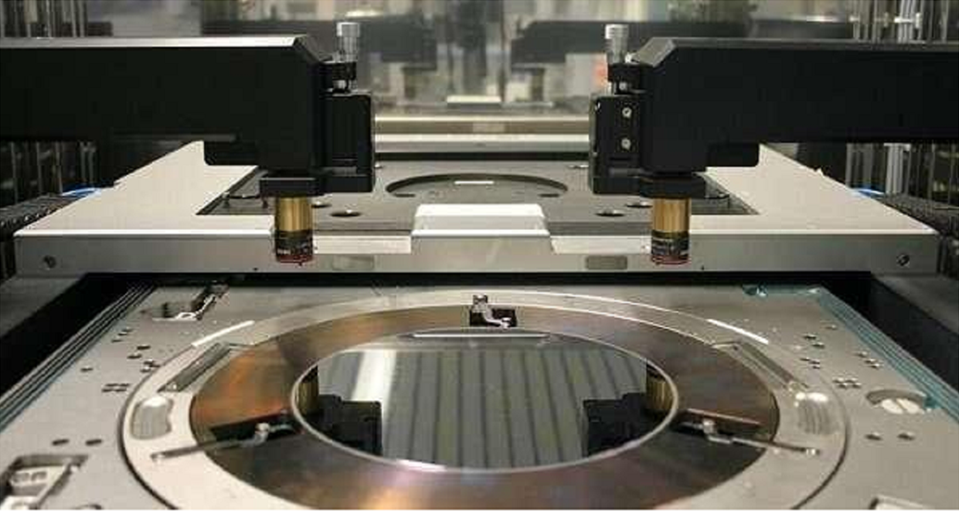
If you’re heating silicon wafers in a Class 100 environment, you already know the nightmare. One tiny flake of debris or a bit of outgassing, and your entire batch is trash. It’s frustrating. Most standard heating elements just aren’t built for this—they flake, they shed, and they ruin your yield. That’s why we stick with high-purity synthetic quartz for our IR lamps. Why the quartz matters We use fused silica. It’s incredibly pure, which means you don’t have to worry about metallic ions leaking out when things get hot. Standard glass or the cheap stuff just can’t handle the thermal stress; it breaks down. Our material stays solid. It lets that short-wave IR radiation hit the wafer surface directly. You get the heat you need, and the lamp stays out of the way. No contamination. No headaches. Getting the distance right The gap between your lamp and the wafer is where things get tricky. If it’s too close? You’re looking at hot spots or, even worse, physical contact. Too far? You lose your heat density and everything slows down. We spend a lot of time calibrating the focal length so the heat spreads evenly across the whole wafer. But here’s the thing: keep an eye on your power density. High-wattage lamps pump out a ton of energy. That’s great for speed, but it puts a massive load on your HVAC. If you’re cranking up the wattage to shave time off your cycles, just make sure your cooling manifolds can actually pull that heat away. You don’t want your sensitive electronics baking in the background. The nuts and bolts of setup We made these lamps easy to swap. When a part needs replacing, you want to get back up and running fast. We also tightened up the connections to stop vibrations from shaking loose any particulates. But remember, the lamp is only half the battle. Check your mounting brackets. If they’re using paint that flakes off into the process chamber, the purest quartz in the world won’t save your batch. Keep the supports non-shedding and you’re golden.